
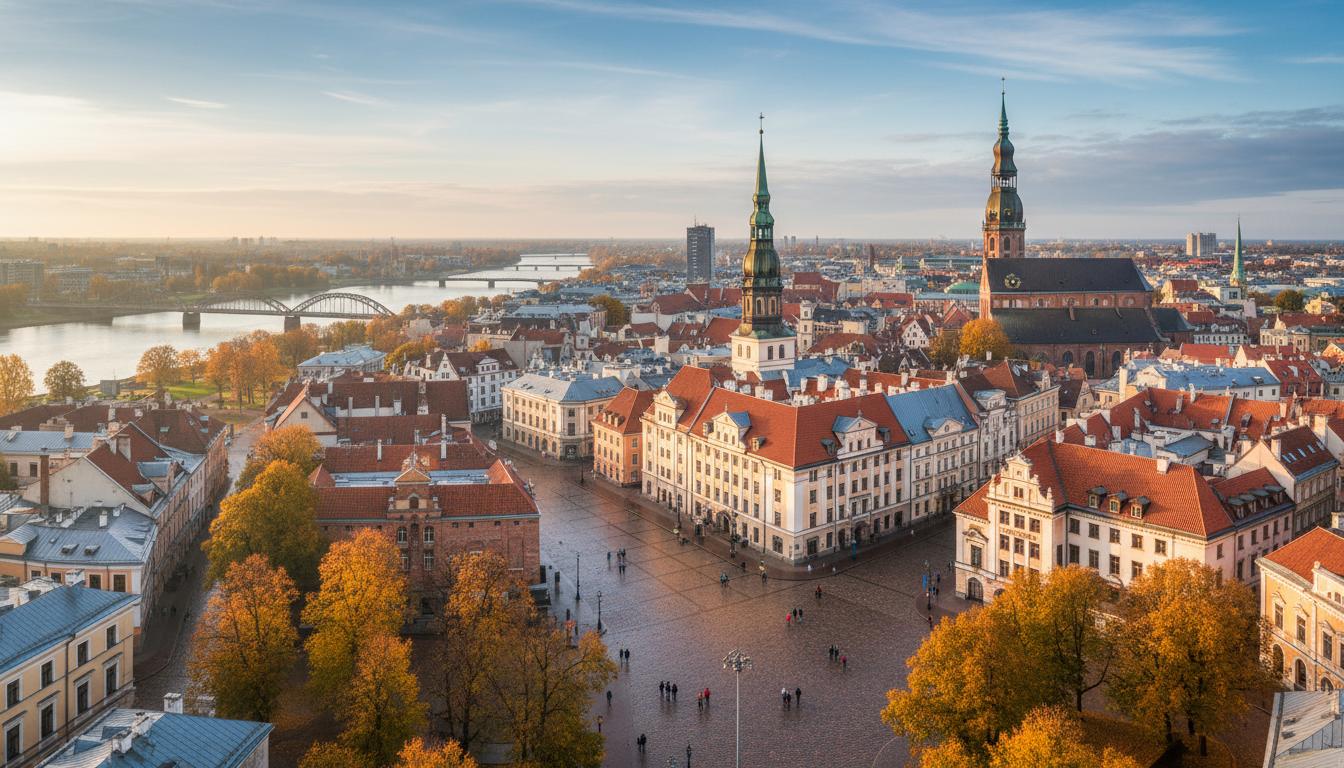
Thinking about Latvia? Good call. This small, modern Baltic country has a habit of surprising visitors and rewarding those who go beyond the headlines. For Canadians, Latvia is an easy first step into Northern Europe—compact, welcoming, and connected—yet it has its own language, deep musical traditions, pine-fringed beaches, and a capital city with more Art Nouveau façades than almost anywhere on earth. This guide is designed for a Canadian audience and goes further than a typical travel article. You’ll find step-by-step travel advice, money-saving tips, seasonal planning, safety and driving rules, university options, work and business routes, cultural etiquette, and real-world comparisons to life in Canada. If you’re curious about how to make the most of Latvia—whether for a week, a semester, or a relocation—read on.
Why Latvia Should Be on Your Canadian Shortlist
Latvia sits on the Baltic Sea between Lithuania and Estonia, with Russia to the east and Belarus to the southeast. It’s part of the European Union, the Eurozone, Schengen, NATO, and the OECD. That string of acronyms matters: it means stable institutions, free movement within much of Europe, and recognizable standards for things like consumer protection, product labels, and data privacy.
Latvia isn’t big—about the size of New Brunswick—but it packs in a lot: dune-backed beaches on the Gulf of Riga, river valleys cut through sandstone, quiet fishing villages, wetlands dotted with wooden boardwalks, and a capital that can keep a culture lover busy for days. It’s also unusually musical. Every five years, tens of thousands of singers and dancers fill stadiums for the nationwide Song and Dance Festival, a Unesco-recognized tradition that Latvians speak about with a level of pride Canadians reserve for hockey golds.
Latvia at a Glance
- Capital and largest city: Riga (population of the country roughly 1.9 million)
- Official language: Latvian (English widely spoken in cities and in the tourism sector; Russian is commonly understood)
- Currency: Euro (EUR)
- Time zone: Eastern European Time (EET), UTC+2; summer daylight savings (EEST, UTC+3)
- Electrical: 230V, 50Hz, Type C/F plugs (Canadians need an adapter; check your devices are dual-voltage)
- Emergency number: 112 (for police, fire, ambulance)
Latvia regained independence in 1991 after five decades of occupations during the Second World War and the Cold War. It joined the EU and NATO in 2004, adopted the euro in 2014, and moved quickly into the digital age with widespread online government services. Riga’s skyline shows off the layers: Hanseatic-era spires, 19th-century boulevards, flamboyant Art Nouveau apartment blocks, and crisp glass towers on the Daugava River.
Getting There from Canada
There are no direct flights from Canada to Latvia at the time of writing. That’s not a problem. Riga connects easily via European hubs, and total travel time from Toronto or Montreal generally runs 10–12 hours in the air plus connections. From Western Canada, add a few more hours.
Typical Flight Routes and Durations
- From Toronto or Montreal: Connect through Frankfurt (Lufthansa), Amsterdam (KLM), London (British Airways), Helsinki (Finnair), Copenhagen (SAS), Warsaw (LOT), or Paris (Air France). airBaltic, Latvia’s flag carrier, often operates the final leg.
- From Vancouver, Calgary, Edmonton: Connect first to Toronto/Montreal or a U.S. hub, then onward via the cities above.
- From Ottawa, Quebec City, Halifax: Routings typically go via Toronto/Montreal or a European hub.
Pay attention to layover airports. Schengen immigration is usually handled at your first EU entry point (Frankfurt, Amsterdam, Paris, etc.), not in Riga. If you like a no-fuss experience, choose hubs with efficient transfers and plenty of flights to Riga.
Entry Rules for Canadians
Canadians can travel to Latvia visa-free for up to 90 days within any 180-day period for tourism, family visits, or short business trips. Your passport must be valid for at least three months beyond your planned departure from the Schengen Area. Always keep a copy of your return ticket and proof of accommodation; border officers can ask for them.
Europe is developing a pre-travel authorization system called ETIAS. Implementation timelines have shifted more than once. Before you book, check the Government of Canada’s travel advisory and the official EU ETIAS website to confirm current requirements. Regardless of paperwork, comprehensive travel medical insurance is strongly recommended for Canadians visiting Latvia; the provincial health card will not cover your bills abroad.
How Much Does a Trip to Latvia Cost?
Costs are lower than in most Nordic countries and many Western European capitals. For Canadians used to Toronto or Vancouver prices, Riga often feels refreshingly affordable. Here’s a straightforward snapshot. Exchange rates move, so treat CAD amounts as approximate.
| Item | Budget (EUR) | Mid-range (EUR) | Comfort/Business (EUR) | Approx CAD (at 1 EUR ≈ 1.45 CAD) |
|---|---|---|---|---|
| Hotel (per night, double) | 45–80 | 80–150 | 150–300+ | 65–435+ |
| Simple restaurant meal | 8–15 | 15–30 | 30–60+ | 12–87+ |
| Cappuccino | 2.5–3.5 | — | — | 3.5–5 |
| Transit ticket (Riga, single) | 1.5–2 | — | — | 2–3 |
| Museum admission | 4–12 | — | — | 6–17 |
| Car rental (per day) | 30–60 | 60–90 | 90–130 | 45–190 |
Latvia still rewards those who plan. Book ahead for high season (June–August), especially weekends in Riga and beach days in Jūrmala. Shoulder seasons—May, September, and early October—offer lower prices, fewer crowds, and still-pleasant weather.
When to Go: Seasons and Festivals
Summer brings long daylight, café patios, open-air concerts, and high chances of beach weather. Locals celebrate Jāņi (Midsummer) on June 23–24 with bonfires, songs, and caraway-studded cheese. If you love folk culture, it’s hard to beat, though book early—accommodation can sell out around the holiday.
Spring (late April–May) wakes up the parks and forests. Autumn (September–October) is crisp, with gold birch leaves and excellent mushroom foraging—ask locals about safe species if you’re new to it. Winter offers quiet museums, frozen bogs with boardwalks, and occasional snow in Riga; dress for wind and ice. If you’re a hockey fan—and many Canadians are—the domestic season and IIHF events add a fun sports layer. Latvia captured bronze at the 2023 World Championship, and the national team’s home games have a terrific atmosphere.
Sample Itineraries That Actually Work
Short trip? Go deep, not wide. Latvia’s pleasures are often local: a morning at the market, a tram ride to a leafy neighbourhood, a walk along a river trail. Here are no-fluff, time-efficient routes.
48 Hours in Riga
- Day 1: Start in the Central Market (housed in former zeppelin hangars) for coffee, pastries, and a look at local produce. Cross to Old Riga for the cathedral and the spire views, then head to the Art Nouveau district (Alberta iela) and the Art Nouveau Museum. Late afternoon on the Daugava riverbank at AB dambis for skyline photos. Dinner in a modern Latvian bistro—think rye bread, smoked fish, beetroot, dill, and a splash of Riga Black Balsam.
- Day 2: Explore the Latvian National Museum of Art or the Museum of the Occupation of Latvia for historical context. Ride a tram to Mežaparks for forest paths. If it’s summer, hop a train to Jūrmala for a sunset beach walk. Back in Riga, end with a small jazz bar or a craft brewery—Latvia’s beer scene is surprisingly diverse.
Five Days: Riga Plus Nature
- Days 1–2: Riga highlights as above.
- Day 3: Day trip to Sigulda and Cēsis in Gauja National Park. Castles, caves, and cliffside trails. Easy by train and bus, even easier with a rental car.
- Day 4: Ķemeri National Park’s Great Bog Boardwalk and Jūrmala beaches. Birdwatchers love Cape Kolka; photographers love the dawn mist over the bog.
- Day 5: Kuldīga’s old town (a UNESCO World Heritage site) and Ventas Rumba, Europe’s widest waterfall by width, in western Latvia.
A Week: The Full Circuit
- Riga – Jūrmala – Kurzeme coast (Kolka, Mazirbe) – Kuldīga – Liepāja (naval history and a lovely beach) – Jelgava (palace) – Cēsis – Sigulda – back to Riga. You’ll cover beaches, forests, river valleys, and classic towns with time to breathe and enjoy the food scene.
Getting Around Latvia Without Wasting Time
Riga’s public transport is clean and straightforward. Trams, trolleybuses, and buses use a contactless e-ticket system available from kiosks and some shops. Single tickets are cheapest when purchased ahead, not on board. For city-to-city travel, trains and buses are reliable; driving unlocks more nature reserves.
- Riga City Transit: Validate your ticket when boarding. Inspectors do patrol; fines are not worth the risk.
- Airport to City: Bus 22 connects Riga Airport to central Riga in roughly 30–35 minutes. Taxis and ride-hailing (Bolt is common) are also available; check the price estimate in the app.
- Regional Trips: Trains run to Sigulda, Cēsis, Jelgava, Tukums, and Jūrmala. Intercity buses fill the gaps and reach most towns.
- Driving: Roads are generally good. Rural routes can be narrow and unlit. Deer and elk crossings are real, especially at dawn and dusk.
One quirky note: there’s a seasonal vehicle entry fee to Jūrmala (the seaside resort west of Riga). It’s small and paid via ticket machines or online during the designated months. Cyclists, pedestrians, and trains skip it entirely.
Driving in Latvia: What Canadians Need to Know
If you plan to rent a car, bring your Canadian driver’s licence and consider an International Driving Permit (IDP). Many rental companies accept a Canadian licence alone for short visits, but an IDP translates your details and avoids debates at the counter. Latvia drives on the right. Headlights must be on at all times, day and night. Winter tires are mandatory for light vehicles roughly from December 1 to March 1, and studded tires are allowed within defined seasonal windows—confirm with your rental provider.
- Speed limits: Typically 50 km/h in towns, 90 km/h on rural roads, and up to 100–110 km/h on certain dual carriageways in summer. Watch the signs; speed cameras are common.
- Alcohol: The legal blood alcohol limit is low compared to Canada. Don’t drink and drive. Penalties are steep, and enforcement is real.
- Documents: Keep your passport, licence, rental contract, and insurance paperwork in the car. Police may ask to see them during roadside checks.
Health, Safety, and Common-Sense Tips
Latvia is generally safe. Petty theft happens in crowded places, as it does in any city. Keep an eye on bags at markets and in Old Riga. At night, stay on lit streets and use reputable taxis or ride-hailing. The emergency number is 112; operators can connect you to police, fire, or ambulance services.
Healthcare is modern and improving quickly. Public hospitals handle emergencies; private clinics often have shorter waits and English-speaking staff. Canadians should carry travel medical insurance that includes emergency care, evacuation, and coverage for winter sports if you plan to ski or skate.
Pharmacies are marked “aptieka.” Many medications that require a prescription in Canada also require one in Latvia. Bring enough of your regular prescriptions in original packaging, plus a copy of your prescription and generic drug names.
Money and Payments
Latvia uses the euro. Cards and contactless payments are widely accepted in cities, including small cafés and taxis. ATMs are common; choose “without conversion” if the machine offers to charge you in Canadian dollars at a lousy rate. Keep a bit of cash for markets or very small vendors in rural areas.
VAT is 21% on most goods and services. As a non-EU visitor, you may be able to claim a VAT refund on eligible purchases if you take the goods home unused and meet minimum thresholds through participating “Tax Free” retailers. Ask at the shop for the paperwork and allow extra time at the airport to get your forms validated before check-in.
Mobile and Internet
Coverage is excellent across much of the country. Major operators include LMT, Tele2, and Bite. Prepaid SIMs and eSIMs are inexpensive and easy to buy with a passport. Expect generous data at prices far below typical Canadian plans. Public Wi‑Fi is common in cafés and hotels, and many museums and stations offer free access.
What to See and Do in Latvia
Riga: Art Nouveau, River Light, and a Food Renaissance
Riga bears traces of every era. Old Riga’s cobbled lanes funnel you toward cathedral spires and merchant houses; the 19th-century boulevard ring wraps around parks and canals; and north of the centre, whole streets burst with Art Nouveau: sculpted faces, floral motifs, peacocks, and mythic creatures. Architects Mikhail Eisenstein and Konstantīns Pēkšēns created façades so theatrical they’ve become a visual brand for the city.
Food has taken off. You’ll find everything from traditional rye bread and smoked sprats to modern plates built around seasonal produce, forest mushrooms, lake fish, and berries. Latvia’s bakers take sourdough seriously. Coffee culture is strong. If you enjoy a nightcap, Riga Black Balsam—a bittersweet herbal liqueur—has been made here since the 18th century. It’s not shy, but locals swear by it on cold nights.
Jūrmala and the Coast
Jūrmala is Riga’s summer backyard: a line of pale sand and wooden villas only 30 minutes by train. The vibe shifts quickly as you continue west into Kurzeme, where forests open to quiet beaches and wind-bent pines. Cape Kolka is where the Gulf of Riga meets the open Baltic. On some days, you can watch waves colliding from different directions—a simple, hypnotic show.
Gauja National Park: Castles, Trails, and Caves
Latvia’s first national park is an easy day trip or a few nights if you like the outdoors. Sigulda and Cēsis anchor the region with medieval castles, cable cars over the Gauja River, sandstone outcrops, and kilometres of marked trails. In autumn, the hills glow. In winter, cross-country skiing tracks lace the forests.
Kuldīga and Western Latvia
Kuldīga’s old town has timber buildings, creaking bridges, and a slow river wrapped around the centre. The town won recognition for preserving its historic fabric, and it’s set to draw more visitors in the coming years. Not far away, Ventas Rumba is a long, shallow waterfall that locals wade in during summer. Liepāja mixes beach life with industrial heritage and a few standout concert halls.
Eastern Latvia: Lakes and Latgale
Latgale, near the borders with Belarus and Russia, is lake country with a distinctive culture and its own dialect. Pottery is a hallmark. Church spires dot the skyline. It’s the place to slow down, rent a cottage on the water, and watch mist rise at dawn.
Food, Drink, and Dining Etiquette
Latvian food leans on rye, dairy, fish, potatoes, dill, and forest finds. Classics include grey peas with bacon, cabbage stews, smoked river fish, and sklandrausis (a sweet carrot-and-rye tart) from the Kurzeme region. Modern chefs take those building blocks and play—ferments, foraged herbs, and light broths appear often.
- Dietary needs: Vegetarian options are common in cities; fully vegan menus are expanding. Gluten-free diners should ask specifically about rye and wheat thickeners in soups or sauces.
- Restaurant etiquette: Book for weekend dinners in Riga. Tipping is appreciated but not mandatory; 5–10% is customary for good service. Service charges may be included—check the bill.
- Markets: Riga Central Market is a daily treat. Pick up berries in summer, smoked fish year-round, and fresh cheeses. Vendors are friendly; many speak English or will meet you halfway.
Culture, Customs, and How to Fit In
Latvians often come across as reserved at first meeting, then warm once the ice breaks. Small talk is brief; punctuality counts. Titles and surnames are common in formal settings, but first names come quickly in casual circles or startups. Don’t mistake a quiet start for disinterest—people are listening.
- Gifts: For a home visit, bring flowers (odd numbers), chocolates, or something Canadian like maple syrup. Avoid overly expensive gifts.
- Shoes off: Many homes expect it. You’ll often see a basket of slippers by the door.
- Language: Learning a few Latvian words—labdien (good day), paldies (thank you)—goes a long way. English is widely spoken in Riga, less so in rural areas and among older generations.
- LGBTQ: Progress has accelerated in recent years, particularly in Riga, though full marriage equality is not in place. Pride events occur, and anti-discrimination norms are increasingly visible in business and culture.
Studying in Latvia: Options for Canadians
Latvia offers increasingly competitive university programs in English at reasonable tuition levels, especially in fields like medicine, dentistry, IT, engineering, business, and logistics. For Canadians, a degree from an EU institution can mean easier mobility for internships and research across Europe.
Universities to Know
- University of Latvia (Riga): Broad programs in sciences, humanities, and social sciences.
- Riga Technical University: Engineering, IT, and architecture with many English-taught courses.
- Rīga Stradiņš University: Strong in medicine, pharmacy, public health, and dentistry, with sizeable international cohorts.
- Stockholm School of Economics in Riga: Bachelor and executive education focused on economics and business (taught in English).
Application timelines typically run from late winter into spring for autumn intake. Expect to submit transcripts, proof of English proficiency (IELTS/TOEFL or equivalent), a passport, and sometimes entrance exams or interviews depending on the program.
Tuition, Living Costs, and Practicalities
Tuition varies widely by program. Medicine and dentistry sit at the top tier; business and engineering are lower. As a rough orientation, plan for several thousand to low tens of thousands of euros per year depending on the faculty. Living costs in Riga are manageable compared to big Canadian cities: student housing or shared apartments can keep monthly budgets reasonable.
- Housing: University residences exist but are limited. Many students rent rooms or shared flats near campuses. Commutes under 30 minutes are common.
- Transit: Monthly student passes offer deep discounts on Riga public transport.
- Healthcare: Students should carry private health insurance that meets visa requirements. Some universities arrange group plans.
Visas and Staying After Graduation
Non-EU students generally apply for a long-stay visa and then for a temporary residence permit. Paperwork goes through Latvia’s Office of Citizenship and Migration Affairs (often referred to locally by its Latvian acronym). After completing studies, graduates may be able to extend their stay to seek work—rules evolve, so confirm the latest conditions and job-offer requirements before planning your post-study timeline.
Working and Living in Latvia
If you’re considering moving from Canada to Latvia for work or lifestyle, think clearly about language, job market fit, and immigration rules. There is real opportunity, especially in tech, shared services, logistics, and engineering, but the market is smaller than in Canada.
Routes to Live and Work
- Employer-sponsored permits: The most straightforward path. A Latvian employer sponsors your work and residence permit for a defined role.
- EU Blue Card: For highly qualified professionals with higher salaries and credentials, offering mobility benefits within the EU.
- Startup and investor pathways: Latvia has encouraged startup founders with specific visa options; criteria include business plans and investment thresholds.
- Family reunification: Applies if you have immediate family with legal status in Latvia.
- Remote work: Latvia doesn’t market a classic “digital nomad” visa the way some countries do. If you plan to work remotely from Latvia for a Canadian employer, clarify your legal status first; short tourist stays don’t convert to work rights.
For any long-stay plan, start early. Documentation can include apostilled diplomas, police checks, employment contracts, and proof of accommodation and income. Timeframes vary from weeks to a few months. When in doubt, contact the Latvian embassy or consulate that serves your province.
Jobs and Languages
Riga hosts a growing set of shared service centres and tech firms—think software engineering, QA, cybersecurity, product management, and customer support in multiple languages. English is common in international teams; Latvian is essential for many public-facing roles. Russian is useful in some sectors, though knowledge of Latvian remains the legal and practical baseline for most local employment and government interaction.
Taxes and Social Insurance: The Canadian Angle
Tax residency in Latvia is typically based on time spent in-country (the “183-day” rule) and ties such as permanent home. Latvia and Canada have a double taxation agreement designed to prevent you from being taxed on the same income twice. In practice, details matter: your residency status, the nature of your income, and social security contributions. If you’re working for a Latvian employer, you’ll be in the local payroll system with income tax and social contributions withheld at source. If you’re self-employed or remote with Canadian income, get local and Canadian tax advice before you move.
Housing and Cost of Living Compared to Canada
Riga’s rent levels vary by neighbourhood and renovation quality. A one-bedroom in a central district might range from roughly 500–1,000 EUR per month; outside the core, prices drop. Utilities add a few hundred euros monthly in winter for heating and electricity, less in summer. Groceries tend to be cheaper than in Canada, especially local produce and dairy. Eating out is generally more affordable than in major Canadian cities, with excellent mid-range options.
- Neighbourhoods: Centre and Quiet Centre (for Art Nouveau apartments), Āgenskalns and Kalnciema (leafy left bank), Mežaparks (green and upscale), Teika (residential with good transit).
- Finding a flat: Local portals and agencies dominate the market. Furnished rentals are common; read contracts carefully—deposit norms and utility arrangements differ from Canadian standards.
Banking, Healthcare, and Daily Life
Major banks include Swedbank, SEB, and Citadele. Opening an account as a non-resident can be time-consuming due to EU anti-money laundering rules; many newcomers start with an employer’s assistance or use international fintechs until residency is in hand.
Healthcare for residents combines public coverage with optional private insurance. You register with a family doctor for referrals. Wait times in the public system can be longer, so many expatriates carry supplemental private plans for faster specialist access.
Doing Business and Trade: Latvia as Your Baltic Base
If you’re a Canadian company eyeing Northern Europe, Latvia’s value proposition is straightforward: a skilled, multilingual workforce; location between the Nordics and Central Europe; ports on the Baltic Sea; competitive costs; and an open, digital-first business culture. Add the Canada–EU Comprehensive Economic and Trade Agreement (CETA), and you’re looking at reduced tariffs and clearer market access across the EU, including Latvia.
CETA Basics for Canadian Exporters
- Tariffs: Many industrial and consumer goods enjoy zero or reduced tariffs when rules of origin are met.
- Services: Improved access and transparency in sectors like engineering, IT, and professional services.
- Public procurement: Opportunities to bid on certain Latvian and EU public tenders—check thresholds and language requirements.
Practical tip: Prepare origin documentation and keep supply-chain records clean. Latvian customs and EU authorities expect the same standard of paperwork you’d see in other member states. The Trade Commissioner Service (TCS) and Export Development Canada (EDC) can help you validate market fit and risk coverage.
Where Canadian Companies Fit
- ICT and cybersecurity: Latvia has a deep bench of developers and QA testers, with competitive salaries and strong English in tech teams.
- Logistics and e-commerce fulfillment: Baltic hubs serve the Nordics, Germany, and Poland with short transit times.
- Green building and wood products: Latvia is heavily forested and has advanced timber industries; Canadian expertise pairs well.
- Agri-food and specialty products: Niche Canadian brands can find space in boutique retail and online channels.
Incorporation, Taxes, and Hiring
Incorporating a company is relatively quick by EU standards. Many formalities are digital once you have a local e-signature and an address. Latvia’s corporate tax model is distinctive: reinvested profits are generally not taxed until distributed, encouraging companies to plough earnings back into growth. When profits are distributed, a corporate-level tax applies; confirm current rates and calculation methods with a local accountant because effective rates depend on distribution math.
Hiring is straightforward. Employment contracts follow EU norms on probation, vacation, and termination. Payroll systems handle income tax and social contributions automatically. English-speaking accountants and law firms are widely available in Riga.
Compliance and Risk
Latvia strictly applies EU sanctions and export controls, especially given its proximity to Russia and Belarus. If your business touches dual-use goods, advanced electronics, or logistics routed through the region, perform enhanced due diligence. Data protection follows the EU’s GDPR; Canadian firms used to PIPEDA will find the baseline familiar but stricter in places. Keep records, appoint a DPO if required, and localize privacy notices for EU users.
Latvia’s Digital and Startup Scene
Riga’s startup ecosystem punches above its weight. Coworking spaces like Teikums animate the city’s innovation districts; hackathons and meetups happen weekly during the academic year. The talent pool draws from strong math and engineering programs and a generation comfortable in English. If your Canadian company wants to pilot a product in the EU, Latvia offers a testbed with quick feedback loops and reasonable salaries.
Fintech, regtech, logistics tech, and gaming show particular momentum. Founders cite easy access to policymakers and support agencies, as well as a collaborative mindset—something that can feel familiar if you’ve built teams in Canadian tech hubs like Waterloo, Vancouver, or Montreal.
Practical Law-and-Order Details That Matter
No one loves red tape, but a few specifics save headaches.
- Identification: Carry your passport. Police can ask for ID, and hotels must register guests.
- Drugs and alcohol: Latvia enforces its laws. Public intoxication can earn a fine; illegal drugs carry serious penalties.
- Smoking and vaping: Restricted in indoor public places and many outdoor areas like playgrounds. Look for signs.
- Nature and camping: Respect private land. Many nature trails and boardwalks cross protected areas—stick to paths and posted rules. Fire restrictions are common in dry spells.
- Drones: Regulated under EU rules. Check categories and no-fly zones before you launch.
Latvia and Canada: People, History, and Hockey
Latvian immigrants began arriving in larger numbers in Canada after the Second World War. Communities grew in Toronto, Montreal, and Vancouver, and weekend schools and choirs kept language and song traditions alive. Today, the Latvian Canadian Cultural Centre in Toronto hosts events, concerts, and classes. If you’re a Canadian with Latvian roots, don’t be surprised if a visit to Latvia feels a little like opening a family photo album you’ve never seen before.
Hockey is a shared language. Riga’s arenas are loud and loyal, and big tournaments turn the streets into parades of scarves and flags. If you wear a Leafs or Habs cap to a game in Riga, someone will talk to you about it.
The Latvia Packing List (Canada Edition)
- Layers: Weather changes quickly, even in summer. A light windproof shell helps at the coast.
- Footwear: Cobblestones and boardwalks call for sturdy shoes. In winter, bring something with grip—black ice sneaks up on you.
- Adapters: Type C/F plug adapter; check device voltages.
- Documents: Passport, insurance, and copies of prescriptions.
- Bank cards: One Visa and one Mastercard, ideally with no foreign transaction fees. Keep a small stash of euros.
Seven-Day Latvia Plan with Realistic Timing
Here’s a one-week route that hits the highlights without sprinting.
- Day 1: Arrive Riga. Stroll Old Riga in the evening to reset your clock.
- Day 2: Central Market, Art Nouveau district, canal boat ride, and the National Museum of Art.
- Day 3: Museum of the Occupation (essential context), Āgenskalns Market on the left bank, and Mežaparks for a forest walk.
- Day 4: Train to Jūrmala for a beach day and wooden villas; sunset back in Riga.
- Day 5: Day trip by train to Sigulda and Cēsis. Choose one castle to tour fully; hike a riverside trail.
- Day 6: Rent a car and drive to Kuldīga via coastal stops. Overnight in a guesthouse.
- Day 7: Return to Riga via Jelgava or a country manor for lunch. Last-minute shopping at Kalnciema Quarter craft market (if it’s a weekend).
Responsible Travel and Geopolitics
Latvia borders Russia and Belarus. That geography shapes security planning, sanctions enforcement, and media literacy. For visitors, daily life is calm and normal; you’ll see NATO presence and occasional military exercises on training grounds, but they rarely affect tourism. If you plan to visit border areas, obey signage and any temporary restrictions. When doing business, screen partners carefully and respect EU sanctions; it’s both a legal obligation and a reputational safeguard.
Accessibility and Family Travel
Riga’s newest public buildings, hotels, and museums are increasingly accessible, but Old Riga’s cobbles and some historic sites present challenges. Call ahead for details on ramps and lifts. Trams and buses include low-floor vehicles on many routes, and staff are used to helping.
With kids, Latvia is easy. Parks are everywhere, beaches are family-friendly, and portion sizes won’t leave anyone hungry. Many attractions offer discounted or free admission for children. Pack layers and rain shells so you can keep exploring through a passing shower.
Genealogy and Heritage Travel
Many Canadians have Baltic family stories tucked into drawers. Latvia keeps thorough archives, and digitization has progressed quickly. If your grandparents or great-grandparents came from Latvia, you can request records, consult church books, and even hire local researchers who can read old Gothic script. Allow time: surname spellings shift, place names change, and war years complicate paperwork. The payoff—standing on a village lane with the right house number in hand—is worth the effort.
Quick Comparisons: Latvia vs. Canada for Travellers
| Topic | Latvia | Canada Context |
|---|---|---|
| Size | ~64,500 km² | About the size of New Brunswick |
| Currency | Euro | CAD; plan for exchange |
| Transit | Dense in cities; good intercity buses/trains | Varies widely; more car-dependent outside big metros |
| Prices | Lower than many EU capitals | Generally higher in Toronto/Vancouver |
| Driving | Right-hand; winter tires mandatory in season | Winter tires highly recommended/mandatory by province |
| Tipping | Appreciated, 5–10% | Common, often 15–20% |
Frequently Asked Questions
Is Latvia safe for solo travellers?
Yes. Latvia is generally safe, including for solo travellers. Normal city precautions apply—watch your bag in crowds, avoid poorly lit areas late at night, and use licensed taxis or ride-hailing. In rural areas, it’s very calm.
Do Canadians need a visa for Latvia?
No for short visits. Canadians can enter Latvia visa-free for up to 90 days within any 180-day period for tourism or business. Rules can change; check the Government of Canada’s travel website before you go. Longer stays for work or study require the appropriate visa and residence permit.
What’s the best time of year to visit?
Late spring through early autumn offers the most comfortable weather. June and July bring long days and festivals. September and early October offer fall colours with fewer crowds. Winter is quiet and atmospheric; pack warm layers.
How expensive is Latvia compared to Canada?
On average, Latvia is more affordable than major Canadian cities for accommodation, dining out, and transit. Groceries are often cheaper, and mid-range restaurants offer very good value. That said, imported goods and luxury items can cost more than you expect.
Can I drink the tap water?
Yes, tap water is generally safe to drink, especially in cities like Riga. Some buildings have older pipes that can affect taste; if in doubt, ask your host or hotel.
What about language barriers?
In Riga and tourist areas, many people speak English well, particularly younger Latvians and those in hospitality and tech. In rural areas, English is less common but you can get by with a few Latvian phrases and a translation app.
How can I get from Riga Airport to the city centre?
Bus 22 connects the airport to central Riga in about half an hour. Taxis and ride-hailing (Bolt) are readily available and reasonably priced. If arriving late with heavy bags, a taxi is a simple choice.
Are there any special driving rules I should know?
Headlights on at all times. Winter tires are mandatory in winter months. Speed cameras are frequent, and fines are enforced. Do not drink and drive—limits are low, and penalties are strict.
Is Latvia a good base for exploring other countries?
Absolutely. Latvia is in the Schengen Area, so once you’re in, flights and buses to Lithuania, Estonia, Poland, Finland, Germany, and Sweden are easy. Riga often has affordable connections to European capitals via airBaltic and other carriers.
What’s unique about Latvian culture that I shouldn’t miss?
The Song and Dance Festival (held every five years), Jāņi (Midsummer) bonfires and songs, Art Nouveau architecture in Riga, wooden architecture in Kuldīga, and nature trails across bogs and forests. Food-wise: try rye bread still warm from a bakery and grey peas with bacon in winter.
How does healthcare work for visitors?
Visitors pay out of pocket for medical services, then claim through private travel insurance. Emergency care is available at public hospitals. Carry your insurance card and know your insurer’s emergency number.
What should business travellers keep in mind?
Be on time, come prepared, and follow up in writing. English is common in international firms; contracts and official filings are in Latvian. If you’re exporting under CETA, keep rules-of-origin documentation airtight. Data protection (GDPR) and sanctions compliance are taken seriously.
Can I use my Canadian phone in Latvia?
Yes, if your plan supports roaming in Europe, but it’s usually expensive. A local SIM or eSIM from LMT, Tele2, or Bite is cheaper and easy to set up with a passport. Coverage and speeds are excellent.
What’s the dress code?
Smart casual works almost everywhere. Latvians dress practically but neatly. For business, a suit or business-casual attire fits. Bring layers for coastal winds and cool nights, even in summer.
Any tips for travelling with kids?
Latvia is family-friendly. Pick accommodations near parks, plan museum visits for mornings, and use trains for stress-free day trips. Beaches like Jūrmala are shallow and sandy; always watch currents and posted flags.
How do I handle money—cash or card?
Card is king in cities, including contactless. Keep a small amount of euros for markets and rural cafés. Decline “dynamic currency conversion” if a terminal offers to bill you in CAD—it almost always costs more.
What power plugs do I need?
Type C or F. Bring a universal adapter and check your devices are dual-voltage (most phone and laptop chargers are).
Is tipping expected?
Not strictly. If service is good, 5–10% or rounding up is appreciated. For taxis, rounding up is common rather than a fixed percentage.
Where should I base myself for a first visit?
Stay in central Riga for 3–4 nights to walk the city, then add a night or two in Kuldīga or along the coast, or head inland to Cēsis for castle towns and forest trails.
Final Word
Latvia rewards curiosity. If you like cities with depth but without crowds, forests and beaches within an hour of the capital, and a culture anchored in song rather than spectacle, you’ll be happy here. For Canadians, it’s both familiar and new: hockey flags in the windows, yes, but also midsummer wreaths, bog boardwalks, and bakeries where rye bread is a daily ritual. Plan well, travel light, and give yourself time to listen—Latvia is at its best when you let it set the tempo.