
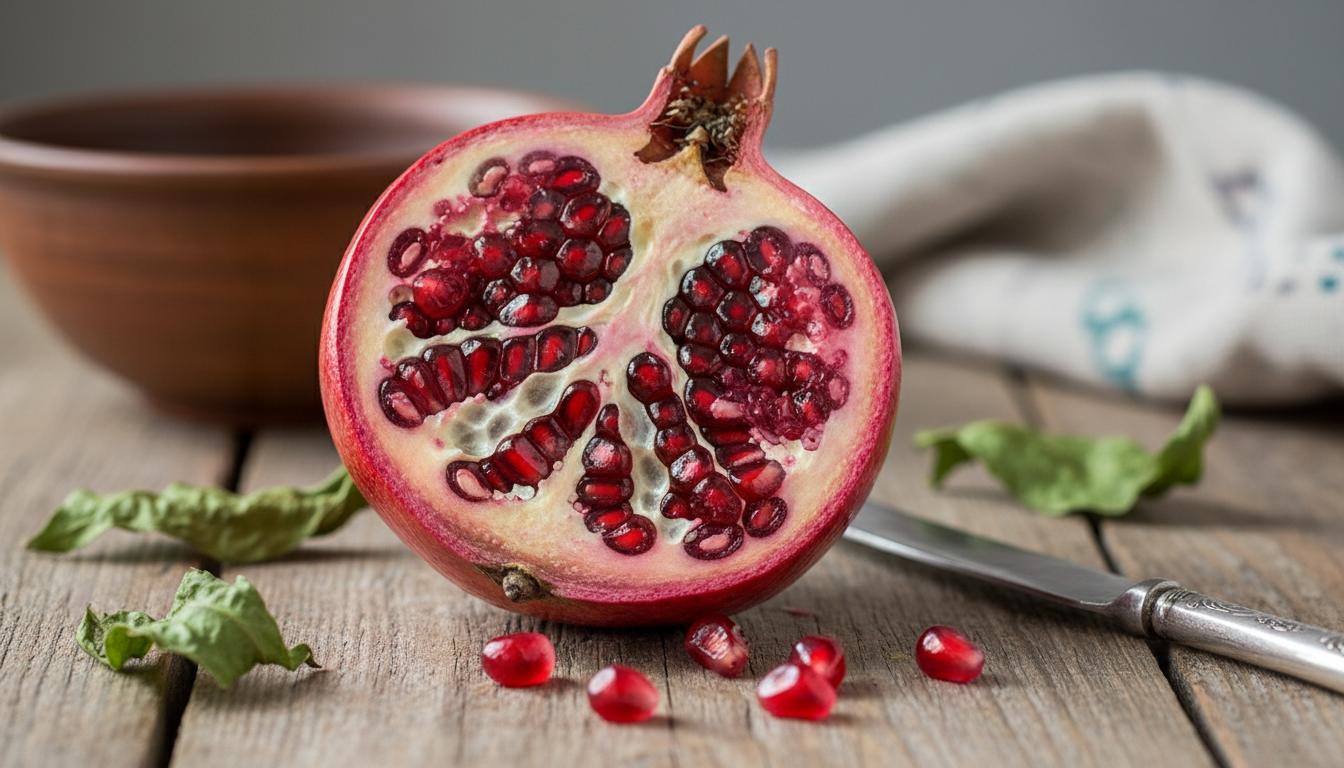
The pomegranate is the kind of fruit that turns a regular Tuesday into a little celebration. Crack one open and you get a jewel box of tart-sweet arils, a burst of colour, and a reminder that healthy food can be genuinely exciting. If you shop in Toronto, Vancouver, Calgary, Halifax—or anywhere in between—you’ve likely noticed pomegranates appearing in piles each fall, bright as traffic lights and just as hard to ignore. This guide dives deep into everything Canadians need to know: how to pick a good pomegranate, how to open it without painting your kitchen red, what the science actually says about its health benefits, and smart ways to cook with it from breakfast to dinner.
Along the way, we’ll look at prices and labels in Canadian stores, storage strategies that protect both flavour and your grocery budget, and even how realistic it is to grow pomegranates at home north of the 49th parallel. Whether you love pomegranate juice, scatter arils on salads, or want to try pomegranate molasses in your next marinade, you’ll find practical, trustworthy advice you can use today.
Meet the Pomegranate: What It Is and Why Canadians Love It
Botanically, the pomegranate (Punica granatum) is a berry with a tough, leathery skin that protects hundreds of tiny sacs of juice called arils. Each aril wraps a crunchy seed. You can eat the arils whole—seed and all—or juice them. The flavour sits somewhere between tart cherry and raspberry with a touch of tannic depth, like a whisper of red wine without the alcohol. That tartness is exactly why the fruit works in both savoury and sweet dishes; it cuts through richness and brightens dull flavours like a squeeze of lemon might.
In Canada, pomegranates are almost entirely imported. You’ll see California fruit from late September through December, with shipments also arriving from Spain, Turkey, Israel, and India. In winter and spring, supply often shifts to Peru or Chile. This global calendar means you’ll find pomegranates in major supermarkets for much of the year, but they’re freshest and most affordable in Canadian fall and early winter. If you live in Vancouver, Victoria, or the Fraser Valley, specialty produce shops often stock multiple varieties during peak season; in Montreal and Toronto, Middle Eastern and South Asian grocers carry not only whole fruit but also pomegranate molasses and dried seeds (anardana) used in Persian and Indian cuisines.
Why the surge in popularity here? A few reasons: the rise of Mediterranean and Persian cooking at home, more Canadians looking for naturally colourful, nutrient-dense foods, and the growing availability of ready-to-eat arils and bottled pomegranate juice. For busy households, being able to toss a handful of arils onto yogurt or into a salad without carving the fruit is a big plus. And for dinner hosts in January, nothing looks more festive than a plate or cocktail glass dotted with crimson gems.
Nutrition and Health: What the Science Actually Says
If you’re here for pomegranate benefits, let’s get right to it—without hype. Pomegranates are a source of fibre, vitamin C, potassium, and a spectrum of polyphenols (plant compounds) including anthocyanins, ellagic acid, and punicalagins. These contribute to the fruit’s antioxidant capacity, which simply means the compounds can neutralize certain types of reactive molecules in lab tests. In human health, the story is more nuanced: antioxidants from food often act through complex pathways that influence inflammation, blood vessels, and the gut microbiome, not by “soaking up” free radicals one-to-one.
What about calories and sugar? Pomegranate arils aren’t “low” in natural sugars, but they bring fibre and micronutrients (especially when compared to candy or sweetened desserts). Juice concentrates those sugars and leaves fibre behind, so portion size matters. Here’s a quick snapshot of typical nutrition values, based on commonly cited data for raw arils and 100% juice:
| Serving | Calories | Carbohydrates | Fibre | Protein | Vitamin C | Potassium |
|---|---|---|---|---|---|---|
| 1/2 cup pomegranate arils (~85–90 g) | ~70–80 kcal | ~16–18 g | ~3–4 g | ~1–2 g | A small but meaningful amount | ~150–200 mg |
| 250 mL 100% pomegranate juice | ~130–150 kcal | ~30–36 g | 0 g | 0–1 g | Varies by brand | ~250–300 mg |
These figures vary by variety and processing, but they’re a useful guideline. Notice the trade-off: arils give you fibre and chewing satisfaction; juice is convenient and hydrating but more sugar-dense. If you enjoy both, balance your portions over the week.
Polyphenols, punicalagins, and your heart
Research on pomegranates often focuses on heart health. Small clinical studies have reported modest benefits such as slight reductions in blood pressure and improvements in certain blood markers related to oxidative stress after regular consumption of pomegranate juice or extract. The polyphenols—particularly punicalagins and anthocyanins—are the likely drivers. However, results aren’t uniform across all studies, and doses vary widely. The practical takeaway for Canadians is simple: adding pomegranate as one of several polyphenol-rich foods (alongside berries, leafy greens, legumes, olive oil, and nuts) fits well within a heart-smart eating pattern. It’s not a miracle fix; it’s a colourful, tasty part of the bigger picture.
Inflammation, exercise recovery, and everyday energy
For physically active people—from weekend hockey players to cyclists commuting in Ottawa winters—pomegranate may help with post-exercise soreness. A few small trials have suggested that pomegranate polyphenols can reduce markers of muscle damage and perceived soreness after intense workouts, likely due to anti-inflammatory effects. If you’re curious, try 1/2 to 1 cup of arils or 125–250 mL of 100% pomegranate juice within a couple of hours after training and see how your body responds. Keep in mind: overall carbohydrate intake, hydration, sleep, and protein are still the heavy lifters in recovery.
Digestion and the gut microbiome
Pomegranate arils bring both soluble and insoluble fibre. That fibre supports regularity and feeds certain beneficial gut bacteria. Ellagitannins (a class of polyphenols) can be metabolized by gut microbes into compounds known as urolithins, which are being studied for a range of potential benefits. Not everyone produces the same metabolites—your microbiome makeup matters—so people can respond differently. That’s another reason to eat a diverse range of plants rather than banking on one fruit to do everything.
Blood sugar, diabetes, and portion sense
Because the arils carry fibre and their sugars are packaged in intact cells you have to chew, they usually produce a gentler blood sugar rise compared to drinking the same amount of sugar as juice. If you manage diabetes or prediabetes in Canada, pomegranate can fit into your meal plan in moderate portions, ideally alongside protein or fat. Think: arils sprinkled on Greek yogurt, tossed with walnuts in a salad, or used as a garnish on roasted vegetables. Juice is more concentrated; an occasional small glass may be fine for some people, but measure it like you would any other sweet beverage. If you wear a CGM, you’ll have immediate feedback on your personal response.
Safety notes: medications, pregnancy, allergies
Two key points for Canadians:
- Medication interactions: Pomegranate juice has been studied for potential interactions with certain medications metabolized by CYP450 enzymes. The data are mixed and not as clear-cut as with grapefruit, but there have been cautionary notes in the literature. If you take drugs with known grapefruit interactions (some statins, calcium channel blockers, and others) or anticoagulants, ask your pharmacist whether regular pomegranate juice is acceptable for you. It’s a quick conversation at any Canadian pharmacy counter.
- Pregnancy: Pomegranate arils and pasteurized 100% juice are generally considered safe. As with other unpasteurized juices, avoid unpasteurized pomegranate juice during pregnancy due to the risk of foodborne illness. In Canada, unpasteurized juice must be labeled as such.
Allergies to pomegranate are uncommon but possible. Individuals with latex-fruit syndrome may be more likely to react. If you experience itching, swelling, or trouble breathing, seek medical care.
Teeth and enamel
Pomegranate juice is acidic. If you drink it often, consider using a straw and rinse your mouth with water afterward. Wait 30 minutes before brushing to avoid scrubbing softened enamel. The same advice applies to citrus and other tart juices.
How to Choose, Store, and Prep Without the Mess
Buying a good pomegranate is easy if you know what to look for. Think density and skin condition. The arils are mostly water, so a heavy fruit is a juicy fruit.
How to choose a ripe pomegranate
- Weight: Pick up a few and choose the heaviest for their size.
- Skin: Look for smooth, taut skin with deep colour. Slight roughness or natural angularity is normal. Avoid soft spots, cracks, or mold at the crown (the flower end).
- Colour: Depending on variety, the skin may be ruby, pink, or even golden-red. Colour alone isn’t a perfect indicator of ripeness, so prioritize weight and firmness.
- Sound: A gentle tap can sound slightly metallic when the rind is firm and the inside is packed—useful, but not as reliable as weight.
Storage: counter vs. fridge
Whole pomegranates keep well. On a cool counter away from sunlight, they’ll last roughly 1–2 weeks. In the fridge (ideally around 4 °C), they can hold for up to a month or even longer if very fresh when purchased. Once you remove the arils, store them in a covered container in the refrigerator and aim to eat them within 3–5 days. For longer storage, freeze arils in a single layer on a tray, then transfer to an airtight bag or container. They’ll keep 4–6 months without much loss of texture—perfect for smoothies or sprinkling on oatmeal in February.
How to open a pomegranate—three ways
Hate the splatter? You’re not alone. Try one of these methods to coax the arils out without repainting your backsplash. Whichever you choose, wear an apron. Pomegranate juice stains clothing like it means it.
- The “underwater” method: Fill a bowl with cool water. Score the fruit lightly around the middle (don’t cut deep). Pry it open into halves, then quarters. Submerge and gently rub the arils free; the bitter white membrane floats, the arils sink. Skim off membrane, drain, and pat dry. It’s tidy and kid-friendly.
- The “tap it out” method: Cut the pomegranate in half across the equator. Hold a half cut-side down over a wide bowl and firmly rap the rind with a wooden spoon. Arils rain down. Rotate as you go to avoid pulverizing one spot. This is fast but can get splashy—stand at the sink.
- The “score and section” method: Slice off a thin cap at the crown to expose the segments. Score along the natural ridges from crown to base, then pull sections apart and thumb out the arils. Great control, low mess.
Stain triage
Got a pomegranate splash on a shirt? Blot (don’t rub). Rinse with cold water ASAP. Apply a little liquid laundry detergent or a baking-soda paste, let sit, then launder in cold. Avoid hot water at first—heat can set the stain. On countertops, a dab of diluted vinegar usually lifts fresh spots; test on porous stone before applying anything acidic.
Smart Shopping in Canada: Prices, Labels, and Where to Find the Good Stuff
Canada’s produce aisles carry pomegranates in multiple forms: whole fruit, ready-to-eat arils (often in 100–200 g cups or small tubs), frozen arils, dried seeds, molasses, and bottled juice. Prices vary by season, region, and retailer, but a few patterns hold true nationwide.
Typical price ranges
| Product | Typical Canada-wide price range | Notes |
|---|---|---|
| Whole pomegranate (in season, fall) | $1.88–$3.99 each | Often on promo at major chains; best value per gram of arils |
| Whole pomegranate (off-season, late winter–spring) | $3.99–$5.99 each | Imported from Peru/Chile; smaller sizes more common |
| Fresh arils (100–200 g) | $3.99–$6.99 | Convenience premium; great for quick salads and kids’ lunches |
| Frozen arils (300–600 g) | $5.99–$12.99 | Good backup for smoothies and baking |
| 100% pomegranate juice (946 mL–1 L) | $6.99–$12.99 | Not-from-concentrate often priced higher |
| Pomegranate molasses (235–350 mL) | $4.99–$9.99 | Look in Middle Eastern aisles or specialty shops |
Expect regional quirks. In the GTA and Lower Mainland, competition keeps prices sharp during peak season. In smaller communities or northern regions, shipping adds cost. Flyers from chains like Loblaws, Real Canadian Superstore, IGA, Metro, Sobeys, and Walmart often rotate pomegranate specials in October and November. Warehouse clubs may sell multi-packs in season for good value.
How to read Canadian labels for pomegranate products
- Country of origin: By Canadian regulation, fresh imported produce must list the country of origin. You’ll typically see “Product of USA,” “Product of Peru,” or similar on stickers or shelf tags.
- Juice ingredients: For 100% juice, the ingredient list should be short: “Pomegranate juice” or “Pomegranate juice from concentrate.” If sugar, glucose-fructose, or other sweeteners appear, it isn’t 100% juice. Some blends mix pomegranate with apple or grape; that’s fine if you prefer it, just know it changes flavour and sugar composition.
- Nutrition Facts: Canada’s Nutrition Facts table shows “Sugars” with a % Daily Value. The %DV for sugars in Canada is based on 100 g per day. This helps you gauge how a serving fits into your day—useful when comparing juices and fruit products.
- Unpasteurized warnings: Unpasteurized juice must be clearly labeled. If you’re pregnant or immunocompromised, choose pasteurized.
- Organic options: Organic pomegranates and juices are available in many provinces. For whole fruit, pesticide residues on the thick rind are not directly consumed; if buying organic fits your values and budget, go for it. Either way, rinse fruit before cutting.
Pomegranate in Canadian Kitchens: Recipes and Everyday Uses
Pomegranate slips into Canadian cooking as easily as maple syrup or lemon. It loves cold-weather produce, pairs beautifully with grains and legumes, and adds sparkle to simple weeknight meals. Below are practical ideas and a handful of detailed, no-fuss recipes that work in real life.
Breakfast and snacks
Stir a handful of arils into warm oatmeal with a drizzle of maple syrup and a dusting of cinnamon. Toss with Greek yogurt, toasted almonds, and a spoon of hemp hearts for a protein-rich bowl. Blend into a smoothie with frozen blueberries, spinach, and kefir; the tartness wakes up the mix without added sugar. For a quick snack, pair arils with cottage cheese and cracked black pepper—surprisingly good.
Salads that don’t feel like a side note
A winter salad of shredded kale, thin-sliced Honeycrisp apple, toasted pecans, and feta becomes dinner-worthy once you scatter pomegranate on top and dress it with olive oil, lemon, Dijon, maple syrup, and a pinch of salt. Couscous or quinoa bowls love pomegranate too: add roasted squash, chickpeas, plenty of herbs, and a squeeze of lemon.
Canadian mains with a pomegranate twist
Pomegranate molasses makes a glossy glaze for salmon, chicken, or roasted vegetables. Brush it on in the last few minutes of cooking to avoid burning; the sugars caramelize quickly. A splash in a pan sauce can rescue a bland roast, and it plays well with thyme, garlic, and black pepper.
Recipe: Maple-Pomegranate Glazed Salmon (serves 4)
Preheat the oven to 220 °C (425 °F). Pat 4 salmon fillets dry and season with salt and pepper. In a small bowl, whisk 2 tbsp pomegranate molasses, 1 tbsp pure maple syrup, 1 tsp Dijon mustard, 1 tbsp olive oil, and a small grated garlic clove. Place salmon on a foil-lined tray. Roast 6 minutes, brush with glaze, and roast 4–6 minutes more until just opaque in the centre. Rest 2 minutes, then garnish with 1/2 cup pomegranate arils and chopped parsley. Serve with roasted Brussels sprouts and barley or wild rice.
Recipe: Ontario Kale, Apple, and Pomegranate Crunch Salad
Destem and thinly slice one large bunch of curly kale. In a salad bowl, massage with 1 tbsp olive oil and a pinch of salt until slightly softened. Add 1 crisp Ontario apple (sliced), 1/3 cup toasted pecans, 1/4 cup crumbled feta, and 3/4 cup pomegranate arils. Whisk 2 tbsp olive oil, 1 tbsp lemon juice, 1 tsp maple syrup, 1 tsp Dijon, salt, and pepper. Toss and serve. To bulk it up, add roast chicken or cooked lentils.
Recipe: Warm Lentils with Pomegranate and Herbs
Simmer 1 cup French green lentils in salted water with a bay leaf until just tender, about 20–25 minutes. Drain. In a skillet, warm 2 tbsp olive oil, add a minced shallot and a pinch of chili flakes; cook 2 minutes. Add lentils, 1 tbsp red wine vinegar, salt, and pepper; toss to coat. Off heat, fold in 3/4 cup pomegranate arils, a handful of chopped parsley and mint, and 2 tbsp toasted walnuts. Finish with a squeeze of lemon. It’s excellent alongside grilled halloumi or seared trout.
Simple sauces, dips, and salsas
A quick pomegranate salsa perks up tacos and roasted meats: mix arils with diced red onion, jalapeño, cilantro, lime juice, and salt. For a dip, blend roasted red peppers, walnuts, garlic, breadcrumbs, pomegranate molasses, lemon, and olive oil into a riff on muhammara; serve with pita or crisp vegetables. In a pan sauce, deglaze with a splash of low-sodium stock and a spoon of pomegranate molasses, then whisk in a knob of cold butter to gloss.
Recipe: Pomegranate-Avocado Salsa
Combine 1 cup pomegranate arils, 1 ripe avocado (diced), 2 tbsp finely chopped red onion, 1 small jalapeño (seeded and minced), 2 tbsp lime juice, 2 tbsp chopped cilantro, and a pinch of salt. Toss gently. Spoon over grilled steelhead, shrimp tacos, or roasted sweet potatoes.
Drinks and desserts without excess fuss
For a lighter “pomegranate juice” experience, cut 100% pomegranate juice with sparkling water and ice, squeeze in a lime wedge, and garnish with a few arils so they float like confetti. For cocktails, pomegranate pairs with gin, tequila, or a Canadian rye whisky; balance with citrus and a touch of simple syrup if needed. Dessert-wise, a bowl of citrus segments (orange, grapefruit, blood orange when available) becomes dinner-party worthy with pomegranate scattered on top and a drizzle of honey. Or fold arils into whipped yogurt cream and serve with shortbread.
Recipe: Winter Citrus and Pomegranate Compote
Segment 2 navel oranges and 1 grapefruit over a bowl to catch juices. Stir in 1 cup pomegranate arils, 1–2 tsp maple syrup (optional), and a few torn mint leaves. Chill 15 minutes. Spoon over vanilla yogurt or angel food cake.
Pomegranate Molasses, Syrups, and Dried Seeds: A Short Guide
Beyond fresh fruit and juice, three pantry items earn a spot in Canadian kitchens that like bold flavour.
Pomegranate molasses
Despite the name, pomegranate molasses isn’t a sugarcane product. It’s simply pomegranate juice simmered until thick, tangy, and slightly sweet, sometimes with a pinch of sugar and lemon to balance. You’ll find it in Middle Eastern aisles and specialty shops across Canada. Use it like you’d use balsamic glaze: drizzled on roasted carrots, whisked into vinaigrettes, brushed on grilled meat or tofu, or folded into pan sauces. A little goes a long way.
Make-your-own pomegranate molasses
If you’ve got a litre of 100% juice, you can make a homemade version. Pour the juice into a wide saucepan, add 1–2 tbsp sugar (optional) and 1–2 tsp lemon juice. Simmer gently over medium-low heat, stirring occasionally, until reduced to about one-third and thick enough to coat a spoon; this can take 45–75 minutes depending on your pan and heat. Cool, then store in a clean jar in the fridge for up to a month. Use your nose and taste buds—if it smells caramelized or tastes bitter, you’ve gone too far; next time, reduce the heat.
Dried pomegranate seeds (anardana)
Anardana are dried pomegranate arils used in North Indian, Pakistani, and Persian cooking to bring gentle sourness and fruitiness. They’re sold whole or ground. Sprinkle ground anardana in chaat, chutneys, bean dishes, or spice rubs for grilled fish. In Canadian cities with South Asian grocers—Brampton, Surrey, Winnipeg, Calgary—you’ll find them in small packets near spices. Check freshness: aroma fades over time. Store in an airtight container away from sunlight.
Syrups and grenadine
Classic grenadine is a pomegranate syrup, though many commercial versions lean heavily on sugar and colour. You can make a simple grenadine by simmering 2 cups pomegranate juice with 1–1.5 cups sugar until dissolved; cool and store. For a truer fruit profile, add a splash of pomegranate molasses and a few drops of orange blossom water. Use in mocktails, cocktails, or drizzle on pancakes instead of maple when you want a change of pace (we won’t tell).
Growing Pomegranates in Canada: What’s Realistic
Can you grow a pomegranate tree in Canada? Yes—with caveats. Pomegranates like heat and don’t love hard freezes. Outdoors year-round, they’re best suited to the mildest parts of the country: coastal British Columbia, especially microclimates on southern Vancouver Island and parts of the Gulf Islands. Even there, protection from severe cold snaps is wise. In most of Canada, pomegranates can be grown in containers and overwintered indoors or in a greenhouse.
Climate basics
Pomegranates are generally hardy to about –10 to –12 °C once established, depending on variety. Extended hard freezes damage wood and kill flower buds. That means:
- Coastal BC (zones 7–8): With careful site selection (south-facing wall, wind protection) and a cold-hardy variety, you may fruit outdoors. A frost cloth during rare deep freezes helps.
- Prairies, Ontario, Quebec, Atlantic Canada: Treat pomegranate as a container plant. Summer it outside in full sun; bring it into a bright, cool indoor spot before hard frost.
Varieties to look for
‘Wonderful’ is the most common supermarket variety, but it’s not the hardiest. Hobby growers in cooler regions often try cultivars selected for cold tolerance and earlier ripening, such as ‘Russian 26’ (also sold as ‘Salavatski’), ‘Kazake’, and ‘Desertnyi’. Sourcing can be the hardest part in Canada; check specialty nurseries and local plant swap groups in BC and Ontario, and consider ordering from reputable nurseries that ship within Canada.
Container growing, step by step
- Pot and soil: Use a 40–60 L container with drainage. A high-quality, well-draining potting mix (not heavy garden soil) works best. Add a bit of compost, but avoid waterlogged conditions.
- Light: Full sun is non-negotiable—aim for 6–8 hours daily. A south-facing patio is ideal in summer.
- Water: Deeply but infrequently. Let the top 2–3 cm of soil dry before watering. Overwatering makes roots sulk.
- Feeding: In spring, mix in a balanced, slow-release fertilizer. Supplement lightly with liquid feed in midsummer if growth stalls.
- Pruning: Pomegranates can be trained as a single-trunk tree or multi-stem shrub. Prune in late winter to remove crossing branches and open the centre to light. Flowers grow on new wood, so don’t be shy about tidying leggy shoots.
- Pollination: Most varieties are self-fertile, but having two can improve yield. Bees help; avoid spraying anything blooming.
- Overwintering: Before first frost, move the pot to an unheated garage, cool sunroom, or bright indoor spot. Aim for 5–10 °C if possible; the plant enjoys a rest period. Water sparingly—just enough to prevent the root ball from going bone dry.
Will you harvest grocery-store levels of fruit in Calgary or Ottawa? Probably not. But getting a handful of your own pomegranates is possible with patience, and the orange tubular flowers are beautiful even in non-fruiting years.
Sustainability and Ethics: Water, Transport, and Waste
It’s fair to ask: what’s the footprint of a fruit that travels thousands of kilometres to Canada? Here’s a balanced view to help you shop with confidence and context.
Water and farm practices
Pomegranates are relatively drought-tolerant once established compared with many fruit trees, though commercial orchards still require irrigation in dry climates. Whether that’s “good” or “bad” depends on local water stress and how responsibly farms manage their resources. Major exporting regions like California have robust debates around water use; certified growers often employ drip irrigation and soil moisture monitoring to optimize use. If sustainable farming is important to you, look for growers with recognized certifications (e.g., GlobalG.A.P.) or buy from retailers that publish supplier standards.
Transport and seasonality
Most imported pomegranates arrive in Canada by ship or truck, not air. Sea freight has a lower carbon footprint per kilogram than air freight. Buying in season (fall and early winter) usually means shorter supply chains and better quality. In off-season months, quality can dip and prices rise; that’s a good time to lean on frozen arils or try other Canadian fruits in season.
Reducing food waste at home
- Plan portions: One medium pomegranate yields roughly 1 to 1.5 cups of arils. If that’s more than you need, freeze half.
- Use-it-up ideas: Stir arils into leftover grain bowls, top tomorrow’s fried eggs, or add to a quick slaw with cabbage and carrots.
- Compost responsibly: The rind and membranes are compostable in most municipal green bin programs across Canada, but check local rules.
Special Diets and Cultural Moments
Pomegranate fits almost every dietary preference: vegan, vegetarian, gluten-free, halal, kosher—it’s a fruit. It’s also woven into food traditions that many Canadians celebrate.
Holiday tables and symbolic uses
In Jewish homes during Rosh Hashanah, pomegranates symbolize abundance and the hope for a sweet new year. Persian and Armenian cuisines use pomegranate heavily—fresh arils for brightness and pomegranate molasses for deep, tart complexity—in dishes that often show up at Nowruz (Persian New Year) and other holidays. In Indian cooking, anardana brings gentle sourness to chaat and chutneys. For multicultural Canadian tables, this means you’ll find pomegranate in everything from holiday salads to kebab marinades, and on charcuterie boards where it adds a jewel-toned pop.
Kid-friendly ideas
Kids tend to love the pop and crunch of arils. Offer them chilled in small bowls or frozen for a slushy snack. Mix into trail mix with pumpkin seeds and dark chocolate chips. For school lunches, a small lidded container of arils is easy and mess-free. Remind children to chew; the seeds are edible and full of fibre.
Techniques and Tips: Juicing, Freezing, and More
Working with pomegranate gets easier with a few tricks. Here’s how to get more from every fruit you buy.
Juicing at home
If you own a citrus press, you can juice pomegranates: slice them in half and press like an orange, but know that some bitterness from the rind can sneak in. For a purer flavour, remove arils and pass them through a slow juicer or pulse gently in a blender just until the sacs break; strain through a fine mesh. For a quick mocktail, mix 125 mL juice with 125 mL sparkling water and a squeeze of lime, then float a few arils on top.
Freezing and thawing arils
Freeze arils in a single layer on a parchment-lined tray. Once solid, tip them into a freezer bag, squeeze out excess air, and label. They’ll pour like marbles for months. Thaw at room temperature in minutes, or toss frozen straight into smoothies, muffin batter, or a pan sauce where they’ll warm through and stay bright.
Cooking without losing colour and texture
High heat dulls pomegranate’s ruby sheen. To keep colour vivid, add arils at the very end of cooking, off the heat. If you want a sauce with body, use pomegranate molasses or juice reduction for intensity, then finish with fresh arils as a garnish. This one-two punch preserves brightness and delivers depth.
Food Safety and Practicalities in Canada
Food safety rules here are straightforward but worth repeating because they protect the most vulnerable among us.
Cleaning and cross-contamination
Rinse whole pomegranates under cool running water before cutting. The rind touches your knife, which touches the arils. Dry with a clean towel. Use a clean cutting board and knife—common sense, but easy to skip in a rush. If you prep raw meat at the same time, keep boards and knives separate and wash hands well.
Leftovers and best-before dates
Store pre-packaged arils according to the label. If they smell fermented or look slimy, toss them. For leftover arils you’ve extracted at home, keep them covered and cold; use within 3–5 days for best texture. Bottled juice and molasses have best-before dates; once opened, refrigerate and use within the time listed on the label for quality.
Troubleshooting: Real-Life Questions and Straight Answers
When you start cooking with pomegranate more often, a few practical questions come up. Here are clear answers to keep you moving.
Are pomegranate seeds edible?
Yes. The crunchy inner seed inside each aril is edible and a good source of fibre. Most people eat arils whole. If you prefer to avoid the crunch, juice the arils and strain.
How many arils are in one pomegranate?
It varies by size and variety, but a medium fruit typically yields 1 to 1.5 cups of arils. If you’re planning recipes, two medium pomegranates comfortably provide about 3 cups.
Why are some arils paler or less sweet?
Variety, growing conditions, and ripeness at harvest all play a role. Early-season fruit can be more tart. Sun exposure also matters: fruit with more sun during growth often has deeper colour and sweetness. Pale arils can still be excellent, especially in savoury dishes where extra tartness is an advantage.
My pomegranate has a crack. Is it safe?
Cracks can occur when fruit ripens quickly after rain. If the crack is minor and the inside looks fresh—no mold, off odour, or dryness—it’s usually fine to eat right away. If the crack is large, the fruit may have dried out or become contaminated; when in doubt, skip it.
Can I give pomegranate to my dog?
Small amounts of arils are generally safe for dogs and can be a fun treat. The rind and membrane aren’t digestible and can upset stomachs; don’t feed those. If your pet has a sensitive stomach, skip pomegranate or talk to your vet first.
Is pomegranate juice good before a workout?
It can be. A small glass (125–200 mL) provides quick carbohydrates and hydration; some athletes also like it post-workout for the polyphenols. If you’re training intensely, pair juice with a source of sodium and, later, protein for recovery.
Can I replace vinegar with pomegranate molasses?
Sometimes. Pomegranate molasses is both sour and slightly sweet, with a fruitiness vinegar lacks. In dressings, use a split: half the usual vinegar plus a teaspoon or two of pomegranate molasses to start, adjusting to taste.
Beyond the Basics: Creative Pairings and Menu Ideas
If you’re stuck in a “salad only” rut, here are pairings that show how versatile pomegranate really is in Canadian kitchens.
With fish and seafood
Arctic char, salmon, and scallops all play well with pomegranate’s acidity. A pan-seared scallop dish finished with a pomegranate-brown butter (brown the butter, add a small splash of pomegranate juice and lemon, swirl) lands squarely in special-occasion territory without being fussy. Arils add sparkle to fish tacos with cabbage slaw and lime crema.
With root vegetables and squash
Roasted carrots, beets, parsnips, and squash can be sweet and heavy. A scatter of arils and a drizzle of pomegranate molasses or a bright lemony dressing balance that sweetness and cut the richness. Add toasted seeds (pumpkin, sunflower) for crunch.
With grains and legumes
Barley, farro, and wild rice salads love pomegranate. So do chickpeas and black lentils. Add herbs by the handful: dill, parsley, cilantro, mint. A spoon of yogurt or labneh, a dusting of sumac, and you’re set.
With cheese
Pair pomegranate with salty cheeses: feta, halloumi, aged cheddar, or Quebec’s Oka. On a cheese board, arils cut through richness and look stunning. For canapés, try a cracker with whipped goat cheese, a dab of pomegranate molasses, and 3–4 arils on top.
Label Literacy: Choosing the Right Juice and Arils
With a wall of options at Canadian supermarkets, here’s how to spot quality quickly.
100% pomegranate juice vs blends
Not-from-concentrate juices tend to have a fresher, more complex flavour but cost more. Juice “from concentrate” reconstitutes evaporated juice; it’s fine and often more affordable. Blends stretch pomegranate with apple or grape; they taste milder and sweeter. Choose based on your palate and budget, but for the most pomegranate character, pick 100% juice and dilute at home with sparkling water as needed.
Ready-to-eat arils
Convenience is the draw. Check the packaging date and clarity—arils should look plump and bright, not cloudy or leaky. If there’s a “use by” date, respect it. These are great for kids’ lunches or quick breakfasts when wrestling a whole pomegranate isn’t in the cards before school.
Budget Tips for Canadian Shoppers
Want the most pomegranate for your dollar? Shop smart and store well.
- Buy whole fruit in season and prep your own arils. It’s the best value per serving.
- Use flyers and price-match policies where available. Many Canadian chains honour price matching through their apps.
- Freeze leftovers. If you buy a six-pack at a warehouse club, seed a few and freeze arils in portions.
- Stretch juice. Mix 1:1 with sparkling water to make a refreshing drink with half the sugar per glass.
- Invest in a cheap apron. It pays for itself the first time you avoid a stain.
What Restaurants and Chefs in Canada Do with Pomegranate
Scan menus in Toronto’s Persian restaurants or Vancouver’s modern Middle Eastern spots and you’ll see pomegranate in kebabs, stews, and salads. Chefs use it judiciously: a spoon of molasses in a marinade for lamb, a handful of arils to wake up a roasted cauliflower plate, a drizzle of syrup on a cheesecake for colour and tang. Take notes and borrow the ideas at home. The secret is restraint—pomegranate is a finishing move as much as a main ingredient.
Myth-Busting: Clearing Up Common Confusions
There’s a lot of lore around “superfruits.” Here’s a quick reality check.
- Myth: Pomegranate cures specific diseases. Reality: No single food cures illness. Pomegranate can be part of a balanced diet that supports overall health.
- Myth: The white membrane is toxic. Reality: It’s just bitter. Not harmful, just not tasty.
- Myth: More antioxidants always mean better health. Reality: Context matters. Whole foods beat megadoses in isolation. Variety wins.
- Myth: Juice is as good as whole fruit. Reality: Juice can fit, but it lacks fibre and concentrates sugars. Whole arils offer more satiety and a better nutrient package per sugar gram.
Planning a Pomegranate-Centric Menu for Guests
If you’re hosting in December or January, consider a menu that showcases pomegranate without feeling repetitive.
- Starter: Roasted carrot and cumin soup topped with a spoon of yogurt and a sprinkle of pomegranate arils.
- Salad: Little gem or romaine with radicchio, pear, walnuts, shaved Parmesan, and pomegranate vinaigrette.
- Main: Maple-pomegranate glazed salmon or a spiced roasted cauliflower “steak” with tahini and pomegranate for vegetarians.
- Side: Wild rice with mushrooms, herbs, and pomegranate.
- Dessert: Citrus and pomegranate compote with almond biscotti.
- Drink: Pomegranate spritz (100% juice topped with Prosecco or sparkling water) with lime.
This lineup gives you acidity, richness, crunch, and colour without leaning on the fruit too hard. It also respects Canadian grocery realities: everything is easy to find, even mid-winter.
Storage, Preservation, and Meal Prep Strategy
Pomegranates work beautifully in meal prep when you think in components.
- Weekend prep: Seed 2–3 pomegranates. Keep arils in a sealed container. They’re ready to drop into breakfast bowls, salads, and sautés.
- Batch sauce: Reduce 1 L of juice into molasses and stash in the fridge. You’ll have an instant flavour booster for a month.
- Freeze portions: Use silicone muffin trays to freeze 1/4-cup blocks of arils; pop them out and bag. Each puck is a perfect smoothie or salad add-on.
- Stir-fry finisher: Keep a small jar of toasted seeds (pumpkin, sesame) and arils in the fridge. A spoon of each at the end of a stir-fry adds crunch and brightness.
For the Nutrition-Curious: Glycemic and Performance Notes
People like numbers. While exact values can vary, here’s how to think practically:
- Glycemic impact: Whole arils have a moderate glycemic load per typical serving thanks to fibre and structure. Juice is higher; dilute or keep portions modest if you monitor blood glucose.
- Pre-run snack: 1/2 cup arils and a small banana, or a slice of toast with peanut butter and a few arils on top. Easy on the stomach, a mix of quick and slower carbs.
- Post-lift recovery: Greek yogurt with arils and honey hits protein plus carbs; great after strength sessions.
Where Pomegranate Meets Canadian Produce
Part of eating well in Canada is respecting our seasons. Pomegranate slides neatly into winter produce when local fruit choices narrow.
- With cabbage and kale: Shredded slaw with a lemony dressing and pomegranate cuts through winter heaviness.
- With apples and pears: Add crunch and acid to balance sweetness.
- With citrus: Build layered dessert bowls and salads full of vitamin C when you need it most.
Entertaining Hacks: Look Fancy with Low Effort
Hosting without stress is an art. Pomegranate helps.
- Garnish smart: A handful of arils makes almost anything look composed—hummus, cheese boards, roasted vegetables, even store-bought desserts.
- DIY bar: Set out a small carafe of 100% pomegranate juice, sparkling water, lime wedges, and a bowl of arils. Guests can build their own spritzers.
- Make-ahead: Pomegranate molasses vinaigrette keeps a week. Toss last-minute with greens and arils and you’re done.
Reading Research Without Getting Lost
You’ll see headlines about pomegranates and everything from heart disease to cognition. A few principles help separate signal from noise:
- Study size matters: Many pomegranate studies are small and short. Interesting, but not definitive.
- Form matters: Extracts, concentrates, and whole fruit differ. You can’t assume a pill study equals eating arils.
- Diet context: Benefits are most compelling when pomegranate joins an overall pattern rich in plants, lean proteins, and healthy fats.
If you use supplements, talk to your healthcare provider, especially if you take prescription medications. In Canada, pharmacists are accessible and trained to spot interactions.
Accessibility and Inclusion: Making Pomegranate Easy for Everyone
For seniors or anyone with dexterity challenges, handle the prep with care. The underwater method requires less force and avoids splatter. Pre-cut arils, while pricier, can be a worthwhile accessibility choice. For those on tight budgets, buy whole fruit in season, prep in batches, and freeze. Food banks and community fridges sometimes receive pomegranates in winter; if you volunteer, consider sharing tips on storage and easy uses so nothing goes to waste.
FAQ: Pomegranate in Canada
What’s the best way to store a whole pomegranate?
Keep it in the fridge for longest life—often up to a month if it’s fresh when purchased. On the counter, it lasts about 1–2 weeks. Avoid direct sunlight and don’t stack heavy items on top; the crown can bruise.
How do I know if a pomegranate has gone bad?
Check for soft spots, mold at the crown, or a fermented smell. If arils inside look brown, mushy, or dry, compost it. Fresh arils should be plump, juicy, and bright.
Is it okay to swallow pomegranate seeds?
Yes. The inner seeds are edible and provide fibre. Most people eat arils whole. If you dislike the crunch, juice and strain.
How much pomegranate juice is reasonable per day?
For most healthy adults, 125–250 mL (1/2–1 cup) of 100% pomegranate juice fits comfortably within a balanced diet. If you manage blood sugar or take medications with potential interactions, confirm with your healthcare provider.
Can I make pomegranate molasses with bottled juice?
Absolutely. Choose 100% pomegranate juice (not a blend). Simmer gently until thick. A small splash of lemon helps maintain brightness.
Will pomegranate stain my countertops?
It can. Wipe spills right away. On sealed surfaces, diluted vinegar lifts fresh stains. On porous stone, avoid acids; use a stone-safe cleaner instead and blot promptly.
Are pomegranates grown in Canada?
Commercially, not at scale. Small plantings and backyard trees exist in coastal BC and a few protected microclimates. Most pomegranates in Canadian stores are imported from the USA, Peru, Spain, Turkey, Israel, or India, depending on the season.
What’s the difference between pomegranate arils and seeds?
“Arils” are the juicy sacs that contain the crunchy inner seeds. When people say “pomegranate seeds,” they often mean the whole aril. Both terms get used interchangeably in recipes; context usually makes it clear.
Is pomegranate low FODMAP?
Small portions of arils can fit into many low FODMAP plans, while larger servings and juice may be less tolerated due to concentrated sugars. Individual tolerance varies. If you follow a therapeutic diet, work with a registered dietitian in Canada for tailored guidance.
How do I stop arils from sinking in drinks?
Use plenty of ice and top with sparkling water or Prosecco to add buoyancy. Serving in a narrower glass also helps arils stay suspended longer. For mocktails, a touch of simple syrup increases liquid density and slows sinking.
Can I dehydrate pomegranate seeds at home?
Yes. Spread arils on a dehydrator tray at low heat until dry and tacky, then pulse in a spice grinder for a coarse powder. The flavour won’t match sun-dried anardana exactly, but it’s a fun project and works well in chutneys and rubs.
Does pomegranate interact with statins or blood thinners?
Evidence of clinically significant interactions is mixed and not as established as grapefruit. That said, because some medications are sensitive to CYP3A4 inhibition and other pathways, it’s prudent to check with your pharmacist if you drink pomegranate juice regularly while on such medications.
Can kids choke on pomegranate?
Pomegranate arils are small and generally safe for children who can manage similar foods like blueberries. For toddlers, supervise and consider lightly smashing the arils to reduce bounce. Every child is different; when in doubt, consult your pediatrician.
What’s the easiest way to open a pomegranate without a mess?
The underwater method is the cleanest. Quarter the fruit, submerge in a bowl of water, and gently free the arils. Membranes float; arils sink. Drain and pat dry. Minimal stains, maximum yield.
Is bottled pomegranate juice as healthy as eating the fruit?
It offers some of the same polyphenols but without fibre and with sugars concentrated. Enjoy it as part of a balanced diet, but don’t let it replace whole fruit daily.
Why does pomegranate taste different from brand to brand?
Variety, growing region, processing (from concentrate vs not), and harvest timing all influence flavour. Taste a few and stick with the one you like. Canadian retailers often carry consistent brands, which helps with predictability.
Can I use pomegranate instead of cranberries in recipes?
Sometimes. Arils work well where you want fresh pops of tartness (salads, salsas), but not in cooked sauces that rely on cranberries’ pectin to set. For a relish, try mixing both: cook cranberries lightly, then fold in arils at the end for texture.
How do I tell if a pomegranate is ripe at the store?
Choose one that feels heavy for its size with taut, unbroken skin. Colour varies by variety, so don’t rely on redness alone. Avoid soft spots or mold at the crown.
Can I compost pomegranate rinds in Canada?
In most municipalities with green bin programs, yes. Check your local waste guidelines. If you backyard compost, chop the rind into smaller pieces to speed breakdown.
Is pomegranate molasses just reduced juice?
Yes. Traditional versions may add a touch of sugar and lemon for balance, but the core is reduced pomegranate juice. It’s thick, tangy, and slightly sweet—more complex than plain juice.
Any quick weeknight dinner using pomegranate?
Absolutely. Roast chicken thighs on a sheet pan with carrots and red onions at 220 °C (425 °F). In the last 5–7 minutes, brush with a mix of pomegranate molasses, olive oil, and garlic. Finish with arils and parsley. Dinner, done.
The Bottom Line for Canadians
Pomegranate earns its place in your cart by punching above its weight in flavour, colour, and versatility. Buy heavy fruit with good skin, store it cool, learn one mess-free opening method, and keep a bottle of pomegranate molasses on hand for weeknight magic. Enjoy arils for their fibre and freshness, sip juice in sensible portions, and fold this bright fruit into the rhythms of Canadian cooking—from kale salads to glazed salmon to celebratory spritzers. It won’t fix everything, but it will make a lot of meals better, and that counts.