
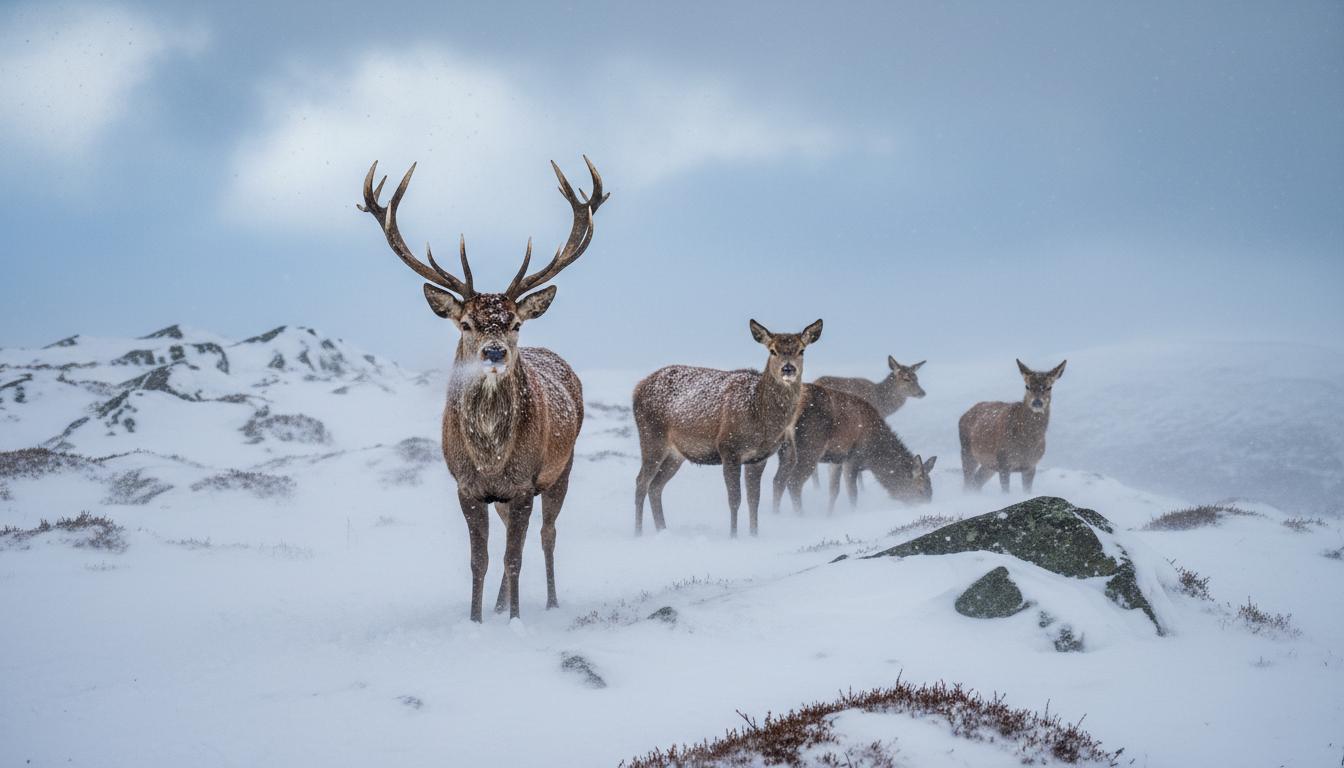
Stand on the banks of the Red Deer River on a bright January morning and you’ll feel two things at once: the sting of wind-chill on your cheeks and the kind of sun that tricks your eyes into thinking it’s spring. That’s Red Deer weather in a nutshell—honest, quick to change, and shaped by big skies and bigger air masses. If you live here, travel here, or plan projects here, understanding how the atmosphere behaves over central Alberta pays off—every school run, every construction pour, every weekend plan.
This guide explains what really drives the weather in Red Deer, Alberta: the seasonal patterns, the outliers, the risk days and the bluebird days. You’ll get month-by-month expectations, packing and clothing advice, gardening and construction timing, road safety tips, and the local tools residents actually use to make decisions. It’s written for a Canadian audience that already speaks metric, knows what wind chill feels like, and doesn’t flinch at the word “hail”—but still appreciates clear, actionable details.
Where Red Deer Sits—and Why That Shapes the Weather
Red Deer lies roughly halfway between Calgary and Edmonton along Highway 2, perched on rolling parkland and prairie with the Rockies looming to the west. Elevation sits around 850–900 metres above sea level, high enough to matter. That altitude and open terrain tilt the climate toward dry-cold winters and sunny, pleasantly brief summers with cool nights. The Red Deer River carves a shallow valley through the city, creating subtle microclimates that gardeners and early-morning runners notice before the forecast does: cooler air drains into the valley on clear nights, fog clings near the water at sunrise, and frost can hit low spots even when hilltops stay just above freezing.
The city sits east of the Rockies’ main wall, so true walloping Chinooks—the roaring downslope winds that jack up temperatures in Calgary—tend to weaken by the time they reach Red Deer. That said, a mild, dry westerly flow can still break a cold snap in a few hours, especially in late winter. Conversely, when Arctic air spills south, there’s not much to stop it. Central Alberta often sits on the battleground of warm Pacific impulses and cold continental air. That boundary is why a mid-March morning can bring freezing drizzle at sunrise and fat, wet flakes by lunch.
The Big Picture: Seasons in Red Deer
Climate normals make it look tidy, but the lived reality is this: Red Deer’s year divides into roughly four usable seasons—but their edges slide around by a few weeks depending on the jet stream. If you expect variability and plan with margins, you’ll be fine. If you bet on a date because the calendar says “spring,” stock a backup plan.
Winter stretches from November into March, with long cold periods, a few milder spells, and regular snow events. Snow on the ground is common from late fall through much of spring, though bare patches can appear between storms. The cold is usually dry, but wind makes it bite. Daylight is short in December, yet skies are often sunny between systems.
Spring arrives in fits and starts—April to early June is a swing season. Melt-freeze cycles are constant, gravel and slush share the roads, and late-season snow is not a surprise. Thunderstorms start to enter the picture in May, and the growing season doesn’t fully lock in until after the last frost risk fades near early June.
Summer (June through August) is comfortable by Canadian prairie standards: warm afternoons, cool nights, and relatively low humidity. Most of the year’s rain falls now, usually via afternoon showers or thunderstorms. Hail and lightning are the trade-offs for those lush green weeks. On smoky years, wildfire plumes from Alberta or B.C. can turn blue skies into a sepia filter for days at a time and suppress the sun.
Autumn is crisp and quick. September often serves up perfect hiking weather—sunny afternoons and sweater evenings—before early frosts and the season’s first snow chances arrive by October. Daylight drops fast, leaves flash, and the construction rush accelerates to beat the freeze.
Monthly Averages and What They Mean Day to Day
Numbers help you plan, but treat them like guideposts, not guarantees. The table below shows rounded, typical conditions for Red Deer based on long-term Environment and Climate Change Canada records at the airport. Airport readings tend to run a touch cooler at night than inner neighbourhoods. Use these values for broad planning, then check a reliable 7-day forecast to fine-tune decisions.
| Month | Avg Daytime High (°C) | Avg Night Low (°C) | Typical Precipitation (mm) | Typical Snowfall (cm) |
|---|---|---|---|---|
| January | -8 to -5 | -18 to -14 | 10–20 | 15–25 |
| February | -6 to -2 | -17 to -13 | 10–20 | 12–22 |
| March | -1 to +3 | -11 to -7 | 15–25 | 10–20 |
| April | 7 to 11 | -4 to 0 | 20–35 | 5–15 |
| May | 14 to 18 | 1 to 5 | 35–60 | 0–5 |
| June | 19 to 22 | 7 to 10 | 60–85 | 0 |
| July | 22 to 24 | 9 to 11 | 50–75 | 0 |
| August | 21 to 23 | 8 to 10 | 45–65 | 0 |
| September | 15 to 18 | 2 to 5 | 30–50 | 0–3 |
| October | 7 to 10 | -4 to -1 | 20–35 | 5–15 |
| November | -4 to -1 | -13 to -9 | 15–25 | 10–25 |
| December | -10 to -6 | -19 to -15 | 10–20 | 15–25 |
What those ranges hide is the swing potential. A run of -30°C wind chill days in January is absolutely on the table, but so is a brief melt that clears sidewalks. July can stack three days above 30°C, then tumble to a sweater evening with a thunderstorm outflow. Do not plan sensitive work—concrete pours, paint, roofing, delicate planting—off a single long-range projection. Use the pattern, then confirm within 72 hours of the date.
If you need just one quick takeaway: snow falls mainly November through April, with a few wildcards on the shoulders; the heaviest rain and most lightning hits June through August; and truly dangerous cold snaps can happen from December into early March, with the roughest wind chills usually following Arctic fronts by 24–48 hours.
What Drives Day-to-Day Weather in Red Deer
Red Deer’s forecast depends on where the jet stream sets the stage. When it dips south, Arctic air spills into the Prairies. That’s when you get clear, brittle cold and powdery snow with high ratios (light, fluffy flakes). When the jet bows north and westerly flow dominates, Pacific systems cross the Rockies, wring out their moisture on the windward slopes, and deliver weaker, drier clips to the central corridor—unless the setup produces upslope flow, which can enhance snow east of the foothills.
Three patterns shape your week more than most:
- Post-Arctic high pressure: Blue skies, sharp sun, very cold mornings, and weak winds that let surface inversions form. Expect fog in the river valley and hoar frost on trees. Daytime warms some, nights plunge.
- Alberta Clipper: Fast-moving low from the northwest. Short, sharp snow burst, a temperature drop, then gusty northwest winds and blowing snow. Visibility becomes the issue on open roads like Highway 2 and secondary routes.
- Moist southwest flow: Mild for the season, sometimes breezy. If it taps Gulf of Alaska moisture and couples with upslope, heavier snow can form. In late spring and summer, the same flow fuels thunderstorm days if surface heating is strong.
Chinook effects do reach central Alberta at times, just muted. You may see a “Chinook arch” cloud band to the west and grab a 10–15°C temperature bump on a January afternoon, but the strongest warming and bone-dry downslope winds usually spend themselves closer to the foothills. In Red Deer, think “helpful moderation” rather than “T-shirt in January.”
One more quirk: freezing drizzle. In late fall and early spring, shallow, cool, saturated layers can park over central Alberta. You wake to a glaze of ice without a dramatic snow event. It’s sneaky, it’s hard for plows to manage, and it turns parking lots and overpasses into rinks. When forecasts mention freezing drizzle or freezing rain, take it seriously and slow down early.
Wind, Humidity, and Sunshine
Wind in Red Deer often arrives from the west or northwest, especially after a front, with speeds that make flags flap and blowing snow a regular winter hazard. Gusts can exceed 60–80 km/h in exposed areas during strong passages. Through summer, thunderstorm outflow winds can hit in minutes—calm to leaf-whipping gusts as storms breathe out cool air. In winter, even 20–30 km/h is enough to kick up ground drift and hide lane markings.
Humidity is usually low, which is a blessing in summer and a nuisance in winter. Warm-season afternoons typically have comfortable dew points, so 25°C feels like 25°C, not 35°C. The humidex rarely soars to oppressive levels, though smoke-laden air can trap heat and nudge the “feels like” higher. In winter, dry indoor air plus wind chill means hand cream and lip balm are not vanity items. A home humidifier set responsibly—avoiding window condensation—can make sleeping and static control much better.
Sunshine is one of the region’s strong suits. Alberta ranks among Canada’s sunniest provinces, and Red Deer benefits from frequent clear breaks between systems. That said, daylight is still physics. By late December, you’re looking at about eight hours of usable sun; by late June, it’s closer to 16. UV climbs fast in late spring. With snow on the ground, reflection can push UV exposure higher than you’d guess on a cool March afternoon. Sunglasses aren’t seasonal here; they’re year-round safety gear for eyes.
Snow, Cold, and the Winter Playbook
Winter in Red Deer is not the long, wet slog of the coast or the lake-effect machine of the Great Lakes. It’s a season of crisp cold, periodic snow, and lively air. Annual snowfall tallies around a metre or more spread across many events; big, single-storm dumps happen, but most accumulations arrive in five-to-15-centimetre bites. Dry, powdery snow moves easily under wind, reshaping your driveway even after the flakes stop falling.
Cold snaps are the main risk period. When forecasters call for wind chills of -30 or colder, frostbite can hit exposed skin in minutes. Keep a car kit: booster cables, a shovel, traction aids, blankets, winter boots, mitts, a toque, high-calorie snacks, and a phone charger. Alberta’s 511 service reports road conditions and incidents; check it before dawn commutes and after any warning. On the law front, Alberta does not mandate winter tires province-wide, but winter-rated tires are strongly recommended for traction and braking once temperatures consistently dip below 7°C. Studded tires are legal for passenger vehicles in Alberta, and chains are permitted when conditions warrant, though routinely chaining up is uncommon on city streets.
Freezing rain and drizzle require extra caution. Plows and sanding trucks work fast on arterials, but side streets, parking lots, and bridges lag. Watch for black ice on shaded sections of Gaetz Avenue bridges and on ramps. If you’re new to winter driving on the Prairies, burn the phrase “gentle inputs” into your brain: gentle throttle, gentle braking, gentle steering. If you need sudden moves, you were going too fast.
Thunderstorms, Hail, and Tornado Risk
Central Alberta sits in Canada’s hail alley, and Red Deer is near the bullseye. From late May through August, afternoon heating and upper-level energy set the stage. Most storms are garden-variety boomers that bring a quick downpour and 10°C temperature drop. But a handful every season produce large hail, damaging winds, and frequent lightning. June and July are peak months for severe weather.
Hail is more than a windshield story—it’s an economic driver. Many local homeowners opt for impact-resistant roofing materials after insurance claims or during renovations. Gardeners invest in hail cloth or pop-up netting for raised beds. If a severe thunderstorm watch is issued, think ahead: move vehicles under cover, secure patio furniture, and reschedule outdoor matches or markets if warnings are added. Lightning routinely reaches well ahead of rain shafts; if you hear thunder, get inside or into a hard-topped vehicle.
As for tornadoes: Alberta logs several each summer, with most in the EF0–EF1 range. The central corridor can and does see tornado warnings, though most pass without touchdown. Take watches and warnings seriously. Environment and Climate Change Canada issues watches when conditions are favourable and warnings when a severe storm is imminent or occurring. The Alberta Emergency Alert system and Canada’s Alert Ready wireless alerts push life-safety messages to phones. Safe shelter is a basement or interior room on the lowest floor, away from windows. If you’re outdoors and can’t get inside, lie flat in a low spot and protect your head—do not shelter under highway overpasses.
Wildfire Smoke and Air Quality
Some summers smell like campfire for days. Even if no local fires burn, upper winds can ferry smoke from elsewhere in Alberta, the Territories, or British Columbia. The Air Quality Health Index (AQHI) is your compass, rating health risk from 1 (low) to 10+ (very high). In smoky stretches, Red Deer’s AQHI can jump from a 3 to an 8 by afternoon if a plume arrives with a wind shift.
On moderate to high AQHI days, reduce strenuous outdoor activity, especially if you have asthma, heart conditions, or are caring for young children or older adults. A well-fitted respirator (N95 or equivalent) helps for necessary outdoor time. Indoors, a HEPA filter unit in your main living area can cut fine particulates. If your home draws in outside air through a fresh-air intake, switch to recirculation temporarily and seal obvious leaks around doors. Remember that smoke can yield warm nights with poor cooling; plan for fans and hydration if you don’t have air conditioning.
Flood, Melt, and Shoulder-Season Hazards
While the Red Deer River can run high during spring melt or after heavy upstream rains, the city’s flood risk varies by neighbourhood and is managed by municipal planning. Overland flooding from intense summer storms can still overwhelm storm drains. The simplest prep is also the most effective: keep eavestroughs clear, extend downspouts away from foundations, and test sump pumps before the first big spring rain. If a heavy-rainfall warning appears, avoid parking on low sections of roads where water ponds.
Shoulder seasons bring ice jams on sidewalks and paths. Freeze-thaw cycles in March and November create day-melt and night-refreeze patterns. That puddle beside the path at lunch becomes a hazard at dusk. Traction cleats for walking and a small bag of gravel for your vehicle are worth the space they take.
What to Wear and Pack for Red Deer Weather
You don’t need a closet full of technical gear to thrive, but a few quality pieces make the year smoother. Layering works in all seasons because conditions change quickly. Invest in breathable fabrics and wind-cutting outer shells. Below is a simple, local-tested packing and wardrobe checklist. Adjust for your personal comfort and activity level.
| Season | Everyday Clothing Tips | Extras Worth Having |
|---|---|---|
| Winter (Nov–Mar) | Insulated jacket, warm mid-layer (wool/fleece), base layer on colder days, insulated boots with tread, toque, mitts, neck gaiter. | Spare gloves in car, sunglasses for glare, hand warmers, traction cleats, car emergency kit. |
| Spring (Apr–May) | Water-resistant shell, mid-weight sweater, waterproof shoes/boots, hat. Layers for morning chill vs. afternoon sun. | Umbrella or rain shell, quick-dry pants, light gloves for early mornings. |
| Summer (Jun–Aug) | Light shirts, breathable pants/shorts, sun hat, good walking shoes. Evenings can be cool—bring a light sweater. | Insect repellent, sunscreen (high UV), refillable water bottle, a compact rain jacket for pop-up storms. |
| Fall (Sep–Oct) | Warm layers, windproof jacket, closed-toe shoes, beanie for cool mornings. | Thin gloves, sunglasses (low-angle sun), reflective gear for darker commutes. |
For road trips on Highway 2, year-round: extra washer fluid, a proper ice scraper, and a blanket live in the trunk. In summer storm season, add a soft hail cover if you regularly park outdoors in exposed lots.
Driving, Transit, and Getting Around
Red Deer’s transportation crew is practiced at winter. Major routes get plowed and sanded first; residential streets and cul-de-sacs follow. After heavy snows, watch for temporary parking bans on priority routes to speed clearing—local signage and municipal notices outline which streets and time windows are affected. Even on cleared roads, drifting can recoat lanes for hours after a storm under northwest winds, especially on the city’s edges and on approaches to overpasses.
Highway 2 is a different beast. Open prairie stretches invite crosswinds and whiteouts. Pay attention to wind warnings and visibility reports. On marginal days, aim to travel mid-day, not pre-dawn or after dark. Tall vehicles and trailers get knocked around in gusts—if you’re towing, slow down well below posted limits and give yourself large gaps for braking. Commercial drivers already know the routine; personal drivers sometimes forget that physics doesn’t negotiate.
Outdoor Recreation by Season
Weather decides the day’s flavour in Red Deer’s parks and trail system, but it doesn’t have to cancel plans. In winter, clear, cold days make for beautiful skate sessions at Bower Ponds, and packed trails welcome fat bikes and snowshoes after fresh snow. Dress for wind along exposed sections of the Red Deer River trail and expect chill to linger near the water. When temperatures sit below -20°C with wind, consider shortening outings and focusing on sunlit, sheltered loops.
Summer is made for picnics and loops through the Kerry Wood Nature Centre’s trails. Afternoon thundershowers are common; start hikes earlier in the day and aim to be off open ridgelines by mid-afternoon. If a watch is in effect, keep an eye on the sky: towering cumulus building with a dark base means it’s time to head for shelter, not “just one more kilometre.” On smoky days, scale back aerobic intensity and pick shadier, slower rambles.
Gardening, Landscaping, and the Growing Season
Red Deer sits roughly in Canadian plant hardiness zone 3, with pockets that behave like 3b in sheltered urban areas and 3a in exposed outskirts. The frost-free season is relatively short. As a planning rule, expect the last spring frost risk to linger until late May or the first week of June, and the first fall frost to arrive in late August to mid-September depending on your microclimate. Valleys and low-lying yards frost first; south-facing walls buy you extra weeks.
Practical local tactics matter more than calendar dates:
- Start tender plants indoors and harden off gradually. Resist the urge to plant tomatoes and peppers outside before nights are consistently above 7–8°C.
- Use low tunnels, cold frames, or row cover to buffer cool nights and fend off early hail. Keep shade cloth handy for seedlings during hot snaps.
- Mulch to moderate soil temperature and retain moisture through dry July stretches. A drip line on a timer saves water and time.
- Expect hail at least once most summers. Pop-up hoop tunnels or hail netting can save a season’s worth of lettuce in ten minutes.
Water rules and conservation advisories can appear in dry years. While Alberta doesn’t have province-wide watering mandates like some jurisdictions, municipalities can implement restrictions. Check the City of Red Deer’s current advisories during drought spells. Even without formal rules, water before sunrise or after sunset to reduce evaporation, and repair leaky hoses and taps.
Construction, Renovation, and Project Timing
Contractors in central Alberta pack their season between April and October, then shift to interior work as cold digs in. For exterior concrete, aim for May through September; cold-weather pours require blankets and ground heat, which add cost and complexity. Roofing and exterior painting need dry windows—avoid scheduling during the June–July thunderstorm peak if you can. If you must, build buffer days into your contracts and budget for weather delays.
For DIYers, wind is an underestimated hazard. A 40 km/h gust turns a sheet of plywood into a sail. Secure materials and time deliveries with calmer forecasts. For excavations, be mindful of spring thaws that saturate upper soil layers and compromise trench walls; shore appropriately. In winter, frost depth complicates digging and increases equipment wear—price it in.
Event Planning: Weddings, Tournaments, and Markets
Central Alberta’s calendar fills up with outdoor events from late May to early September. The safest window for dry, warm weather is typically late July into early August, but that’s also peak thunderstorm season. If your event hinges on fair skies, the must-haves are a solid tent with verifiable wind ratings, sidewalls to block horizontal rain, weighted anchors (not just stakes), and a lightning plan that prioritizes getting people into hard structures or buses quickly.
Morning ceremonies and markets do better than late afternoon ones during stormy patterns. Shoulder-season events benefit from heaters and blankets after sunset; October evenings can turn from crisp to cold in an hour. Build weather clauses into vendor and venue contracts so pivoting doesn’t become a game of chicken at 3 p.m. on a watch day.
Forecasting Tools Locals Actually Use
Red Deer weather rewards people who check more than a single app icon. For accuracy and safety, lean on Canadian sources designed for our climate.
Start with Environment and Climate Change Canada’s forecast and the WeatherCAN app. ECCC also issues the official watches and warnings for severe thunderstorms, tornadoes, winter storms, and extreme cold. Their hourly forecasts and discussion notes give useful context about confidence and timing. If you like visuals, ECCC’s radar network provides Doppler coverage over central Alberta from sites near Edmonton (Carvel) and near Calgary (Strathmore), which together show storm development and movement across the Highway 2 corridor.
For roads, Alberta 511 details real-time conditions, webcams, and closures. Before winter trips, check both 511 and ECCC for snow squall or blowing snow warnings. For air quality, monitor the AQHI via WeatherCAN or provincial sources. During smoky spells, ECCC and partner models provide smoke forecasts so you can plan practices, races, or construction tasks that rely on clean air. The Alberta Emergency Alert app and Canada’s Alert Ready system will push critical warnings directly to your phone—keep settings enabled.
Red Deer Weather and Health
Cold and sun are the two big variables. On extreme cold warnings, limit exposed skin and shorten outdoor play for children and pets. Schools and sports leagues in Red Deer and across Alberta often modify activities on days with dangerous wind chills—check coach and school notices early. Frostnip is common and reversible; frostbite is not. Learn the signs and intervene quickly.
In summer, UV protection is non-negotiable. Even on days that don’t feel “hot,” UV can be high. A brimmed hat, sunglasses, and broad-spectrum sunscreen belong in every sports bag. On poor air quality days, pivot workouts indoors or reduce intensity. If you’re heat-sensitive, remember that a hot spell after a smoky week can feel worse because indoor spaces may have been sealed up; ventilate when outdoor AQHI improves.
How Climate Change Is Nudging Central Alberta’s Weather
Across the Prairies, observed data show winters warming faster than summers, more very warm nights in summer, and shifts in the timing and type of precipitation. In practical terms for Red Deer, that means fewer brutal cold-snap days on average, more freeze-thaw cycles in shoulder seasons, and a higher chance of rain-on-snow or freezing drizzle events that create ice. Summer wildfire seasons have lengthened in many years, raising the odds of sustained smoke periods and very poor air quality days.
Heavy downpours are projected to become more intense, even if annual precipitation totals don’t jump dramatically. For households and businesses, that translates to investing in better drainage, backflow valves, and site grading; choosing fire- and hail-resistant materials; and planning for more days when heat or smoke modify outdoor work. Farmers and gardeners are already adjusting crop choices, planting schedules, and irrigation methods to handle more variability and occasional water stress.
Red Deer Weather for Visitors
If you’re flying in for a tournament, conference, or family visit, a little packing strategy smooths the edges. From late fall through early spring, assume winter could touch your trip. Bring warm outerwear, not just a light jacket. If you’re renting a car in winter, ask about winter tires; many fleets rely on all-seasons, which are a compromise when temperatures are well below zero. Allow buffer time on travel days—storm delays happen even on short hops between Edmonton and Calgary because of crosswinds and de-icing operations.
Summer trips are easygoing, with low humidity and comfortable nights. Still, book flexible activities during peak thunderstorm months and keep an eye on the sky after lunch. Sunscreen, a hat, and a light rain shell cover most needs. On smoky stretches, indoor attractions like the Kerry Wood Nature Centre exhibits and local galleries help fill afternoons until AQHI improves.
Living With It: Small Habits That Pay Off
Locals adapt not by bravado but by routine. Rotate seasonally: winter tires on when daytime highs sit below 7°C; patio furniture and trampolines tied down before storm season; hoses disconnected and outdoor taps drained in October; gutter checks in April; furnace filter changes before first hard freeze; and a short, well-stocked car kit year-round. These simple, boring habits reduce the number of times weather makes your day harder than it needs to be.
If you run a business, create a weather policy. Define thresholds: wind speeds that pause crane operations; AQHI levels that move staff indoors; humidex or wind chill points that trigger extra breaks; lightning proximity that clears fields. Write it down, communicate it, and stick to it. Your team will thank you, and your insurance adjuster might someday thank you too.
Red Deer Weather, Day by Day: How to Read a Forecast
Not all 7-day forecasts are created equal. If you’re scanning quickly, focus on three lines: precipitation type and timing, wind, and overnight lows. Precipitation type tells you if roads will need more time and what gear to wear. Wind is the wild card that turns “-12 and sunny” into “feels like -22 and drifting.” Overnight lows matter for frost risk, road refreeze, and whether that slushy sidewalk becomes a skating rink.
Then look backward: what did yesterday do? Persistence is a powerful short-term predictor on the Prairies. If a cold high is parked over the region, conditions often change slowly. If models waffle and confidence notes mention low agreement, add slack to your plans. And remember radar is your friend: in summer, watch upstream cells building over the foothills. If they hold together as they move east, your late-afternoon soccer practice is in the line of fire.
Red Deer Weather Jargon, Decoded
Weather statements and warnings can sound like a different language. A few quick translations turn alerts into action. “Arctic front” means a sharp temperature drop and wind shift—dress and drive accordingly. “Upslope snow” implies higher totals east of the foothills and sometimes stickier, wetter flakes. “Clipper” is a short, sharp system from the northwest—short duration, quick impacts.
“Severe thunderstorm watch” signals ingredients are present; think ahead. “Severe thunderstorm warning” means it’s happening or imminent—take shelter, adjust plans now. “Tornado warning” is rare but urgent: get to your safe place immediately. “Extreme cold warning” focuses on wind chill thresholds where frostbite risk spikes; limit exposure and check on vulnerable neighbours. “Freezing rain warning” should light up every caution bulb you have—postpone non-essential drives and walk with deliberate steps.
Putting It All Together: A Red Deer Weather Strategy
Most of the time, Red Deer rewards routine and patience. Check a trusted forecast from Environment and Climate Change Canada. Glance at radar when storms threaten. Work with, not against, the season: winter layers and a steady driving style, spring flexibility and good boots, summer sun smarts and thunderstorm respect, fall prep and early darkness awareness. Pick durable building materials, protect gardens, and write simple weather rules for your family or team.
Do that, and the city’s climate turns from an obstacle into a rhythm—sun on fresh snow, big blue summer skies after a morning storm, a September evening so clear you can almost hear the temperature drop. That’s the payoff for learning how Red Deer weather really works.
FAQ: Red Deer Weather
How cold does Red Deer get in winter?
Typical January days sit below -5°C, with nights often dipping below -15°C. A few times each winter, Arctic outbreaks drive wind chills below -30. Those snaps usually last a few days to a week before moderating.
Does Red Deer get Chinooks like Calgary?
Red Deer can feel a mild version of Chinook-like warming under westerly flow, but the strongest Chinook winds and temperature jumps occur closer to the foothills. Think moderate relief, not spring-in-a-day events.
When does it usually snow for the first and last time?
First measurable snow often arrives in October (sometimes earlier), and the last spring snowfall risk can linger into April or even May. Accumulations are typically light on the edges of the season but can still be disruptive.
Is hail common in Red Deer?
Yes. Central Alberta is Canada’s hail alley, and June through August brings several hail days in the region. Many residents choose impact-resistant roofing and keep vehicles under cover during severe thunderstorm watches.
What about tornadoes?
Alberta does see tornadoes each summer, mostly weak (EF0–EF1). Red Deer occasionally falls under tornado warnings. Take watches and warnings seriously and know your shelter plan.
Do I need winter tires in Red Deer?
They’re not mandated province-wide in Alberta, but they are strongly recommended once temperatures consistently drop below 7°C. Studded tires are legal for passenger vehicles in Alberta and can improve traction on ice.
How smoky does it get in summer?
It varies by year. During active wildfire seasons in Alberta or B.C., smoke can reduce visibility and push the AQHI into high or very high risk for stretches. On those days, limit strenuous outdoor activity and filter indoor air.
What’s the best time to visit for outdoor activities?
Late June through early September offers the most comfortable temperatures, long daylight, and dry spells between storms. If you’re planning fixed outdoor events, late July and early August generally have the fewest cold snaps, but remain aware of afternoon thunderstorm risk.
When is the growing season in Red Deer?
Plan for outdoor planting of tender crops after late May or early June once frost risk eases. The first fall frost often arrives between late August and mid-September depending on your yard’s microclimate.
Where can I find reliable Red Deer weather updates?
Use Environment and Climate Change Canada’s WeatherCAN app for forecasts and warnings, check Alberta 511 for road conditions, monitor the AQHI for air quality, and install the Alberta Emergency Alert app for critical notifications.