
Your back is tight, your neck clicks every time you shoulder-check, and you keep hearing friends rave about “their osteopath.” You search for an osteopath near you and suddenly the results are a tangle: osteopathic manual practitioner, DO, cranial this, fascial that. Who does what? Is it safe? Is it covered? And how do you avoid paying for something that isn’t right for your body—or your budget?
This in-depth Canadian guide untangles the word “osteopath,” explains how osteopathy works, shows what a typical visit looks like, details costs and insurance coverage across provinces, and gives you a clear checklist for choosing a qualified practitioner. Whether you live in Toronto, Vancouver, Calgary, Montreal, Halifax, or in a smaller community, the goal is the same: help you make a confident, informed decision about manual osteopathy and osteopathic medicine in Canada.
What “Osteopath” Actually Means in Canada
In Canada, the word “osteopath” is used in two very different ways. That’s where most confusion starts. Knowing which one you’re dealing with matters for safety, scope of practice, and insurance coverage.
First, there are osteopathic physicians—fully licensed medical doctors who hold the Doctor of Osteopathic Medicine (DO) degree from the United States. They complete medical school, write medical licensing exams, and do residency training. In Canadian hospitals and clinics, these physicians practise medicine just like MDs: diagnosing, ordering imaging, prescribing, and referring to specialists. They may use hands-on techniques called osteopathic manipulative treatment (OMT), though many focus on standard medical care.
Second, there are osteopathic manual practitioners—sometimes called manual osteopaths—who are not physicians. They use hands-on techniques to assess and treat the body’s muscles, joints, and connective tissues. Their training varies by school, often leading to credentials like DOMP (Diploma in Osteopathic Manual Practice) or DO(MP). They do not prescribe medication, they do not order imaging, and they do not medically diagnose disease. In most provinces and territories, manual osteopathy is not a regulated health profession under provincial law.
Because of this split meaning, you’ll see different titles in clinics and on receipts: osteopathic manual practitioner, DOMP, DO(MP), or simply “osteopathy.” If the provider is a physician, you’ll see DO (Doctor of Osteopathic Medicine) and they will be licensed by the provincial College of Physicians and Surgeons. When in doubt, ask directly: “Are you a physician (DO) licensed by the provincial college, or a non-physician manual practitioner (DOMP/DO(MP))?”
Quick reference: titles, training, and scope
| Title you may see | Who they are | Regulation in Canada | What they can do | Typical insurance coverage |
|---|---|---|---|---|
| Osteopathic physician (DO) | A medical doctor trained in the U.S. with a DO degree | Licensed by provincial Colleges of Physicians and Surgeons (same regulatory framework as MDs) | Diagnose, order tests, prescribe, refer; may offer hands-on OMT | Covered like other physician services under provincial health insurance if billed as insured services |
| Osteopathic manual practitioner (DOMP/DO(MP)) | Non-physician manual therapist trained in osteopathic techniques | In most provinces/territories, not a regulated health profession | Hands-on assessment and manual therapy; no prescribing, no medical diagnosis | Often covered by extended health benefits; not covered by provincial health insurance |
| MD (Canada) offering manual therapy | Canadian-trained physician (MD) with additional manual therapy training | Licensed by provincial physician colleges | Medical care; may use manual techniques | Physician services are generally publicly insured |
How Osteopathy Works: Principles and Techniques
Osteopathy began in the late 19th century with a simple observation: structure and function are inseparable. If tissue moves poorly or hurts, you can’t function well. Modern osteopathic manual therapy still leans on that idea. The approach is hands-on and usually gentle, aiming to reduce restriction, calm irritated tissues, and nudge the body’s own systems—musculoskeletal, lymphatic, nervous—toward easier movement and less pain.
Under the hood, the work is pragmatic. Assessment looks for stiff joints, guarded muscles, irritated fascia, swollen tissues, or compensations that keep pain going. Treatment applies pressure, stretch, guided movement, or quick thrusts to change how tissues move and how the nervous system interprets threat and pain. The result many people feel after a session is a mix of “looser” movement, quieter pain, and not infrequently, a full-body sigh as tone drops.
Common osteopathic techniques you might experience
- Soft tissue techniques: Slow, sustained pressure and stretch on tight muscles, tendons, and fascia to reduce tone and improve glide.
- Articulatory and mobilization: Repeated gentle movements of a joint through a comfortable range to decrease stiffness and improve circulation.
- Muscle Energy Technique (MET): The practitioner positions a joint and asks you to lightly contract a muscle against resistance, then relax. The release that follows often allows a bit more movement with less guarding.
- High-Velocity Low-Amplitude (HVLA) thrusts: A brief, controlled thrust to a joint—sometimes with a click or pop—that can restore motion. Not every practitioner uses HVLA; many treat effectively without it.
- Myofascial release: Gentle, sustained holds to ease tension in the connective tissue layers that wrap muscles and organs.
- Lymphatic and fluid techniques: Rhythmic, broad contacts to encourage fluid movement and decrease congestion, often used after injury or swelling.
- Cranial or craniosacral approaches: Very light contacts on the skull and sacrum aimed at subtle tissue release; evidence is mixed and it’s not everyone’s preference. Ask what it’s intended to do and whether alternatives exist.
Good manual therapy is collaborative. An osteopathic manual practitioner should explain what they’re doing, ask for feedback, and adapt to your comfort. You shouldn’t feel pressured into techniques that worry you. If you prefer no neck thrusts, say so—there are many other ways to treat the same problem.
What an Osteopath Treats—and When to Seek Different Care
Most adults who visit an osteopathic manual practitioner come with everyday mechanical problems: low back pain from desk work, neck strain from driving and screens, shoulder pain from the gym, achy hips and knees after a long run, tension headaches, or lingering tightness after an ankle sprain. The goal is to reduce pain and restore easier movement, often alongside advice on posture, sleep, training loads, and simple home exercises.
Common reasons to book:
- Low back pain, with or without leg symptoms
- Neck pain and stiffness; cervicogenic or tension-type headaches
- Shoulder pain (rotator cuff irritation, impingement, stiffness)
- Hip and knee pain, including patellofemoral pain and osteoarthritis stiffness
- Ankle sprains, plantar fasciitis, Achilles tendon issues
- Thoracic spine tightness from prolonged sitting
- Rib and chest wall pain after coughing or minor strain
- Pregnancy-related back, pelvic, and rib discomfort (with appropriate modifications)
- Postural discomfort from manual labour or prolonged desk work
Situations that warrant medical assessment first:
- Red flags: new numbness or weakness, loss of bowel/bladder control, saddle anesthesia, unexplained weight loss, fever or night sweats with back pain, history of cancer with new spine pain, severe unrelenting pain at night.
- Major trauma: suspected fracture, dislocation, or concussion.
- Signs of infection or inflammatory disease: hot, swollen joints with fever; severe malaise.
- Chest pain, shortness of breath, or other cardiovascular symptoms.
If any of those are present, see your family physician, a walk-in clinic, or emergency department as appropriate. In many Canadian cities, osteopathic physicians (DOs) and MDs can co-manage cases with manual osteopathy or physiotherapy once the medical side is addressed.
What the Evidence Says (and What It Doesn’t)
Research on manual therapy is broad and constantly evolving. Here’s what a balanced look suggests:
- Low back pain: Moderate-quality evidence supports spinal manipulation and mobilization—often combined with exercise and advice—for short- to medium-term improvements in pain and function. Many Canadian clinical practice guidelines encourage a multimodal approach rather than passive therapy alone.
- Neck pain and headaches: Manual therapy can help some people, especially when paired with strengthening and movement. For cervicogenic headaches and tension headaches, a combination of mobilization/manipulation and exercise often performs better than either alone.
- Osteoarthritis: Gentle mobilizations and soft tissue techniques can improve comfort and function temporarily, particularly in hips and knees. Benefits grow when treatment supports an active home program.
- Cranial or craniosacral therapy: Evidence is limited and mixed. If you’re considering it, ask for a clear rationale, expected outcomes, and alternatives.
Big picture: Manual therapy isn’t a magic bullet, but it can turn down pain enough to let you move, sleep, and exercise better—the things that truly drive long-term improvement. A good osteopathic manual practitioner uses hands-on work as a bridge to self-management, not as an endless treatment plan.
Regulation and Titles in Canada
Health professions in Canada are regulated by provinces and territories. This creates variation, and it changes over time. As of recent years:
- Osteopathic physicians (DOs from the U.S.) are licensed by provincial Colleges of Physicians and Surgeons, the same regulators who license MDs. They practise medicine within the public system and private clinics.
- Osteopathic manual practitioners (non-physicians) are generally not regulated under provincial health profession acts. Instead, they join professional associations that set voluntary standards and provide practice guidance.
- Some provincial physician colleges restrict who can use titles like “osteopath” in ways meant to avoid confusion with physicians. Many manual practitioners use “osteopathic manual practitioner” or “manual osteopath” to be clear about their role.
If you want to verify whether someone is a physician (DO) in your province, search the public register of your College of Physicians and Surgeons (e.g., CPSO in Ontario, CPSBC in British Columbia, CPSA in Alberta, CMQ in Quebec). For manual practitioners, ask which association they belong to, what program they graduated from, and what standard of education that program follows. Provincial governments, insurers, and associations occasionally update policies, so always check the most current sources.
Insurance Coverage in Canada: Public, Private, and the Fine Print
Here’s how coverage usually breaks down:
- Provincial health insurance (e.g., OHIP, RAMQ, MSP, AHCIP): Public plans cover medically necessary physician services. If you see an osteopathic physician (DO) in a role where physician services are insured, that care is covered like any other doctor visit. Manual osteopathy is not covered by provincial health plans.
- Extended health benefits (employer/private plans): Many plans reimburse manual osteopathy, usually with annual limits (e.g., $300–$1,000 per year) separate from physiotherapy or chiropractic. Insurers may require the practitioner to hold specific credentials (e.g., DOMP) and be a member of a recognized association. Always check your policy wording and the insurer’s list of recognized associations before you book.
- Motor vehicle accidents: Some auto insurers will reimburse osteopathy for accident-related injuries if the practitioner meets the insurer’s criteria. Processes vary by province and insurer. Speak to your adjuster first.
- Workers’ compensation boards: Coverage for osteopathy is uncommon and varies. Boards often cover physiotherapy, chiropractic, and massage therapy (where regulated). Confirm directly with your provincial board (e.g., WSIB Ontario, WorkSafeBC, WCB Alberta).
Taxes: GST/HST on Manual Osteopathy
Whether GST/HST applies can be confusing. In general, many health services delivered by provincially regulated health professionals are GST/HST-exempt. Manual osteopathy is not a regulated profession in most provinces and territories, so many clinics charge GST/HST on osteopathy services. There are exceptions when services are delivered by a physician or other regulated professional. Because tax rules depend on both the provider’s status and the province’s laws, ask your practitioner whether tax applies and confirm with the Canada Revenue Agency or a tax professional if needed.
What It Costs in Canadian Cities
Fees vary by city, experience, and appointment length. The figures below reflect typical ranges for osteopathic manual practitioners in larger Canadian centres. Initial visits usually cost more due to longer assessment time.
| City | Initial assessment (60–75 min) | Follow-up (45–60 min) | Notes |
|---|---|---|---|
| Toronto | $140–$200 | $110–$160 | HST generally applies; extended benefits common |
| Vancouver | $150–$210 | $120–$170 | GST applies; higher downtown rates |
| Calgary | $130–$190 | $100–$150 | GST applies; parking often easier than coastal cities |
| Montreal | $120–$180 | $100–$150 | French/English services common; receipts in French available |
| Ottawa | $130–$190 | $100–$150 | HST applies; strong insurance coverage locally |
| Halifax | $120–$175 | $95–$140 | HST applies; fewer practitioners, book ahead |
| Winnipeg | $120–$170 | $95–$135 | GST applies; check plan recognition of associations |
Shorter “focused” sessions (30–40 minutes) may be available at lower rates. A few clinics bundle packages or offer student rates. If cost is a concern, ask about appointment length options and whether your needs can be met with a shorter, targeted session plus home exercises.
How to Choose a Qualified Osteopath (and Avoid Buyer’s Remorse)
Picking a practitioner is easier when you know what to look for. Use this checklist to screen websites and interviews by phone or email before you book.
Credentials to verify
- Are they a physician (DO) or a manual practitioner (DOMP/DO(MP))? If physician, confirm licence on your provincial college’s public register. If manual practitioner, ask where they trained and what the program entailed (hours, supervised clinical practice, anatomy and pathology coursework).
- Which professional association are they a member of? Many insurers require membership in specified associations. If you’re claiming benefits, match the association to your insurer’s recognition list.
- Do they provide itemized receipts with all details your insurer requires (name, title/credential, association number, GST/HST number if applicable)?
Clinical approach and communication
- Do they take a proper history and ask about red flags? A good intake should include health conditions, medications (e.g., blood thinners), and recent imaging or tests.
- Do they explain assessment findings in plain language and outline options? You should understand what they plan to do and why.
- Do they obtain informed consent, including discussion of risks, benefits, and alternatives? Consent is not a formality; it’s a conversation.
- Do they support active care? Look for practitioners who combine hands-on work with exercises, pacing strategies, sleep and stress advice, and ergonomic tips.
- Do they avoid exaggerated claims? Be wary of promises to “fix” complex issues in one session or to cure systemic diseases with manual therapy alone.
Red flags worth noting
- Guaranteed cures, dramatic before/after claims without context, or scare tactics about “misalignments” causing organ disease.
- Pushy pre-paid treatment plans. A reasonable plan often starts with 1–3 visits, then reassesses based on your response.
- Refusal to collaborate with your family doctor or other providers when that would help.
- Poor record-keeping or vague receipts that your insurer won’t accept.
What to Expect at Your First Visit
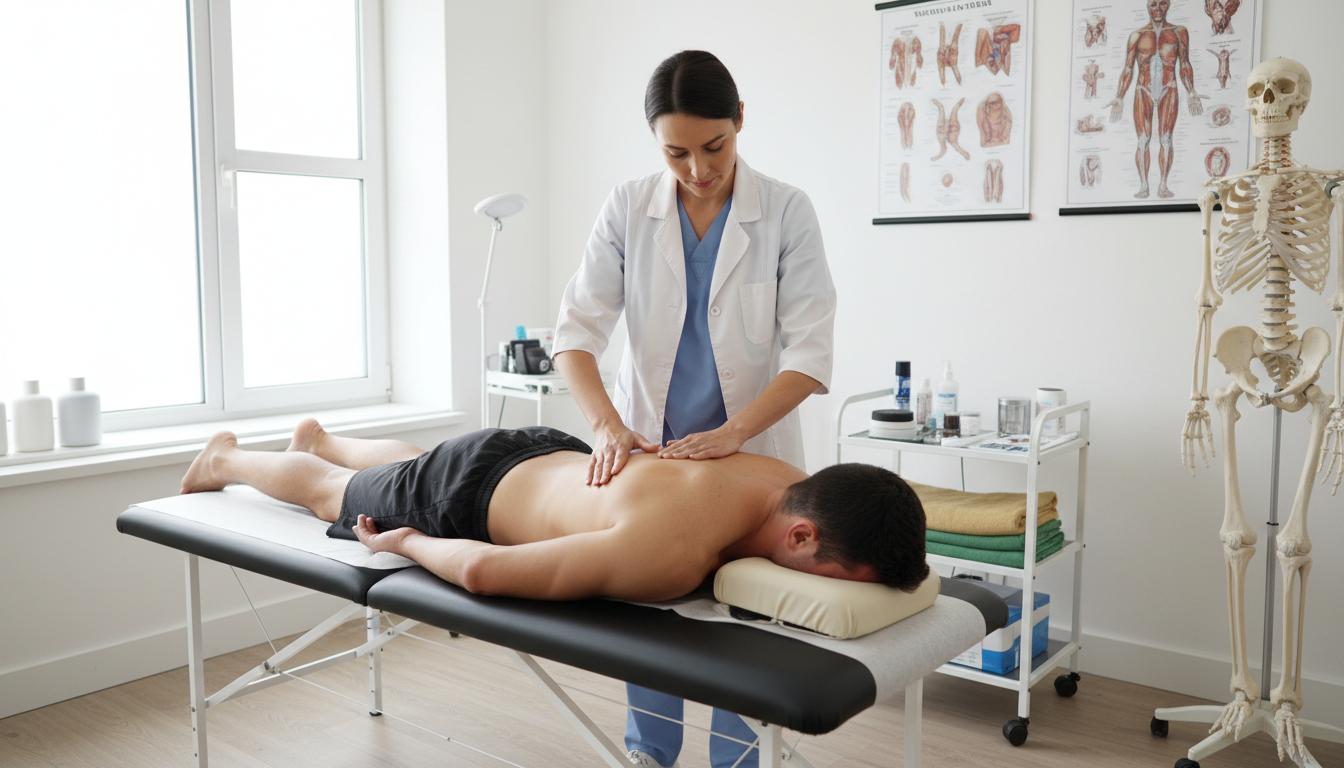
First appointments are usually 60–75 minutes. You’ll fill out a health questionnaire and have a conversation about your history: where it hurts, what makes it better or worse, past injuries or surgeries, medical conditions, medications, work demands, sports, sleep, stress, and goals. The practitioner should ask screening questions to ensure manual therapy is appropriate and safe.
Assessment includes observation (posture, gait), movement testing (how your spine, shoulders, hips move), palpation (feeling how tissues glide and guard), and specific tests to rule out more serious conditions. You’ll likely remain dressed in comfortable clothing that allows movement. For some techniques you may be asked to change into shorts or a gown; you can always decline and request alternatives.
Consent comes next. A transparent practitioner explains the options and why they recommend a particular approach. If high-velocity neck manipulation is proposed, they should discuss the low but real risks, alternatives, and your preferences. You can say no to any technique—consent is ongoing and can be withdrawn at any time.
Treatment blends gentle mobilizations, soft tissue work, and targeted exercises. Expect pauses as they check in with you and reassess changes. At the end, you’ll get suggestions you can control at home: positions to rest in, movement snacks for your workday, one or two simple exercises tied to your goals, and clear guidance on when to follow up.
How many sessions will you need?
For mechanical aches and pains, many people notice meaningful change within 2–4 visits over 2–6 weeks, coupled with home exercises and activity modification. Stubborn cases may take longer. If nothing is changing after a few sessions, a good practitioner will shift the approach, refer for imaging or medical assessment if indicated, or recommend a different provider. You shouldn’t be locked into a long plan without checkpoints.
After-effects and self-care
- Mild soreness or fatigue for 24–48 hours is common, like the day after a new workout. Gentle movement, a warm shower, or heat often helps.
- Stay hydrated if you feel headachy, but there’s no need to “flush toxins.” The benefit comes from movement and time, not forced detoxing.
- Keep moving. Short walks or easy range-of-motion exercises maintain gains from the session.
- Resume normal activity as comfortable. If pain spikes sharply or new symptoms appear (e.g., numbness, severe headache after neck treatment), contact your practitioner or seek medical advice promptly.
Safety: Realistic Risks and How to Minimize Them
Most osteopathy techniques are low risk when delivered by well-trained practitioners. The most common side effect is temporary soreness. More serious adverse events are rare but deserve attention.
- Neck manipulation: High-velocity thrusts to the neck have been associated, in rare cases, with arterial injury and stroke. The absolute risk is very low, but because the outcome is serious, it’s essential to discuss risks and alternatives. If you’re uncomfortable with cervical thrusts, ask for mobilization and exercise-focused care instead.
- Osteoporosis and fragile tissues: For older adults with low bone density, thrust techniques and aggressive end-range loading are usually avoided. Gentle mobilizations and soft tissue work are safer.
- Anticoagulants and bleeding risk: If you take blood thinners, inform your practitioner. They’ll modify techniques to reduce bruising or bleeding risk.
- Pregnancy: Many people get relief from pregnancy-related back and pelvic pain with modified positions and gentle work. Supine positioning is adjusted later in pregnancy, and intensity is scaled to comfort.
- Post-surgical care: Manual therapy can help with stiffness and scar mobility when the surgeon clears you. Avoid direct work over fresh incisions and observe post-op restrictions.
- Infants and children: If you’re considering osteopathy for a baby, make sure the practitioner has specific pediatric training, uses very gentle techniques, and coordinates with your pediatrician. For medical concerns like poor weight gain or persistent vomiting, see a physician first.
Above all, open communication is protective. Tell your practitioner if something doesn’t feel right. Pause the session. Adjust or stop. No good clinician will push through your discomfort without a clear reason and your consent.
Osteopath vs. Physiotherapist vs. Chiropractor vs. Massage Therapist
In many Canadian clinics, these professions work side by side. Their skill sets overlap, but each has its culture and strengths.
- Osteopathic manual practitioner: Broad, integrative manual approach across joints, muscles, fascia, and fluid dynamics. Emphasis on subtle assessment and whole-body relationships. Exercises are often simple and individualized rather than protocol-driven.
- Physiotherapist: Strong emphasis on exercise prescription, graded exposure to activity, and evidence-based protocols for specific injuries. Manual therapy is part of many physio practices, along with modalities (e.g., needling) depending on regulation.
- Chiropractor: Training includes spinal manipulation and diagnosis of mechanical disorders. Some chiropractors focus on adjustments; others integrate soft tissue work and rehab exercises extensively.
- Massage therapist: Focus on soft tissue techniques. In provinces where massage therapy is regulated (e.g., Ontario, BC, New Brunswick, Newfoundland and Labrador), RMTs have defined scopes and often work closely with other providers.
The right choice depends on you: your condition, your preferences, and what has helped before. Many Canadians mix and match—seeing an osteopathic manual practitioner for nuanced manual work, a physiotherapist for a progressive exercise plan, and an RMT for tension relief. If care feels siloed, ask your providers to coordinate. You’re the hub.
Integrating Osteopathy with Everyday Life: Practical Tips
Manual therapy helps most when the gains are reinforced in daily life. A few small changes can keep you moving better between appointments.
- Movement snacks: Every 30–45 minutes of sitting, do one minute of shoulder rolls, chin tucks, or a brief walk. A little often beats a lot rarely.
- Sleep setup: If you’re a side sleeper with hip pain, try a pillow between your knees. For neck pain, pick a pillow that fills the space between your shoulder and head without forcing a tilt.
- Load management: Ramp up running distance or lifting volume gradually (10–20% per week). Sudden spikes invite tendons and joints to complain.
- Workstation tweaks: Screen at eye height, elbows near 90 degrees, feet supported. If you’re on a laptop, use a stand and external keyboard.
- Breath and bracing: For people who guard their backs, learning to breathe low and wide can dial down baseline tone. Your practitioner can coach this in a minute or two.
- Simple strength: Two or three light full-body sessions per week, even 15 minutes each, help pain more than endless stretching. Think dead bugs, bird dogs, split squats, and rows.
Education and Career Paths: DO vs. DOMP in the Canadian Context
Curious about who does what behind the letters?
Osteopathic physicians (DOs) train in the United States. They complete a four-year medical program covering the full spectrum of medicine, including additional hours in osteopathic principles and OMT. After medical school, they enter residency in fields like family medicine, internal medicine, emergency medicine, surgery, pediatrics, and more. In Canada, they are licensed by provincial physician colleges to practise medicine. Many DOs do not provide hands-on OMT in day-to-day practice, but some do—particularly in primary care and sports medicine settings.
Osteopathic manual practitioners train in private colleges or schools, typically part-time over 3–5 years or full-time for shorter periods, culminating in a diploma (e.g., DOMP). Programs vary significantly in length, curriculum depth, and clinical supervision. Because manual osteopathy is not a regulated profession in most provinces, there is no single standardized national accreditation. Reputable programs emphasize anatomy, physiology, pathology, palpation, clinical reasoning, red flag screening, and supervised practice. When choosing a practitioner, asking about program hours, supervised clinical time, and ongoing continuing education is fair and wise.
A Caution on Claims: What Manual Osteopathy Can and Can’t Do
Manual therapy can ease pain, improve mobility, and help you return to the activities you care about. It cannot realign bones permanently, reset organs, or cure systemic diseases. If someone promises to fix your posture forever in one session or to treat internal medical conditions with a few gentle holds, press for evidence and a plausible mechanism. Plain explanations are a good sign; mystical ones, less so.
Realistic Care Plans: From First Flare to Maintenance (If You Want It)
Imagine a desk worker in Vancouver with new low back pain after a busy quarter-end. A sensible plan might look like this:
- Week 1: Initial visit (60–75 minutes). Rule out red flags, do a thorough assessment, provide 15–25 minutes of manual therapy to reduce guarding, and teach two easy exercises plus strategies for sitting and microbreaks.
- Week 2: Follow-up (45–60 minutes). Progress exercises, targeted manual therapy for lingering restriction, and pacing for walking. If pain is improving, stretch appointments to every 1–2 weeks.
- Weeks 3–6: Two or three additional sessions as needed, layered with light strength work at home or with a physiotherapist. If pain relapses with stress, triage quickly with a focused 30–40 minute session.
Some people like an occasional “tune-up” visit when workloads spike or training loads climb. That’s personal preference, not a requirement. The best sign you’re getting value is this: you’re doing more of what matters with less pain, and you understand how to keep it going yourself.
Examples Across Canada: How People Use Osteopathy
Toronto: A software developer in Liberty Village books a DOMP for neck and shoulder pain from hybrid work. Their extended plan from Sun Life covers $750 per year for osteopathy when the provider belongs to a recognized association. After three visits and a short daily exercise routine, headaches decrease and gym sessions feel easier.
Calgary: A runner builds up too fast before the Calgary Marathon and flares their Achilles. They see a manual osteopath for calf soft tissue work and ankle mobility, while a physiotherapist oversees a graded run-walk plan. Complementary roles, quicker return.
Montreal: A pregnant client in Mile End struggles with rib and pelvic pain. A bilingual osteopathic manual practitioner uses side-lying and seated positions, avoiding supine pressure late in pregnancy. Home tips focus on sleep positions and gentle mobility—huge relief.
Halifax: A teacher with mid-back tightness alternates between an osteopathic manual practitioner for rib and thoracic mobility and an RMT for deep tissue work. Their benefits split across both so coverage lasts longer through the year.
Documentation, Privacy, and Receipts
Even outside regulated professions, good practice includes proper documentation and respect for privacy. Expect your osteopathic manual practitioner to keep confidential notes summarizing your history, assessment, treatment, and plan. Ask how your data is stored, who can access it, and how long it’s retained. Many Canadian clinics use secure electronic health record systems; paper charts should be stored safely.
Receipts should include the practitioner’s name, title/credential, association membership number, clinic address, date, service provided, fee, and tax number if applicable. If your insurer needs specific wording (e.g., “osteopathy” not “manual therapy”), tell the clinic in advance.
When to Pause Care and Reassess
Hands-on care should be responsive. Consider a new plan if:
- After 2–4 sessions, there’s no meaningful change in pain, movement, or function.
- Symptoms worsen steadily or new neurological symptoms appear.
- You feel dependent on passive care without learning self-management strategies.
- The plan doesn’t reflect new information (e.g., imaging results, medical findings).
Your practitioner should be comfortable referring you to your family physician, a sports medicine clinic, or another manual therapist if that’s your best next step.
How to Verify a Provider in Your Province
Physicians (DO/MD): Use your provincial College of Physicians and Surgeons public register. Search by name and city. The listing shows licence status, practice location, and sometimes restrictions.
Osteopathic manual practitioners: Because provincial regulation is limited, verification relies on professional associations, school credentials, and insurer recognition. Practical steps:
- Ask for the exact credential (DOMP, DO(MP), other) and the school’s full name.
- Ask about program length (in years), total hours, supervised clinical hours, and examination process.
- Confirm that your insurance plan recognizes the practitioner’s association for reimbursement.
- Look for transparent bios with continuing education and special interests (e.g., pregnancy care, sports injuries, persistent pain).
Techniques Explained: What They Feel Like and Why They’re Used
| Technique | What it feels like | Why it’s used | Common alternatives |
|---|---|---|---|
| Soft tissue | Slow, pressure-based massage with holds and stretches | Reduce muscle guarding and improve tissue glide | Instrument-assisted tools, heat, self-massage with a ball |
| Joint mobilization | Gentle, rhythmic movement within a comfortable range | Decrease stiffness, improve joint nutrition | Active movement drills, contract-relax (MET) |
| HVLA thrust | Quick, precise push; may hear a pop | Restore motion and reduce pain via neuromuscular effects | Mobilization, exercise-based end-range loading |
| Myofascial release | Gentle, sustained stretch with minimal movement | Ease connective tissue restriction and sensitivity | Active mobility, eccentric loading exercises |
| Muscle Energy (MET) | Light pushing against resistance, then a release | Improve range, recalibrate tone | PNF stretching, isometrics, positional release |
| Lymphatic techniques | Very light, broad, rhythmic contacts | Encourage fluid movement, reduce congestion | Compression garments, elevation, active muscle pumping |
Special Populations: Tailoring Osteopathy
Pregnancy and postpartum
Back, rib, and pelvic discomfort are common with the postural and hormonal shifts of pregnancy. Manual osteopathy can offer gentle relief with side-lying, seated, or supported positions, and by avoiding prolonged supine time later in pregnancy. The focus is often on rib mobility for breath comfort, pelvic floor-friendly strategies, and simple home movements. Postpartum, care keeps an eye on scar mobility (e.g., C-section), lifting mechanics, and reintroducing core strength gradually.
Older adults with osteoporosis
Age and bone density change how the body tolerates load. Practitioners should avoid end-range, high-velocity thrusts and focus on comfortable mobilization, soft tissue work, and balance-friendly exercises. The bigger win often comes from a progressive strength plan (safely taught) that supports independence and confidence.
Athletes and active folks
Runners, lifters, and weekend warriors often need help juggling load, recovery, and technique. Osteopathic manual therapy can address mobility and tissue irritability while your coach or physiotherapist adjusts programming. Communication across the team prevents the stop-start cycle that derails progress.
Questions to Ask an Osteopathic Manual Practitioner Before You Book
- What is your credential (DOMP/DO(MP)) and where did you train? How long was the program and how much supervised clinic time did you complete?
- Which association are you a member of, and do major insurers in this province recognize it?
- Do you often treat conditions like mine? What does a typical plan look like?
- How do you decide which techniques to use? If I prefer no neck thrusts, what are my options?
- What can I do at home to help between sessions? How many visits do you expect before we reassess?
- Will your receipts have everything my insurer needs?
Cost-Saving Tips for Canadians Using Osteopathy
- Check policy rules first: Some insurers require specific associations or credentials for reimbursement. Avoid surprise denials.
- Start with a clear goal and a short trial: Two or three visits, then reassess. If you’re improving, you’ll know. If not, pivot early.
- Split benefits strategically: Alternate osteopathy with physiotherapy or massage if coverage limits are tight and you benefit from a blend.
- Ask for focused sessions: Not every visit needs a full hour. A 30–40 minute follow-up can be efficient and cost-effective.
- Prioritize home strategies: The exercises and habits you keep beat any hands-on work you buy.
Common Myths, Debunked
- Myth: “My spine is out of place and needs constant realigning.” Reality: Backs are robust. Joints don’t pop out and back in during daily life. Pain often reflects sensitivity and guarding, not bones slipping.
- Myth: “Manual therapy flushes toxins.” Reality: The body clears metabolic by-products well on its own. Soreness after treatment is more like workout soreness—not toxins leaving.
- Myth: “If treatment hurts a lot, it must be working.” Reality: A bit of “good” discomfort can be okay, but sharp pain isn’t required and can backfire. Gentle and precise often works better.
- Myth: “I need weekly adjustments forever.” Reality: Ongoing care is a choice, not a rule. Sustainable progress comes from a plan you can carry without dependency.
Legal and Ethical Touchstones You Can Expect
- Informed consent: Risks, benefits, and alternatives explained in language you understand.
- Privacy: Secure storage of your records and respectful handling of personal information.
- Boundaries: Clear draping, explanations before hands-on contact, and your consent for any sensitive areas.
- Referrals: Willingness to involve your family physician, physiotherapist, or other providers when that helps your care.
When “Osteopath” Means “Physician” in Canada
Because the term overlaps, a quick recap helps: If your provider is a DO (Doctor of Osteopathic Medicine) licensed by your provincial College of Physicians and Surgeons, they are a physician. They can order tests, prescribe, and refer within the public system. In a family practice or sports medicine clinic, they may blend standard medical care with osteopathic manipulative treatment (OMT) when appropriate. If you book an appointment with a manual osteopath in a private clinic, you’re seeing a non-physician manual therapist. Both can be valuable; the key is matching the provider to your needs and understanding the scope.
Putting It All Together: A Simple Decision Tree
- Do you have red flags (severe, unexplained symptoms; neurological changes; major trauma)? If yes, seek medical assessment first (family doctor, urgent care, ED as needed).
- Is your issue mainly mechanical pain or stiffness without red flags? If yes, consider an osteopathic manual practitioner, physiotherapist, chiropractor, or RMT. Choose based on preference, availability, and coverage.
- Do you prefer a physician-led assessment with the option of hands-on OMT? Look for an osteopathic physician (DO) or a sports medicine/family physician skilled in manual techniques.
- After 2–4 sessions, check progress. If you’re not improving, adjust the plan or switch providers. Results guide decisions.
Frequently Asked Questions
What’s the difference between an osteopath and an osteopathic physician in Canada?
In Canadian usage, “osteopath” often refers to a non-physician osteopathic manual practitioner (DOMP/DO(MP)) who provides hands-on therapy but does not diagnose medical conditions or prescribe. An osteopathic physician is a U.S.-trained DO who is a licensed medical doctor in Canada and may use osteopathic manipulative treatment alongside standard medical care.
Do I need a referral to see an osteopathic manual practitioner?
No referral is required. You can book directly. Some insurance plans ask for a doctor’s note for reimbursement, but many don’t. Check your benefits booklet or call your insurer.
Is osteopathy covered by provincial health plans like OHIP, RAMQ, or MSP?
Manual osteopathy is not covered by provincial health plans. Care provided by physicians (MDs or DOs) may be publicly insured when delivered as part of insured medical services. Extended health benefits often cover manual osteopathy up to an annual maximum.
How much does an osteopathy session cost in Canada?
Expect about $120–$210 for an initial 60–75 minute visit and $95–$170 for 45–60 minute follow-ups, depending on the city and practitioner experience. Taxes (GST/HST) often apply to manual osteopathy.
How many sessions will I need?
Simple mechanical issues often improve within 2–4 visits when combined with home exercises and activity changes. Stubborn or long-standing problems may take longer. If you don’t notice meaningful change after a few sessions, revisit the plan.
Is osteopathy safe?
For most people, yes. The most common side effect is temporary soreness. Serious complications are rare. High-velocity neck manipulation carries a small risk of arterial injury; discuss risks and alternatives and choose techniques you’re comfortable with.
What should I wear?
Comfortable clothing you can move in—athletic wear works well. You may be asked to change into shorts or a gown for certain assessments; you can always request modifications.
Can osteopathy help during pregnancy?
Many pregnant people find relief for back, rib, and pelvic discomfort with gentle, modified techniques and practical home advice. Positioning is adjusted for comfort and safety. Always inform your practitioner that you’re pregnant.
Are osteopathy receipts accepted by insurers like Sun Life, Canada Life, and Manulife?
Often, yes—but only if the practitioner is a member of an association the insurer recognizes. Policies vary. Confirm your plan’s requirements and verify the practitioner’s association before booking.
What if I’m seeing a physiotherapist or chiropractor already?
That’s common. Many people benefit from a blend: manual therapy to calm things down, plus targeted exercise to build capacity. Ask your providers to coordinate so you’re not duplicating care.
Will I be charged GST/HST on osteopathy?
Usually, yes for manual osteopathy, because the profession isn’t regulated in most provinces. Physician-delivered services are generally tax-exempt. Ask your clinic how they handle tax and check CRA guidance if you’re unsure.
How do I verify if someone is a doctor (DO) in my province?
Search the public register of your provincial College of Physicians and Surgeons (e.g., CPSO in Ontario, CPSBC in BC, CPSA in Alberta, CMQ in Quebec). Listings show licence status and practice details.
Is craniosacral therapy part of osteopathy?
Some osteopathic manual practitioners use cranial or craniosacral techniques. Evidence is mixed. If you’re considering it, ask how it would help your specific condition and what alternatives exist.
Can osteopathy fix my posture?
It can reduce pain and make moving feel easier, which often makes posture more comfortable. But posture isn’t a single “correct” position. The target is tolerance and variety—being comfortable in more positions for longer—rather than a perfect static pose.
What’s the best way to find a good osteopathic manual practitioner near me?
Search locally, then screen by credential (DOMP/DO(MP)), association membership, insurer recognition, and how clearly they explain their approach. Read a few reviews, but prioritize a direct conversation about your goals and their plan.
Do osteopaths work with imaging like X-rays and MRIs?
Manual practitioners don’t order imaging, but they can review reports you bring and adjust care accordingly. Physicians (DO/MD) can order imaging when medically indicated.
Can children receive osteopathy?
They can, with modified, gentle techniques. For infants and children, ensure the practitioner has pediatric training and that medical issues are assessed by a pediatrician or family physician first.
How long are appointments?
Initial assessments are usually 60–75 minutes. Follow-ups range from 30 to 60 minutes depending on clinic style, complexity, and your goals.
Do I have to keep going forever?
No. A good plan teaches you enough that you can taper visits and manage well on your own. Ongoing care is optional, based on your preference and how your body responds to life and training loads.
Final Thoughts
In Canada, “osteopath” can mean a hands-on manual therapist or a fully licensed physician trained in the U.S. Both can play a helpful role in musculoskeletal care. The crucial step is knowing who you’re seeing, what they can do, and how their approach fits your needs and your coverage. Ask clear questions. Expect clear answers. And look for care that helps you move more, worry less, and get back to the parts of your life that make you feel like yourself.