
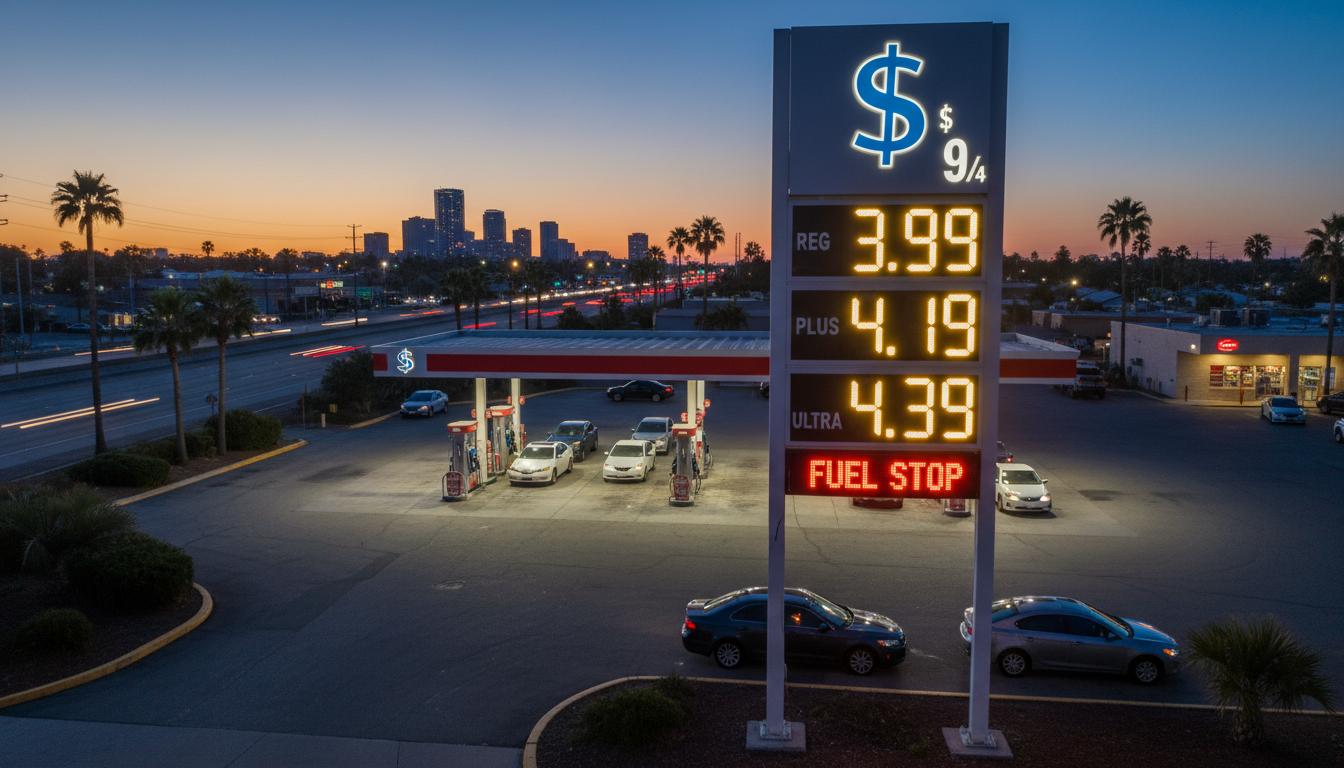
You’ve got places to be. The tank’s low, the dashboard range is taunting you, and the sign at the corner seems higher than last week. You open your phone and type “gas prices near me,” hoping for a quick win. This guide is built for that exact moment—clear, data-driven, and grounded in how pricing actually works in Canada. You’ll learn how to reliably find the cheapest station nearby without a wild detour, what drives price swings from Vancouver to St. John’s, when to fill up (and when to wait), how Canada’s tax and carbon systems shape the price on the pump, and smart ways to shave real dollars off your monthly fuel spend.
Whether you’re in the GTA, the Lower Mainland, Halifax, or a town off the Trans-Canada, the playbook below will help you read the market around you, pick your spot, and keep a little more money in your pocket—without wasting a drop.
How to quickly find the cheapest gas near me today
When you’re on the move, you need speed and reliability. Real-time data beats guesswork. Here’s how to get accurate local fuel prices—and make them work for you.
Use Canadian-friendly price tools (and read them critically)
Start with a real-time price app or map, then double-check the timestamp before you drive:
- GasBuddy: The most widely used crowd-sourced tool in Canada. Look for “updated X minutes ago” under each station. Recent updates (under two hours) are trustworthy; older ones are riskier during price jumps.
- Google Maps: Increasingly shows “price per litre” right on station tiles. It doesn’t show every price, but when it does, updates tend to be timely.
- Waze: User-submitted prices; useful if you’re already navigating through traffic.
- Station apps and loyalty programs:
- Costco (members only): Posts fuel prices at many warehouses; usually lower, but factor in lineups and travel time.
- Petro‑Canada, Esso/Mobil, Shell, Ultramar/Journie Rewards: Station locators sometimes include local prices or discounts.
- CAA: Regional clubs occasionally publish price dashboards or alerts and share saving tips for members.
Pro move: Compare two nearby stations from different brands within the same hour. If both show updated prices and the gap is 5–8 cents per litre (cpl) or more, you’ve likely found a legitimate outlier. If the cheaper one was updated yesterday, assume it may have already moved.
Timing matters: the best hours and days to fill up (by region)
Gas prices don’t float randomly; they follow patterns, and these patterns differ across Canada. A little timing can save a lot of cents per litre.
- Ontario and much of Quebec: Prices often “reset” upward early in the morning (around 6–9 a.m.), then drift down during the day or over several days. If you notice a big morning jump across multiple brands, consider topping up the evening before next time. In parts of the GTA and Ottawa, late evening or very early morning before a predicted hike can be the sweet spot.
- Atlantic Canada (NL, NS, NB, PE): Prices are regulated and typically adjust weekly on a set schedule (commonly Thursday at midnight, with occasional interruptions). If you can wait until the new rate posts—and it’s a decrease—fill up after the reset. If an increase is coming, beat the clock the day before.
- British Columbia’s Lower Mainland: Prices can be sticky and influenced by regional taxes and supply constraints. Watch for weekend bumps before travel peaks. Early weekday fills often beat Friday afternoons.
- Prairies (AB, SK, MB): Prices can be steady for stretches, then move sharply based on wholesale changes. Refill when your preferred station lags a known citywide increase by a few hours.
- Northern communities: Price changes are less frequent but larger, due to freight and seasonal supply. When prices drop, it’s worth topping up even if you’re at half a tank.
Rule of thumb that works in most big cities: If you see a spread of 6+ cpl within a few kilometres, buy now at the low point. If everything moved up in lockstep this morning, topping just enough to get you to the next day can pay off when the dip returns.
Map-savvy strategies that actually save money
Fuel savings disappear if you burn them driving out of your way. Use this quick calculus:
- The 3‑kilometre rule: In urban areas, ignore any “deal” more than 3–4 km off your route unless the price gap is unusually large (10+ cpl).
- Baseline price check: Before you leave, check the range of prices within 5 km of your starting point and your destination. You’ll quickly see if it’s better to fill near home or near work.
- Big-box bias: Costco, some Canadian Tire Gas+, and high-volume independents often undercut branded stations. But don’t blindly chase them—lineups and detours eat savings fast.
- Highway vs side street: Stations just off major highways and near airports often charge more. One exit or two into town can mean a 4–8 cpl drop.
- Metro borders matter: In places like Ottawa–Gatineau or Lloydminster (AB/SK), crossing a provincial line can change taxes. Always compare before you cross.
Use your app’s “sort by price” and “near me” filters, but keep an eye on the timestamp. If everything’s stale, drive past one station and glance at its street sign; that quick data point can validate (or debunk) the map.
What actually sets the price on the pump (Canadian edition)
The price on the sign isn’t a guess. It’s built from layers of costs, taxes, and market forces—some global, some hyperlocal. Understanding these layers helps you predict where prices will land next.
The building blocks of a litre of gasoline
Every litre you buy combines several components. Think of them as slices of a pie that expand and contract over time:
| Component | What it covers | Why it changes |
|---|---|---|
| Crude oil | Cost of the raw feedstock refined into gasoline | Global supply/demand, geopolitics, OPEC+ decisions, seasonality |
| Refining and wholesale (rack price) | Converting crude to gasoline and moving it to terminals | Refinery outages/maintenance, gasoline “crack spread,” seasonal specs |
| Distribution and retail margin | Trucking, local storage, station operations, card fees, profit | Local competition, traffic, station volume, brand strategies |
| Federal excise tax | Per‑litre fixed charge on gasoline | Set by law; doesn’t change with oil prices |
| Provincial/municipal fuel taxes | Per‑litre fuel taxes; some cities add transit surcharges | Set by provincial/municipal governments; varies by region |
| Carbon price | Charge tied to greenhouse gas emissions | Varies by province/territory and federal framework |
| Sales tax (GST/HST/QST) | Percentage applied to the subtotal (tax-on-tax effect) | Follows the province’s sales tax rules |
Two parts move the most day-to-day: the wholesale gasoline price (influenced by oil and refining spreads) and the retail margin. Taxes are steadier, but they amplify price swings because percentage-based sales taxes apply after per-litre taxes are added.
Taxes and carbon pricing in Canada: what to know
Across Canada, the tax mix differs, but a few basics hold true:
- Federal excise tax: A fixed charge per litre of gasoline (and a different rate for diesel). This is applied before sales taxes.
- GST/HST: The 5% federal GST applies in provinces without HST; HST applies where harmonized (for example, 13% or 15%, depending on the province). Sales tax is charged on the total price, including federal excise and other per‑litre taxes.
- Provincial/municipal fuel taxes: Each province sets its own per‑litre fuel tax rates. Some cities layer on local taxes for transit—Metro Vancouver is a well-known example.
- Carbon pricing:
- Some provinces (e.g., British Columbia) operate their own carbon tax systems.
- Quebec participates in a cap‑and‑trade system that influences fuel prices.
- In provinces/territories under the federal “backstop,” a federal fuel charge applies at the wholesale level and flows into the retail price.
Because the specific rates can change, always refer to your provincial/territorial government and the federal government’s current postings for exact figures. One more wrinkle: sales taxes often apply after all per-litre taxes and charges are added, so the “tax-on-tax” effect is real.
Indigenous tax exemptions: In some provinces, eligible First Nations individuals with the required documentation may receive point‑of‑sale exemptions for certain provincial taxes on-reserve. Policies differ by province, so check the relevant provincial finance ministry and retailer rules.
Wholesale and supply factors that move prices
Retailers don’t set prices in a vacuum. These upstream forces ripple through quickly:
- Global crude benchmarks: West Texas Intermediate (WTI) and Brent guide crude costs. Canada exports and imports crude; the mix and location matter.
- Exchange rate: Wholesale gasoline and crude are priced in USD; a weaker Canadian dollar usually pushes pump prices up.
- Refining capacity and outages: Maintenance turnarounds in spring/fall or unplanned shutdowns can tighten supply. Regional refineries matter: Burnaby (BC), Edmonton/Fort Saskatchewan (AB), Sarnia/Nanticoke (ON), Montreal and Lévis (QC), Saint John (NB). Closures and conversions (such as Atlantic facilities shifting to renewable fuels) can reshape local supply chains.
- Pipeline and marine logistics: Pipelines (e.g., Enbridge Mainline, Trans Mountain) and marine deliveries feed terminals. Bottlenecks or expansions change regional dynamics, especially on the West Coast and Atlantic Canada.
- Seasonal gasoline blends: Summer-grade fuel (with lower volatility) costs more to make than winter blends. The switchovers, plus driving season demand, often lift prices in late spring and early summer.
Regional quirks and regulation Canadians should know
- Atlantic price regulation: Provinces in Atlantic Canada regulate maximum prices and adjust them on a set schedule (usually weekly), with potential interruptions for sudden market moves. Expect fewer mid‑week surprises, but changes can be sharper on reset days.
- Quebec price floors: Quebec uses formulas that include minimum margins in some zones, which can limit deep undercutting.
- Northern pricing: Territories and some remote communities use government-managed purchasing and seasonal resupply. Prices can be high but change infrequently.
- Local transit taxes: The Metro Vancouver region adds a dedicated per‑litre transit levy, which helps explain why prices there run higher than nearby regions without it.
Why gas prices end in .9 cpl and how receipts get weird
Most stations post prices like 169.9 cpl. That “.9” is a holdover known as the mill, a tenth of a cent. It’s legal and standard across Canada. If you pay cash, your total is rounded to the nearest five cents because pennies are gone, but your electronic receipt will still show the exact price per litre multiplied by litres dispensed, including the 0.9.
City-by-city snapshots: what to expect and where to look
Local rules of thumb help you act fast. Here’s how “gas prices near me” typically plays out across major Canadian regions.
Greater Toronto Area and Southern Ontario
Pattern: Predictable daily moves are common. When wholesale costs rise, many stations lift prices early morning. Discounts often creep in later that day or mid‑week as retailers compete.
Where to look:
– Large suburban corridors (e.g., Mississauga, Brampton, Scarborough, Vaughan) often have pockets of competition that push prices down a few cpl.
– Costco locations can be leaders, but queues may neutralize savings if you’re in a rush.
– Avoid stations right off the 401 or 403 when a cheaper option sits two minutes into town.
Pro tip: If you sense a morning citywide hike, top up the evening prior. If prices have drifted lower for a couple of days, don’t wait for perfection—retailers might reset upward tomorrow.
Montreal and Quebec City
Pattern: Pricing can be relatively stable until a coordinated reset, then competitive again within allowed margins. Local minimums can limit dramatic undercutting.
Where to look:
– Competitive clusters in suburbs and near big-box retail zones.
– Costco often leads in Laval, the South Shore, and certain Montreal boroughs—again, watch for lines.
– Check both sides of bridges; a few minutes of driving can reveal better prices depending on the day.
Pro tip: In denser boroughs with higher operating costs, you’ll often pay more. If a detour to a suburban strip mall station is short, it may be worth it.
Vancouver and the Lower Mainland
Pattern: Historically among the highest prices in Canada due to regional taxes and supply. Jumps can arrive before long weekends and during peak travel seasons.
Where to look:
– Stations in Richmond, Surrey, and Langley can be lower than Vancouver proper due to local tax layers.
– Big-box and high-volume independents may undercut brand-name stations.
– The Fraser Valley can sometimes be a few cents cheaper than the urban core.
Pro tip: Plan ahead. If you know you’ll be crossing from Vancouver into a lower-tax municipality that day, top up there rather than settling for a pricey quick stop downtown.
Calgary and Edmonton
Pattern: Prices can be flatter for several days and then adjust in sync across brands. Wholesale changes—and competition along high-traffic corridors—drive most swings.
Where to look:
– Hypercompetitive strips in the southeast and northeast industrial areas, plus near large retail clusters.
– Costco often sets the local floor.
– Stations immediately off major expressways sometimes list higher prices than neighbourhood locations a few turns away.
Pro tip: If crude takes a sharp turn, expect the change to show up at stations within a day or two. Keep your app notifications on.
Winnipeg, Regina, and Saskatoon
Pattern: Pricing is sensitive to refinery and rack costs. You may see tidy stretches of stable pricing, then fairly brisk adjustments.
Where to look:
– Urban fringes with high-volume independents.
– Retail nodes anchored by big supermarkets.
– Costco and Canadian Tire Gas+ (with Triangle Rewards) can make a difference for regulars.
Pro tip: If you commute daily, map two or three “always competitive” stations on your route. Habit beats hunting.
Ottawa–Gatineau cross-provincial quirks
Pattern: Two tax regimes face each other across a river. Prices sometimes diverge by several cpl.
Where to look:
– Check both Ottawa and Gatineau in your app if you’re crossing for work.
– Suburban corridors (Orléans, Barrhaven, Gatineau’s east end) can be less than urban cores.
Pro tip: If the difference is small, stick to your side and save the time. If it’s 5–8 cpl or more and you’re already crossing, fill up where it’s lower.
Atlantic Canada: Halifax, Saint John, St. John’s, Charlottetown
Pattern: Regulated maximums with weekly resets. Station-to-station variance is modest within a city, but you may see differences across rural zones due to transport allowances.
Where to look:
– Urban stations with high turnover, especially near big retail clusters.
– If a mid‑week interruption is announced (due to market volatility), expect immediate changes at midnight.
Pro tip: Know your reset day and time. If the announced change is an increase, refuel before the clock rolls over.
Northern realities: Whitehorse, Yellowknife, Iqaluit
Pattern: Prices are set or heavily influenced by government procurement, seasonal marine shipments, and long-distance trucking. Fewer changes, bigger jumps.
Where to look:
– There may be limited station choice. Build refuelling into your weekly errands.
– Top up ahead of expected seasonal shifts or after public notices.
Pro tip: Keep an extra buffer in winter. If a shipment is delayed, you won’t have the luxury of shopping around.
Diesel, premium, and alternative fuels: what changes the math
Your vehicle’s appetite matters. Diesel, premium gasoline, and specialty fuels follow their own rules.
Diesel prices near me: why they often differ
Diesel runs on a different seasonal cycle. Heating demand in colder months and global distillate markets can push diesel above gasoline in fall and winter. In spring and summer, the spread may narrow—or flip. For pickups and commercial vans, check stations that serve fleets (e.g., cardlock locations and highway-adjacent big stations), which sometimes sharpen diesel prices for volume.
Don’t forget DEF (diesel exhaust fluid): It’s cheaper in jugs at big-box stores than at the pump. If you’re filling DEF at a dispenser, compare the unit price to avoid sticker shock.
Premium gas prices: who actually needs 91–94?
Check your owner’s manual. “Required” means you should use the specified octane (often 91 AKI); “recommended” means the car can run on lower octane with reduced performance and possibly efficiency. Paying for premium when it’s not required usually isn’t worth it. If your turbocharged engine knocks or retards timing on regular, premium may restore power and smoothness—worth testing for a tank or two.
Ethanol blends, seasonal gas, and detergent standards
- Ethanol content: Regular gasoline commonly includes up to 10% ethanol (E10). Ethanol can slightly affect energy content per litre, but the real-world impact on economy is small for most drivers.
- Seasonal volatility: Winter gas helps cold starts; summer gas helps reduce smog. Transitions can tweak fuel economy and cost.
- Top Tier detergent gasoline: Many Canadian brands (including major retailers and some discounters) meet Top Tier standards, which specify higher detergent levels to keep engines clean. If you do mostly short trips, this can help prevent deposits over time.
Propane, E85, and renewable diesel
Propane autogas exists in pockets but isn’t widespread. E85 (high-ethanol) is rare in Canada and requires a flex-fuel vehicle. Renewable diesel availability is growing in specific markets and fleets but remains limited at retail. For most drivers searching “best gas prices near me,” regular unleaded is still the practical focus.
Smart fuelling habits that save real money
Cheaper posted prices help, but habits pay every week. These tactics don’t require spreadsheets or heroics—just common sense with a Canadian twist.
Plan your week—and refill before you’re desperate
Don’t wait for the low-fuel light. That’s when you’ll pay whatever’s on the next corner. Instead:
- Top up when you pass a known low-price station on your regular route.
- Use your app’s alerts and check the trend once or twice a week.
- Fill to full when you hit a real deal; buy half-tanks if the market is spiking and likely to fall soon.
Save without chasing pennies: the 3‑km and 10‑cpl rules
Keep two guardrails:
- Don’t drive more than 3–4 km out of your way for a small discount.
- If the gap is 10+ cpl and the detour is short, go for it. At 50 litres, that’s $5+ saved—worth a quick exit.
Lineups are part of the cost. If a Costco queue adds 15 minutes to your trip for a 3 cpl saving on 40 litres, you’re trading time for a dollar or two. Not always worth it.
Loyalty programs, credit cards, and stackable rebates
These add up—especially if you’re fueling a family fleet.
- PC Optimum at Esso and Mobil: Earn points redeemable for groceries or merchandise. Watch for bonus events.
- Petro‑Points (Petro‑Canada): Points on fuel and in-store; tie your card to a CAA membership for extra perks in some regions.
- Journie Rewards (Ultramar, Pioneer, Fas Gas, Chevron in BC): Cents-off offers after a set number of litres, plus targeted app discounts.
- Shell with AIR MILES (in participating provinces): Miles plus periodic fuel discounts; availability varies.
- Costco: Lower posted price is the main benefit; some credit cards offer additional cash back at warehouse fuel.
- Triangle Rewards (Canadian Tire Gas+): Collect Canadian Tire Money on fuel; periodic multiplier events.
- Cash back credit cards: Many Canadian cards pay 2–4% on gas. Read the fine print: monthly/annual caps, accelerated categories, and whether warehouse fuel earns the bonus.
Some stations offer a debit/cash discount or a different price for credit due to processing fees. It’s legal for retailers in Canada to surcharge for credit (within limits) or offer a lower cash price. Check the pump sticker. If there’s a gap, pay accordingly.
Vehicle tweaks and driving habits that cut your fuel bill
- Tire pressure: Set to the door‑jamb sticker, not the sidewall. A few PSI low costs real mileage—especially in winter.
- Oil and filters: Follow your maintenance schedule. A dragging air filter or old spark plugs can quietly burn extra fuel.
- Roof racks and cargo: Take them off when not needed. Aerodynamic drag at highway speed is a hidden tax.
- Gentle throttle: Smooth acceleration and steady speeds beat aggressive driving—less fuel and less brake wear.
- Idling: Many Canadian cities have anti‑idling bylaws. Beyond the tickets, idling simply wastes fuel. In winter, drive gently to warm the engine rather than extended idling.
- Trip chaining: Combine errands so the engine stays warm; cold starts burn more.
Highway vs city fueling: what to know
Long highway stretches can limit your choices. Plan ahead on road trips: identify a couple of towns along your route with competitive clusters. In cities, avoid the first station after a freeway exit unless your app confirms it’s fair. And for safety, always shut off your engine while fueling, avoid open flames, and ground portable containers before filling.
Safety, legality, and etiquette at the pump in Canada
Saving a few dollars isn’t worth a safety shortcut. A few Canadian-specific rules and best practices go a long way.
Storing and transporting gasoline
- Use approved containers: Portable gasoline containers must be approved (look for CSA/ULC or Transport Canada markings). Old paint cans or random jugs are a fire hazard and illegal to use for fuel.
- Fill on the ground: Set the container on the ground to prevent static buildup. Keep the nozzle in contact with the container spout while filling.
- Ventilation and temperature: Secure containers upright, tighten caps, and avoid leaving them in hot enclosed spaces. Fuel expands with heat.
- Ferries and tunnels: Canadian ferry operators and some tunnels restrict the number and size of jerry cans you can carry. Check operator rules before you travel.
- Home storage: Many condo and strata bylaws limit or prohibit storing fuel in parking areas. Even where allowed, keep volumes small and away from ignition sources.
Mobile phones, engines off, and unattended fueling
Modern pump areas are engineered for safety, but the basics still apply: engine off, no smoking, and stay at the nozzle. Use your phone for payment or maps, but don’t wander away watching videos while fuel flows. Some jurisdictions require attendants at specific stations or after certain hours; pay attention to posted instructions and prepay rules.
Paying safely: tap limits, PINs, and skimmer awareness
- Contactless caps: Tap payments may have per‑transaction limits; larger fills can require chip‑and‑PIN.
- Check the reader: Tug gently on card readers and look for mismatched plastics—classic signs of skimmers.
- Receipts and disputes: Keep your receipt or a photo of the pump display if something seems off. It helps resolve billing errors.
Calibration and complaints: who to call if the pump feels wrong
In Canada, Measurement Canada oversees fuel pump accuracy. Pumps are inspected and sealed at intervals; you’ll see certification stickers on the pump. If you suspect short‑measuring or a malfunction, note the station address, pump number, time, and your receipt, then report it to Measurement Canada and the station operator.
When crossing borders or provinces changes the math
A five‑minute drive can flip your total at the till—if you know where to look and what fees ride along.
Interprovincial edges: little distances, big differences
- Ottawa–Gatineau: Compare both sides daily; taxes and retail strategies vary.
- Lloydminster (AB/SK): The city straddles the border. Taxes differ; so can posted prices.
- BC Interior vs Lower Mainland: Regional surcharges make the coast pricier than communities just inland.
As always, factor in distance and traffic. A 7 cpl saving is nice; a 25‑minute detour is not.
Cross‑border to the U.S.: does it pay?
Sometimes it does, especially if the Canadian dollar is strong and local U.S. state taxes are low. But count everything:
- Exchange rate and card fees: Your bank’s foreign transaction fee can erase a chunk of the saving.
- Time and distance: Border waits and detours can turn a win into a wash.
- Declarations: Fuel in your vehicle’s tank for personal use isn’t typically an issue, but extra fuel in portable containers can trigger safety and customs rules. Check CBSA and the U.S. CBP before hauling jerry cans across.
In short, don’t cross solely for a fill unless you were going anyway and the gap is meaningful after fees and time.
How businesses and fleets keep fuel costs down
If you manage vehicles, little improvements scale quickly. Canadian fleets use a mix of tools and policies to keep costs in check without squeezing drivers to frustration.
Fleet cards and networks
- Esso, Shell, Petro‑Canada fleet programs: Centralized billing, per‑litre rebates, and controls (e.g., fuel type locked to vehicle, time-of-day restrictions).
- Cardlock networks: For diesel, cardlocks (e.g., Petro‑Pass, Esso Commercial, Co‑op) can deliver better pricing and easier access for large trucks.
- Data and alerts: Real‑time purchase alerts flag anomalies (premium in a vehicle that requires regular, refuelling twice in a day, etc.).
Policies that work without drama
- Idle policies: Set clear limits and give drivers tools (remote heaters, proper defrost procedures) so compliance is practical in Canadian winters.
- Route planning: Basic route optimization reduces both kilometres and fuel.
- Maintenance automation: Proactive reminders for tires, alignment, and tune‑ups prevent creeping consumption.
- Preferred station lists: Share two or three competitive stations near each depot or delivery zone—drivers make better decisions when the choice is simple.
Looking ahead: what could move gas prices this year
You can’t control the market, but you can watch the levers that tend to shift it.
Policy changes to monitor
Carbon pricing frameworks and provincial fuel tax policies can change. Governments occasionally introduce temporary tax holidays or adjustments, and the federal carbon price has followed a published schedule in recent years. Always check current federal and provincial postings for today’s rates and any announced changes.
Global supply and refining projects
Geopolitical tensions, OPEC+ decisions, and refinery outages still dominate short-term moves. On the West Coast, pipeline capacity and marine imports influence local rack prices; in Atlantic Canada, the state of regional refining and imports does the same. Hurricane season can swing prices in the fall by disrupting refineries along the U.S. Gulf Coast.
Seasonal patterns
Expect firmer prices in late spring as summer-grade fuel arrives and driving demand builds, some relief in shoulder seasons, and potential diesel strength in late fall and winter. Keep a little flexibility in your fill-up routine to catch the dips.
Common roadblocks and how to solve them fast
Sometimes the obstacle isn’t price—it’s friction. Here’s how to get unstuck.
- App shows an amazing price, but it’s old: Sort by “most recent” update or filter to stations updated within the last 12 hours.
- Payment keeps failing at the pump: Switch to an indoor terminal or try tap if chip/PIN fails. If your card is flagged, use debit and call your bank later.
- Nozzle keeps clicking off: Angle the nozzle differently or reduce flow. If it persists, switch to another pump—venting issues can be pump-specific.
- Station “out of regular”: Ask if midgrade is priced at regular (many do this when a grade is out). If not, check your app for the nearest alternative.
Putting it all together: a quick decision playbook
Use this 60‑second routine any time you search “gas prices near me” and need a fast, good answer:
- Open a trusted app (GasBuddy or Google Maps) and sort by price within 5 km.
- Scan timestamps; ignore updates older than 6–8 hours on volatile days.
- Note the spread. If a station is 6+ cpl cheaper and on your route, go there.
- Check the clock and day. If your city tends to reset prices early mornings, plan next fill accordingly.
- Glance at loyalty options. If two stations are tied, pick the one that stacks with your rewards or cash‑back card.
- Avoid long lineups unless the price gap is big. Your time has value.
FAQs: straight answers to your top questions about gas prices near me
Why do gas prices vary so much within the same city?
Stations buy fuel at different times and negotiate different wholesale terms. Local competition, traffic, and operating costs push margins up or down. Some retailers lead on price to drive volume; others hold higher prices and compete on convenience, loyalty, or brand.
What’s the best day and time to buy gas in Canada?
It depends on your region. In Ontario and parts of Quebec, early mornings often bring reset hikes, so late evening or the day before a known increase can win. In Atlantic Canada, weekly regulated changes mean you should time fills around the reset. Elsewhere, watch your local pattern for a couple of weeks; you’ll see a rhythm.
Is Costco gas always the cheapest near me?
Often, but not always. Costco commonly undercuts nearby stations, but if a high-volume independent responds, the gap can narrow. Consider lineups and detours—time and extra kilometres can erase savings.
Which app is best for finding the lowest gas prices near me?
For most Canadians, GasBuddy has the widest coverage, with Google Maps a strong second when prices are displayed. Waze helps if you’re already navigating. Station apps and loyalty programs are great for targeted discounts, even if they don’t always list live prices.
Why did prices jump everywhere at 7 a.m. today?
Retailers often adjust after overnight wholesale changes, particularly in markets with daily cycles. If you see a simultaneous citywide increase, it’s likely a wholesale move feeding into coordinated resets.
Are there legal protections against price gouging?
Canada’s Competition Act prohibits price fixing and anti‑competitive collusion. Some provinces have consumer protection rules for emergencies, and the Atlantic provinces regulate maximum fuel prices weekly. If you suspect illegal behaviour, you can contact the Competition Bureau. High prices alone aren’t illegal; collusion is.
What taxes are included in the pump price?
Your price includes federal excise tax, provincial/municipal fuel taxes, any applicable carbon charge, and sales tax (GST/HST, and QST in Quebec). Sales tax is applied to the subtotal, so there’s a tax‑on‑tax effect. Exact rates depend on where you buy.
Is it safe and legal to fill a jerry can in my trunk?
Use only approved containers, remove them from the vehicle, and place them on the ground before filling. Keep the nozzle in contact with the container to dissipate static, cap it tightly, and transport it upright. Check ferry, tunnel, and building rules—there are limits on how much portable fuel you can carry or store.
Why is diesel sometimes more expensive than gasoline?
Diesel competes with heating oil and jet fuel in the distillates market. Seasonal heating demand and global supply constraints can lift diesel prices, especially in fall and winter. In summer, the spread may narrow or invert.
Do I really need premium gasoline?
Only if your vehicle requires it. If your manual says “recommended,” you can usually run regular with a small performance trade‑off. If you hear knock or notice roughness on regular, try premium—some engines benefit under load or hot weather.
What’s with the .9 at the end of the price?
It’s a tenth of a cent, a long‑standing convention in Canada. Your electronic total reflects it exactly; cash totals round to the nearest nickel.
How do I report a gas pump that seems inaccurate?
Contact Measurement Canada. Note the station, pump number, time, and keep your receipt. They enforce pump accuracy and can investigate.
Is it worth crossing into the U.S. for cheaper gas?
Maybe—if you’re heading there anyway, the price gap is large after exchange and card fees, and the wait times are short. Don’t cross solely for fuel unless you’ve done the math. Portable fuel across borders adds complications; check rules first.
Are there anti‑idling laws I should worry about?
Many Canadian municipalities have anti‑idling bylaws with exceptions for extreme temperatures, traffic, or specific vehicles. Beyond the rules, idling wastes fuel and money. Warm the car by driving gently, not idling in the driveway.
What’s the smartest single change I can make to cut my fuel bill?
Pick a consistently low‑priced station on your regular route and stick with it, stacking a good cash‑back card or loyalty program. Combine that with proper tire pressure and fewer last‑minute fills, and you’ll see results quickly.
Final word: make “gas prices near me” work on your terms
You don’t need to obsess over charts to win this game. Use a trusted app, know your local pattern, keep two or three reliably cheap stations in your pocket, and time your fills so you’re never stuck paying the peak. Layer simple habits—tire pressure, gentle throttle, sensible detours—and you’ll turn a volatile line on a street sign into a manageable line on your monthly budget.
Next time the low‑fuel light flickers, you’ll already know where to go—and why.