
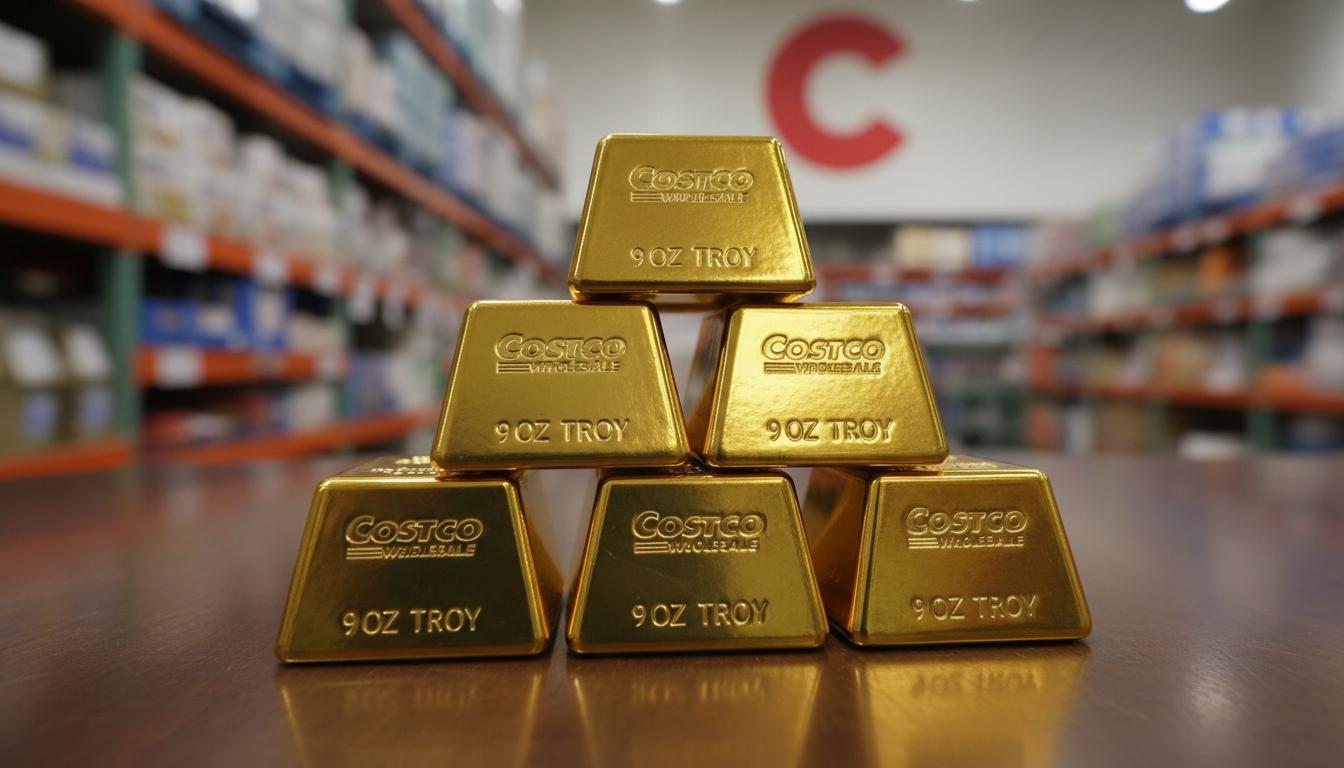
When Costco quietly started listing one‑ounce gold bars online in Canada, they sold out in minutes. That wasn’t a fluke. Canadians were hungry for a simple, trustworthy way to buy physical gold without navigating obscure bullion sites. But a gold bar is not a rotisserie chicken. It’s a serious purchase with real trade‑offs—pricing quirks, authentication, storage, taxes, and resale realities you should understand before you click “Add to Cart.”
This guide unpacks the Canadian angle of buying Costco gold bars—how they’re priced, what you actually receive, how they compare to local bullion dealers, the tax treatment under Canadian rules, how to check authenticity, where to store them, and how to sell when the time comes. You’ll also find practical examples and step‑by‑step advice tailored to Costco.ca shoppers.
What Exactly Are Costco Gold Bars?
Costco Canada has offered one‑ounce, 24‑karat gold bars on Costco.ca, most commonly from well‑known refiners such as PAMP Suisse and, at times, the Royal Canadian Mint (RCM). These are not novelty items. They’re investment‑grade bullion bars meeting the 99.5% minimum purity threshold (often stamped “999.9” or “9999”), and they typically arrive sealed in tamper‑evident assay packaging with a unique serial number.
Here’s what that means in plain language:
- Purity: A Costco gold bar listed as 24‑karat and “9999” (99.99% pure) qualifies as “investment‑grade” bullion in Canada. This designation matters for tax and resale.
- Brand: PAMP Suisse and the Royal Canadian Mint are widely recognized and accepted. They appear on lists used by the global bullion industry (e.g., LBMA Good Delivery refiners), which helps assure liquidity later when you want to sell.
- Assay and serial number: The packaging includes an assay certificate and a unique serial number tied to that exact bar. Keep the packaging intact. Damaging it can reduce resale value.
- Weight and dimensions: One troy ounce equals 31.1035 grams. Physical dimensions vary by brand, but 1 oz bars are compact and easy to store discreetly.
While product availability rotates, the pattern so far in Canada has been limited runs, online only, with short windows where stock appears and disappears. If you see them in stock, you usually need to move quickly.
How Costco Sells Gold Bars in Canada
Buying gold from Costco works differently than tossing paper towels in your cart. Expect a more controlled process designed for high‑value, high‑risk shipping.
Key points about Costco.ca gold bar sales in Canada:
- Membership required: You must be logged into a valid Costco membership account to see live pricing and purchase. Non‑members typically cannot check out.
- Online only: In Canada, Costco gold bars are listed on Costco.ca. They are usually not stocked in warehouses.
- Purchase limits: There is often a per‑member limit (for example, “2 per member”). The limit may change by listing or over time.
- Final sale: Gold bars are commonly sold as “final sale” with no returns or refunds. Read the product page carefully before you buy.
- Dynamic pricing: The price can update multiple times per day based on the spot price of gold and market volatility. The price you see at checkout is the price you pay.
- Shipping and handling: Shipment is via a tracked carrier to your address. Expect signature on delivery and tamper‑resistant packaging. Shipment insurance is standard until delivery is confirmed.
- Sales tax: Investment‑grade precious metals that meet specific purity requirements are generally zero‑rated for GST/HST under the federal Excise Tax Act. The product page should indicate if GST/HST is not charged. If you see tax applied, verify the listing’s details and purity or contact Costco.ca support for clarification.
Because inventory is tight, two things help: check early in the day and set in‑stock alerts through trustworthy deal‑tracking tools. Be wary of social media “Costco gold” links; scammers impersonate major retailers. Type Costco.ca directly into your browser or use the official app.
Price 101: Spot, Premium, and Your All‑In Cost
When you buy a one‑ounce gold bar, you’re not just paying for 31.1035 grams of yellow metal. You’re paying for a refined, certified, safely shipped product from a recognized brand. Those extras show up as a premium over spot.
Spot Price of Gold
The spot price is the current market price for one troy ounce of unfabricated gold for near‑term settlement, quoted in U.S. dollars and updating nearly 24 hours a day on business days. Canadian buyers must translate that USD price into CAD using the prevailing USD/CAD exchange rate. That alone can swing your final price by several dollars per ounce in a single day.
Premium Over Spot
The premium is what you pay above spot to cover refining, minting, packaging, shipping to the seller, the seller’s overhead, payment processing fees, hedging, and a profit margin. For a one‑ounce bar from a top refiner sold to a retail buyer in Canada, premiums can vary widely depending on demand. During calm markets, some dealers price 1 oz bars a few percentage points above spot. In periods of heavy demand or shipping constraints, premiums can jump.
All‑In Cost Formula
To evaluate any listing, use this quick check:
- Find the spot price in CAD per ounce.
- Look at the retail price for the one‑ounce bar.
- Premium percentage = (Retail – Spot) / Spot × 100.
Example (illustrative): Spot is CAD $3,200/oz. Costco.ca lists a PAMP Suisse 1 oz bar at CAD $3,330. Premium = (3,330 – 3,200) / 3,200 × 100 = 4.06%. That’s your headline premium. If another dealer lists a comparable bar for $3,295 with $25 shipping, your all‑in cost is $3,320—slightly better, but you must factor brand, buyback convenience, and payment methods.
Note: Credit card rewards can offset a sliver of the premium, but only if you’re not paying a high foreign transaction fee or giving up a cash discount some bullion dealers offer for e‑Transfer/wire. Costco.ca typically takes standard consumer payments; check your card’s insurance and rewards, but don’t overestimate the impact on a multi‑thousand‑dollar purchase.
Are Costco Gold Bars a Good Deal Compared to Canadian Bullion Dealers?
Sometimes yes. Sometimes not. It depends on live premiums, shipping costs, and brand selection at the moment you’re shopping. The advantage Costco brings is brand trust, a simple checkout, and the occasional aggressive price when they list popular bars. The disadvantage is limited selection, very small purchase limits, and no returns.
How to Compare in Real Time
On the same day, pull up three to five reputable Canadian bullion dealers (for example, long‑standing shops in Toronto, Vancouver, Calgary, Montreal, or national online dealers). Check their prices for 1 oz PAMP Suisse or Royal Canadian Mint bars. Put each price next to the current spot in CAD. Add any shipping or payment surcharges. Costco’s price will often be competitive for small quantities, and occasionally it undercuts mainstream dealers by a few dollars. Other days, specialty dealers win by a nose—especially if they offer cash/Interac pricing tiers.
Why Premiums Wiggle
Premiums are not just about greed. They move with:
- Wholesaler availability and freight costs.
- Credit card processing fees (higher than wire/e‑Transfer costs many dealers prefer).
- Hedging costs facing the seller when gold is volatile.
- Brand scarcity—RCM and PAMP bars tend to be more liquid and command slightly higher premiums than obscure brands.
- Order size—bulk purchases can shave per‑unit premiums, but Costco’s per‑member limits usually keep you in “small lot” territory.
One more angle: when gold is spiking, popular sizes like 1 oz bars become the first to sell out. Dealers shift premiums higher to ration supply, and Costco sometimes follows suit. When markets calm down, premiums compress again.
Authenticity and Brand Matters
Part of the appeal of Costco gold bars is that they list bars from top‑tier refiners known across Canada and worldwide.
PAMP Suisse
PAMP Suisse’s Lady Fortuna design is instantly recognizable. Bars arrive sealed with a serialized assay card. The brand is widely accepted by Canadian dealers, which can make resale smoother. Packaging integrity is crucial—do not open it unless you have a strong reason.
Royal Canadian Mint (RCM)
RCM one‑ounce gold bars are 9999 fine, stamped with the maple leaf emblem and a serial number, and often come in tamper‑evident packaging. They’re a natural fit for Canadian buyers who want a national mint’s hallmark and strong local liquidity. The RCM participates in industry programs promoting responsible sourcing of gold. That’s a comfort if you care about traceability.
LBMA Good Delivery and Why You Care
When you hear “LBMA Good Delivery,” think of it as the industry’s accepted quality standard for refiners. While the Good Delivery system is primarily designed for large wholesale bars (400 oz), refiners on the list generally meet strict criteria. If a brand appears on or is associated with that ecosystem, dealers view its products as credible. This recognition helps when you sell, because buyers know what they’re getting.
How to Verify Your Gold Bar at Home (Without Damaging It)
Reputable retailers and recognized brands make counterfeits unlikely—but not impossible. Do your checks right away and keep everything intact for resale.
Non‑Destructive Checks You Can Do Yourself
- Inspect packaging: Look for clean sealing, correct fonts, sharp printing, and a serial number that matches the included assay card. Counterfeit packaging is often the weak link—smudged text, poor alignment, or flimsy plastic.
- Weigh it: A 1 oz bar should weigh close to 31.10 grams. Use a 0.01 g scale on a level surface. Minor variation can occur because of packaging, but you should be close.
- Dimension check: If your bar’s dimensions are published (many refiner websites list them), use a caliper to confirm length, width, and thickness match.
- Magnet test: Pure gold is non‑magnetic. A strong neodymium magnet should not attract it. This is a basic screen, not proof of authenticity, since some counterfeits also aren’t magnetic.
- Specific gravity test: At home, you can measure weight in air versus submerged weight to estimate density. Gold’s density is around 19.3 g/cm³. Keep the bar sealed to avoid damage; do not remove from packaging.
Advanced, Non‑Destructive Tools
- Electromagnetic testers: Devices like Sigma Metalytics analyze metal signatures through sealed packaging. Many Canadian coin shops will run a quick test for a small fee or as a courtesy.
- XRF (X‑ray fluorescence): Provides surface composition. Reputable dealers and assay labs use this. It’s non‑destructive, but it reads the surface layer; for sealed bars from top brands, it’s usually sufficient.
- Ultrasonic thickness gauges: Useful for detecting internal anomalies, though more common on larger bars.
Avoid drilling, filing, or acid testing a sealed bar. You’ll hurt resale value and still may not get conclusive results. If something feels off—mismatched serials, obviously wrong weight—contact Costco.ca support promptly and document everything before you open, alter, or resell.
Taxes and Reporting for Canadian Buyers
Canadian tax treatment for investment‑grade precious metals is different from most retail goods. Understanding it helps you avoid surprises.
GST/HST and Provincial Sales Taxes
Under the federal Excise Tax Act, supplies of “precious metals” that meet investment‑grade definitions—such as gold of 99.5% purity or higher in bar, ingot, or coin form—are generally zero‑rated for GST/HST when sold by a registrant. In practice, eligible one‑ounce gold bars from recognized refiners typically show no GST/HST on your invoice.
For provincial sales taxes, provinces commonly align with the federal definition for investment‑grade precious metals exemptions, but rules and administration can vary. In most retail scenarios involving 9999 gold bars sold by established Canadian dealers or major retailers, you should not see provincial sales tax added. Always review the invoice and product description for purity and eligibility. If taxes appear, verify the order details before completing payment or contact the seller.
Income Tax on Sale (Capital Gains)
When you eventually sell your gold bar for more than your cost (adjusted for any selling expenses), the profit is a capital gain for Canadian tax purposes. Generally, 50% of a capital gain is taxable and added to your income in the year of disposition at your marginal rate. If you sell for less than your adjusted cost base (ACB), you may realize a capital loss, which can offset capital gains subject to Canada Revenue Agency (CRA) rules.
Good record‑keeping is crucial. Keep:
- Invoices and receipts (date, quantity, brand, serial numbers, price paid, shipping/insurance).
- Any fees paid upon sale (dealer commissions, shipping to dealer).
- Notes on currency conversion if your purchase or sale price was quoted in a different currency.
Registered Accounts (RRSP, TFSA) and Physical Gold
Physical bullion held in your possession is generally not a qualified investment for RRSPs or TFSAs. Some bullion that meets specific criteria can be held within registered accounts when acquired and stored through approved channels (e.g., certain funds or structured products using qualified custodians). A Costco.ca shipment to your home does not meet those requirements. If tax‑advantaged exposure is your goal, consider Canadian precious metal ETFs or closed‑end trusts designed for registered plans.
Storage Options in Canada: Keep It Safe, Keep It Insured
Buying a gold bar is the easy part. Storing it securely and insuring it properly is where many people stumble.
Home Storage
Pros: Immediate access, no ongoing fees, total privacy. Cons: Theft risk, potential gaps in insurance, and the need for discretion.
Tips for Canadians storing at home:
- Use a high‑quality safe bolted into concrete or a structure. Lightweight safes can be carried out the door.
- Limit who knows. Casual mentions invite risk.
- Check your home insurance policy. Many policies cap coverage for “money and precious metals” at a very low amount unless you add a rider. Get the specifics in writing from your insurer.
- Document serial numbers and store records separately (e.g., a printed list in a different location).
Bank Safe Deposit Boxes
Pros: Strong physical security and off‑site risk diversification. Cons: Limited access hours, potential waitlists in cities like Toronto and Vancouver, and contents are generally not insured by the bank—you must insure separately if available.
Practical notes:
- Call branches in advance; urban centres often have waitlists for larger boxes.
- Ask your insurer whether they offer riders for safe deposit box contents. Many don’t, but some specialty insurers do.
- Keep a simple inventory (without broadcasting exact values).
Private Vaults
Private vaulting companies in Canada (for example, facilities in the GTA, Vancouver, Calgary, and Montreal) offer secure storage with audited inventory options and dedicated insurance. They cost more but can be a sweet spot if you’re building a collection and want professional custody without the limitations of bank hours. Some bullion dealers can arrange insured storage with third‑party vaults or the Royal Canadian Mint’s storage programs for institutional‑grade holdings; these typically serve larger portfolios and may have minimums.
Liquidity: How and Where to Sell in Canada
Physical gold is liquid, but not frictionless. You don’t click a button and get the mid‑market spot price. There’s a spread, paperwork, and sometimes a lineup.
Who Buys Your Costco Gold Bars?
- Local coin shops: Cities like Toronto, Vancouver, Montreal, Calgary, Edmonton, Ottawa, Winnipeg, and Halifax have established dealers. Call ahead to check their buy price for the exact brand (e.g., “RCM 1 oz 9999 sealed”).
- National online dealers: Many offer mail‑in programs. They’ll lock a preliminary price, send instructions, and pay after receiving and verifying your bar.
- Pawn shops: Usually pay less and may not be ideal for investment‑grade bullion unless you’re in a pinch.
What Price Will You Get?
Buyback prices are typically quoted as a discount to spot (e.g., “spot minus X dollars” or a percentage). The exact discount depends on the brand, condition (sealed packaging is key), and current market demand. RCM and PAMP bars in intact assay cards usually command the best bids among one‑ounce bars.
Most buyers require government‑issued ID for compliance reasons. Expect e‑Transfer, wire, or cheque payments once your bar is authenticated. If shipping to a dealer, use insured courier services that cover precious metals, follow packing instructions meticulously, and keep photos of the item and packaging before shipment.
Costco vs Alternatives: Bars, Coins, ETFs, and Digital Products
Is a one‑ounce bar from Costco the best way to get gold exposure? It depends on your goals.
Bars and Coins (Physical)
Pros: Tangible asset with no counterparty risk. Private storage if desired. Recognized brands offer robust liquidity. Cons: Premiums, shipping/insurance, storage logistics, and spreads when selling.
ETFs and Trusts
Canadian listings include options like iShares and Purpose products, as well as closed‑end trusts such as Sprott Physical Gold Trust. Pros: Simple trading in registered accounts (RRSP/TFSA), low spreads, no home storage risk. Cons: Ongoing management fees, you don’t hold the metal directly, and you rely on custodians.
Digital and Allocated Accounts
Some platforms offer allocated gold with serial‑numbered bars stored in Canadian vaults, with the option to take delivery. Fees vary, and you must vet the platform’s custody arrangements and audit reports. For many Canadians, these services balance convenience with direct metal exposure, but they are not the same as a sealed bar shipped to your door.
Risks and Practical Pitfalls to Avoid
Gold is simple in theory, messy in practice. A few avoidable mistakes cause most headaches.
- Overpaying the premium: Always compare Costco gold bars to two or three Canadian dealers before buying. A five‑minute check can save $20–$50 per ounce.
- Opening the packaging: Resist the urge. Keep the assay card sealed. Opened packaging can lower bids when you sell.
- Storing without insurance: Verify coverage for home storage or a safe deposit box. Don’t assume you’re covered.
- Falling for impersonation scams: Only buy through Costco.ca or the official app. Beware of look‑alike websites and ads on social media.
- Porch theft: Arrange delivery to a secure address, use signature on delivery, and track the shipment. Gold attracts thieves.
- Ignoring capital gains records: Keep receipts. Future‑you will thank present‑you at tax time.
- Assuming weekend prices are static: Gold trades almost 24/5. If you order during off‑hours, the listed price may include an extra cushion for volatility.
Who Should Consider Buying Costco Gold Bars?
Costco gold bars suit a few buyer profiles particularly well:
- First‑time bullion buyers who want a straightforward, reputable seller and a recognized brand with Canadian liquidity.
- Small stackers building a position one ounce at a time, comfortable with delivery and home or bank storage.
- Givers of high‑value gifts—weddings, milestone birthdays—who want something timeless and easy to authenticate.
They’re less ideal if you:
- Need registered‑account eligibility (RRSP/TFSA). Physical bars shipped to your home don’t qualify.
- Plan to buy large quantities. Per‑member limits and credit card fees can make specialized bullion dealers cheaper.
- Want the tightest possible spreads. In that case, look at larger bars, coins with strong buyback demand, or ETFs for trading efficiency.
Step‑by‑Step: Buying a Costco Gold Bar in Canada
Here’s a clear, no‑nonsense workflow to keep your purchase smooth and your nerves steady.
- Sign in: Log into Costco.ca with your membership. Verify your shipping address and payment details are current and match your ID.
- Check spot and competitors: Open a tab with the live CAD spot price and 2–3 Canadian bullion dealers listing comparable 1 oz bars (PAMP or RCM). Note each all‑in price.
- Find the listing: Search “gold bar” on Costco.ca. Read the product description carefully: brand, purity (look for 9999), packaging, serial number, and return policy.
- Confirm taxes: Investment‑grade bars should show zero GST/HST. If tax appears, confirm the listing details or contact support before paying.
- Place the order: Add to cart quickly if inventory is live. Double‑check the price at checkout, as it may update.
- Track the shipment: Use the tracking number. Ensure signature on delivery. Plan for someone trusted to receive it. Consider delivery to a work address if permitted and secure.
- Record and inspect: On arrival, photograph the box before opening. Open carefully, preserving all packaging. Check the serial number, weight (package vs expected), and general appearance. Keep the assay intact.
- Store safely: Immediately place the bar in your safe, safe deposit box, or arrange private vaulting. Update your inventory and call your insurer to confirm coverage.
Real‑World Math: Premiums, Break‑Even, and Selling Later
Let’s walk through an illustrative example from a Canadian perspective. Numbers below are simplified and for demonstration only.
Scenario: Buying a 1 oz Bar
- Live spot price in CAD: $3,200/oz
- Costco gold bar price: $3,330
- Premium: $130 (4.06%)
- Shipping: Included
- Taxes: Zero‑rated (assume eligible investment‑grade bar)
All‑in cost: $3,330.
One Year Later: Selling
- Spot rises to $3,400/oz
- Dealer buyback quote for a sealed 1 oz RCM or PAMP bar: Spot minus $25 = $3,375
Proceeds: $3,375. Profit vs ACB ($3,330) = $45. Capital gain: $45; taxable portion at 50% inclusion rate = $22.50 added to income. After taxes at, say, a 35% marginal rate, net tax cost ≈ $7.88, leaving ≈ $37 net profit. If spot had stayed flat or dipped slightly, you might break even or take a small loss due to the bid‑ask spread. That’s part of physical bullion’s nature.
Currency Matters
Gold is quoted in USD. If the Canadian dollar weakens, your CAD value can rise even if USD gold is flat. The reverse is also true. This currency layer is why many Canadian investors think of gold as both a metal hedge and a CAD hedge.
Ethics and Sourcing: What’s Behind the Bar
Many Canadian buyers want to know their gold wasn’t produced at the expense of human rights or the environment. Reputable refiners and the RCM participate in responsible sourcing and anti‑money‑laundering regimes. Costco’s listings for brand‑name bars benefit from that oversight. If ethical sourcing is a priority, check the refiner’s published policies on responsible gold, recycling programs, and conflict‑free sourcing frameworks tied to LBMA responsible sourcing standards. While no system is perfect, these programs offer better transparency than off‑brand products with unclear provenance.
Frequently Overlooked Practicalities
A few small details can save you grief:
- Keep the invoice: Print or save a PDF. If the price isn’t on the package slip for security, your online invoice is your proof for taxes and resale.
- Don’t label the package “gold”: If you need to ship for resale, follow the dealer’s labeling and insurance instructions precisely. Couriers have specific rules for declaring precious metals; some services exclude them from standard coverage. Use approved carriers and declared value coverage.
- Limit social sharing: Posting your shiny new bar online with your living room in the background is not a good operational security move.
- Estate planning: If you hold gold long term, leave clear instructions for heirs: where it’s stored, how to sell, and where the records are.
When Costco Gold Bars Are Out of Stock
Stock droughts are normal. If you can’t find Costco gold bars today:
- Set alerts: Use reputable price trackers and Costco.ca wish lists. Beware of phishing links.
- Consider coins: Canadian Maple Leaf 1 oz gold coins (9999) are highly liquid and often priced similarly to bars, though sometimes at a slight premium.
- Check multiple dealers: Major Canadian bullion dealers rotate inventory daily. Don’t fixate on a single source.
- Be patient: Premiums tend to inflate during volatility. Waiting a few weeks can save money.
Security From Checkout to Storage
Think like a courier and a thief simultaneously. How would you intercept this shipment if you were malicious? Then block those paths.
- Account security: Enable two‑factor authentication on your Costco account and email. A compromised email can reroute shipment confirmations.
- Delivery window: Be present for signature or have a trusted person receive it. Consider shipping to a staffed workplace address (if allowed) rather than a porch.
- Unboxing video: A short video protects you if contents are missing or tampered with. Film in one continuous take as you open packages.
- Immediate transfer to storage: Don’t let the bar sit by the foyer. Straight to the safe or deposit box.
Costco Gold Bars and Canadian Consumer Protections
Because gold bars are sold as final sale, you won’t lean on standard retail return policies. Your protection comes from:
- Accurate listings: Brands, purity, and packaging must match the description. Keep screenshots if you’re cautious.
- Delivery integrity: The package must arrive as promised. Signature on delivery and insured shipping support you if something goes wrong before you sign.
- Payment security: Pay through Costco.ca using standard, traceable payment methods. Avoid third‑party intermediaries or off‑site communications.
If an issue arises (e.g., package lost in transit before delivery), work with Costco.ca support and the carrier. Once delivered and signed, insurance coverage typically ends. After that, it’s on you and your insurer.
Common Myths About Buying Gold at Retailers
Let’s clear a few misconceptions that float around Canadian investing forums.
- “Retailers always charge more than bullion dealers.” Not always. Sometimes Costco prices are neck‑and‑neck or even better for a brief window. Check live premiums.
- “I can return it if the price drops.” No—gold bars are final sale. The market moves; that’s part of the risk.
- “All 1 oz bars are the same.” Brand, packaging, and condition matter at resale. RCM and PAMP often fetch tighter bid spreads than lesser‑known hallmarks.
- “I’ll just test it with acid.” Please don’t. You’ll damage the bar and nuke your resale premium.
A Quick Comparison Table: What to Look At When You Compare
| Factor | Costco Gold Bars | Canadian Bullion Dealer |
|---|---|---|
| Availability | Intermittent listings, online only, limits per member | Broader selection, often in stock, bulk options |
| Brands | Usually PAMP Suisse or RCM | Wide range: RCM, PAMP, Valcambi, Argor‑Heraeus, etc. |
| Pricing | Competitive at times; dynamic updates | Tiered pricing (cash/e‑Transfer discounts), negotiable for larger orders |
| Taxes | Typically zero‑rated GST/HST for eligible bars | Same |
| Returns | Final sale | Final sale (industry standard) |
| Shipping | Included; insured to delivery | Varies; insurance options, sometimes extra cost |
| Buyback | No direct retail buyback; you’ll sell to a dealer | Dealer buyback desks offer bids, including mail‑in |
Troubleshooting: What If Something Goes Wrong?
If your order status stalls or the tracking looks odd, stay calm and methodical.
- Contact support: Reach out to Costco.ca with your order number. Keep communications written when possible.
- Carrier escalation: If tracking shows “delivered” but you did not sign, immediately open a trace investigation with the carrier and notify Costco support.
- Documentation: Photos, unboxing videos, and receipt copies are your best friends if a claim is necessary.
- Fraud watch: If you suspect account compromise, change passwords, enable two‑factor authentication, and alert your payment provider.
The Bigger Picture: Why Canadians Buy Physical Gold
Gold has a specific job in many Canadian portfolios. It won’t pay dividends or compound like an index fund, but it can hedge financial shocks, currency swings, and inflation scares. Physical bullion—whether from Costco or a dealer—adds the “no counterparty” factor that ETFs don’t. For some, that peace of mind is worth premiums and storage costs. For others, a low‑fee ETF in a TFSA hits the mark. Decide based on your risk tolerance, not the latest headline about a sellout at dawn.
Putting It All Together: A Simple Decision Framework
Use this checklist before you buy Costco gold bars:
- Is the bar 9999 and from a top brand (PAMP or RCM)?
- Is the price competitive today compared to at least two Canadian dealers?
- Are GST/HST correctly shown as zero for eligible investment‑grade bullion?
- Do you have a secure storage plan and insurance coverage?
- Are you comfortable with final sale and potential market swings?
- Do you understand the resale path and expected buyback spread?
If you can answer “yes” down the list, Costco gold bars can be a straightforward way to add physical gold to your Canadian portfolio.
FAQ: Costco Gold Bars in Canada
Does Costco Canada really sell gold bars?
Yes. Costco.ca has listed 1 oz investment‑grade gold bars from brands such as PAMP Suisse and, at times, the Royal Canadian Mint. Stock appears intermittently and often sells out quickly.
Are Costco gold bars a good deal?
Sometimes. Compare the live Costco price to reputable Canadian bullion dealers for the same brand. Include shipping and any payment surcharges. When Costco’s premium is equal or slightly lower, it’s a solid buy from a highly trusted retailer.
Do I pay GST/HST on a 9999 gold bar in Canada?
Investment‑grade precious metals (e.g., 99.5%+ gold in bar/ingot/coin form) are generally zero‑rated for GST/HST when sold by a registrant. Most Canadians do not see GST/HST applied to qualifying 9999 gold bars. Always verify the invoice.
Is there provincial sales tax on gold bars?
Provinces commonly mirror the federal approach for investment‑grade precious metals, and eligible bars are generally not subject to provincial sales tax in typical retail transactions. Confirm on your invoice and consult provincial guidance if unsure.
Can I return a gold bar to Costco?
No. Gold bars are typically final sale on Costco.ca. Read the product listing for specific terms.
Are the bars authentic?
Costco lists brand‑name bars with assay and serial numbers. Counterfeits are rare when buying directly from Costco.ca. Still, inspect the packaging, weight, and serial, and consider a non‑destructive test at a local coin shop if you want extra assurance.
How are Costco gold bars shipped in Canada?
They ship via tracked courier with signature required. Packages are insured until delivery is confirmed. Schedule delivery when someone you trust can sign.
What size bars does Costco sell?
In Canada, Costco has primarily offered one‑ounce bars. Availability changes over time, and sizes are limited compared to specialized dealers.
Are Costco gold bars RRSP or TFSA eligible?
Physical bullion shipped to you is generally not a qualified investment for RRSPs or TFSAs. To hold gold in registered accounts, consider Canadian gold ETFs or specific structured vehicles that meet CRA requirements.
Will I get a better price for coins than bars when I sell?
For 1 oz products, both RCM Maples and RCM/PAMP bars are highly liquid. Buyback spreads can be similar. In some markets, sealed bars price slightly tighter; in others, the Maple Leaf coin’s brand recognition wins. Call a few buyers for quotes.
Should I open the assay packaging?
No. Keep it sealed. Opened or damaged packaging can reduce resale value and make authentication harder.
What if my package is marked delivered but I didn’t receive it?
Contact the carrier immediately to open an investigation and notify Costco.ca support. Time is critical. Provide your order number and any camera footage if available.
How many gold bars can I buy?
Costco often sets a per‑member limit (for example, two bars). Limits help spread inventory across more members and manage risk.
What about silver bars—does Costco sell those too?
Availability varies. When listed, silver products follow similar patterns: online only, limited quantities, and dynamic pricing. Silver’s bulk and shipping costs change the math compared to gold.
How do I calculate my capital gain when I sell?
Your gain is the sale proceeds minus your adjusted cost base (purchase price plus reasonable acquisition costs). Fifty percent of the net capital gain is taxable at your marginal rate. Keep receipts and any selling fee records.
Is there a risk of getting taxed if I buy in one province and receive in another?
Investment‑grade precious metals are generally zero‑rated for GST/HST regardless of inter‑provincial shipping when eligibility is met. Verify that the item is defined as precious metal for tax purposes and that your invoice reflects zero‑rating.
What’s the minimum I should spend to make it “worth it”?
There’s no magic number. Because premiums and shipping are priced per unit (not as a percentage that scales down with size), one‑ounce bars are an efficient entry point for most retail buyers. The key is securing a good premium relative to spot on the day you buy.
Can I insure gold bars at home in Canada?
Many standard home policies have very low limits for precious metals unless you add a rider. Speak to your insurer and get confirmation in writing about coverage limits, conditions, and documentation requirements.
What’s the difference between a bar and a round?
Bars and ingots are rectangular and commonly carry assay cards and serials. Rounds look like coins but are not legal tender. For investment‑grade status and easier resale in Canada, stick to 9999 gold bars or recognized legal‑tender coins like the RCM Maple Leaf.
Is buying gold at Costco better than a gold ETF?
It depends on your goals. Physical bars provide direct ownership and no counterparty risk but come with premiums, storage, and spreads. ETFs offer convenience, tight trading spreads, eligibility for registered accounts, and management fees. Many Canadians use a mix.
Final Take
Costco gold bars give Canadian buyers a clean, credible way to own physical gold. If you treat them like a serious investment—compare premiums, confirm tax treatment, keep the packaging sealed, store them securely, and maintain good records—you’ll avoid the common pitfalls. Whether you’re stacking a few ounces a year or picking a standout gift, a one‑ounce bar from a top refiner, bought at a fair premium, checks the right boxes for simplicity, authenticity, and liquidity in Canada.