
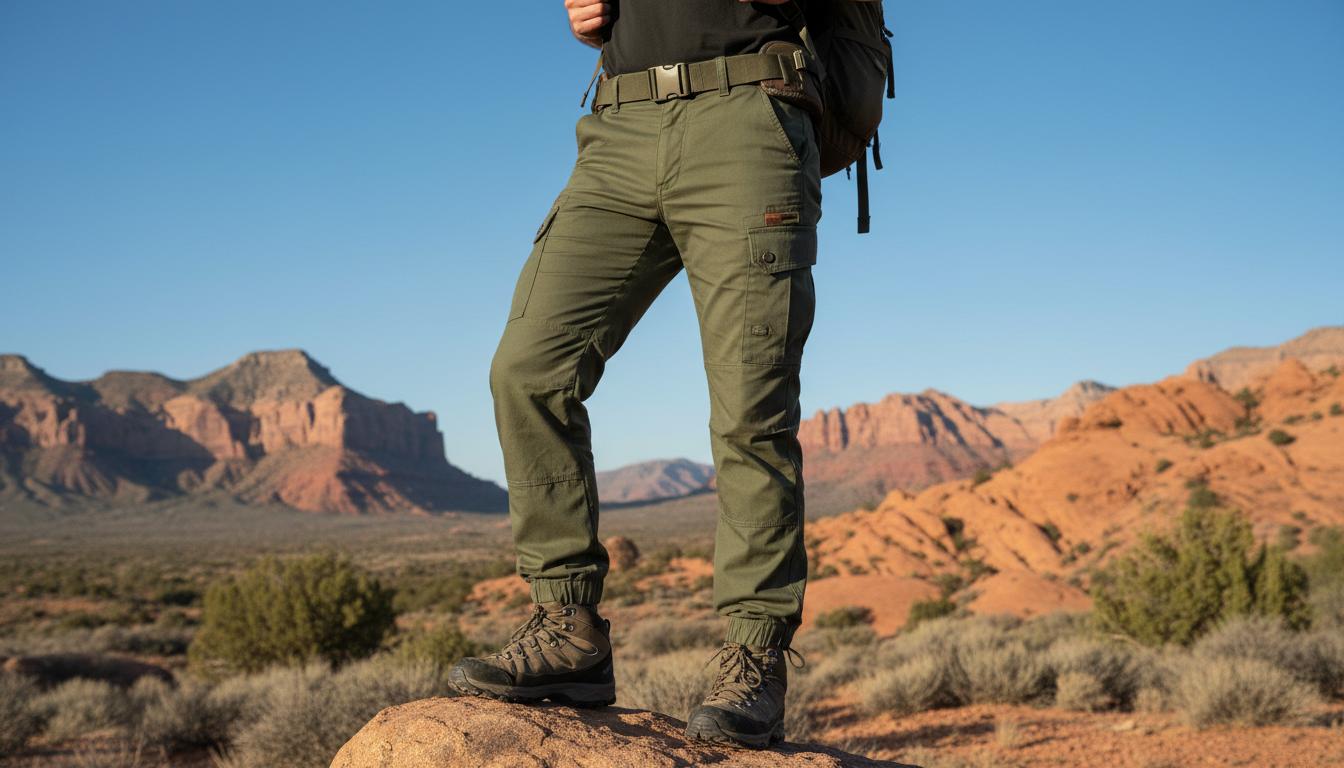
If you live in Canada, you measure clothing by what it can handle: sudden rain in Vancouver, wind that cuts across the Prairies, slushy sidewalks in Montreal, blackfly season in Northern Ontario, and a job site that starts at 6 a.m., no excuses. Cargo pants earn their keep here. Big pockets help, sure—but the real story is smarter fabrics, better fits, and features tuned for work, travel, and everyday life. This guide breaks down what matters, so you can buy once and wear often. You’ll learn how to choose the right cargo pants for your climate and job, how to size them correctly, which fabrics survive a Canadian winter, what safety rules might apply, and how to keep them in good shape for years. No fluff—just practical, field-tested advice.
What Exactly Are Cargo Pants—and Why They Work in Canada
Cargo pants are durable trousers with multiple patch or inset pockets—usually two large thigh pockets plus hand and back pockets—designed to carry essentials without a backpack. They were born for utility and, over time, adapted to hiking, trades, emergency services, and city wear. In Canada, they pull triple duty. You can load up tools on a construction site in Edmonton, stash gloves and transit passes in Toronto, or pack a phone, map, and bear spray (where appropriate) on a day hike in Kananaskis.
Today’s cargo pants range from heavy-duty canvas workwear to technical, quick-drying styles built for backcountry trails, to tapered, stretch-woven versions that look at home in a café. What makes a pair “good” depends on where you’ll wear them. Cold? Wet? Job site? Long flight? Each scenario pushes you toward specific features and fabrics. The trick is matching what you buy to how you actually live.
A Short History: From Paratroopers to Portage Trails
The modern cargo pant traces back to mid‑20th‑century military uniforms, when paratroopers needed accessible storage for maps, tools, and rations. Extra pockets moved gear off the torso—easier to reach when strapped into a harness. After the war, rugged trousers with thigh pockets filtered into civilian workwear and, later, street style.
Canada’s relationship with cargo pants is practical at heart. Our landscapes are varied, distances are long, and weather mood swings are legendary. Pockets let you keep essentials on you, even when you’re far from the car. The design stuck because it solves problems that a simple five‑pocket jean doesn’t: organized storage, mobility, and abrasion resistance where you actually need it.
The Anatomy of Great Cargo Pants
All cargo pants share pockets, but the good ones share the same DNA: thoughtful design and durable construction. Here’s what to look for.
Pockets That Don’t Get in the Way
It’s not just how many pockets you get—it’s how they’re built. Expandable “bellows” or pleated pockets hold more without bulging constantly. Low‑profile pockets lie flat when empty for a cleaner line. Zippered pockets protect passports and keys during travel. Flap pockets with hidden snaps keep debris out on job sites. Some pants add a vertical zip on the pocket edge so you can access the contents while seated, helpful in trucks or on long TTC rides.
Seams, Stitching, and Reinforcement
Double or triple‑stitched outseams and seat seams show up on workwear for a reason. Bar‑tacks at stress points (pocket corners, belt loops) help resist tearing. Reinforced knees and seat—sometimes with a tougher fabric like Cordura—extend lifespan if you kneel on concrete, sit on rough benches at a rink, or scramble over granite in the Shield. If you clip a utility knife to your pocket, look for a small reinforcement patch so the clip doesn’t chew through fabric.
Mobility Features
Gusseted crotch panels reduce seam stress and let you squat, climb, and bike without that tight, splitting feeling. Articulated knees bend where your knees bend, so the fabric doesn’t bunch. A bit of elastane (stretch) helps, but smart patterning is just as important as fiber content.
Closures and Hardware
Sturdy YKK zippers, metal snaps that stay snapped, and belt loops wide enough for a 1.5–2‑inch work belt make a difference. Hook‑and‑bar waist closures lie flatter under a climbing harness or a tool belt. Drawcord cuffs help seal out snow over winter boots; elastic cuffs lean more streetwear. For travel, consider a hidden coin pocket or an internal key loop.
Fabrics 101: From Canvas to High‑Tech Blends
Fabric choice determines how your cargo pants breathe, stretch, insulate, and resist the elements. Here’s how common options stack up in Canadian conditions.
Cotton Canvas and Twill
Classic workwear fabrics—thick, tough, often 8–12 oz per square yard—wear in nicely. They’re warmish, quiet, and abrasion resistant. The downside? Pure cotton soaks up moisture and dries slowly. In a dry Prairie winter or for light yard work, rugged cotton cargos are great. In West Coast rain, not so much—unless you’re layering under a shell.
Poly‑Cotton Blends
Blends add durability and faster drying while keeping a familiar look and feel. A common recipe is 65% polyester, 35% cotton. These fabrics handle frequent washing and offer better shape retention. A small amount of elastane (1–4%) adds stretch without making the fabric flimsy. For daily commuting, trades where you’re in and out of vehicles, or travel across climates, this blend is a solid middle ground.
Ripstop Nylon and Technical Weaves
Ripstop weaves incorporate stronger yarns at intervals to stop tears from spreading. Technical nylon or nylon‑poly blends with DWR (durable water repellent) finishes are popular for hiking and tactical cargo pants. They’re lightweight, quick‑drying, and often wind resistant. Good for shoulder seasons, canoe trips, and humid summers. On winter days below −10°C, you’ll want a base layer underneath or a lined version.
Softshell and Double‑Weave Stretch
Softshell cargo pants use tightly woven, often double‑weave fabrics that block wind, shed light rain, and stretch comfortably. They breathe well enough for snowshoeing or dog walking in January, especially in Southern Ontario and the Maritimes. Pair with a thermal base layer for deep cold.
Lined Cargo Pants for Cold Weather
Flannel‑lined or fleece‑lined designs earn their keep when sidewalks are dusted with salt and transit platforms are breezy. Look for smooth‑faced linings that slide over long johns without snagging. Keep in mind that linings add bulk; size accordingly, especially if you’re between sizes or prefer a slimmer cut.
Water Resistance and DWR
DWR helps water bead and roll off. It’s not full waterproofing, but it buys you time in a drizzle or wet snow. Many brands now use PFC‑free DWR finishes to reduce environmental impact. Reapply DWR after several washes with a spray‑on or wash‑in treatment designed for technical fabrics.
Flame‑Resistant (FR) Options
In oil and gas, utilities, or industrial settings in Canada, employers may specify standards for FR garments (for example, NFPA 2112 or CAN/CGSB specifications commonly referenced in contracts). FR cargo pants use treated cotton or inherent FR fibers. If your work requires FR, buy garments that list the standard on the label and follow the care instructions—no fabric softeners, avoid high heat drying—so protection isn’t compromised. When in doubt, confirm with your safety officer.
Insect‑Repellent Fabrics
For spring and summer trips in tick or mosquito country, cargo pants made with insect‑repellent treatments (such as permethrin‑treated fabrics) can help reduce bites. In Canada, look for products that indicate they’re authorized for sale and follow the care label to maintain effectiveness. Long cuffs, tucked into socks in tall grass, plus a repellent on exposed skin, is a smart combo in the Laurentians, cottage country, and boreal regions.
Stretch vs. Non‑Stretch: Which Feels Right Day to Day
Rigid fabrics last and protect better against sparks and abrasion, while stretch fabrics move with you and feel great on long days. If you’re climbing ladders, crouching under desks to run cable, or bike‑commuting, a 2–4% elastane blend is worth it. For heavy grinding, masonry, or welding—where hot debris or sharp edges are common—lean toward heavier, non‑stretch or limited‑stretch fabrics with reinforcements in high‑wear zones.
Choosing the Right Fit (Without Guessing)
Good fit makes cargo pants practical; bad fit turns pockets into flapping sails. Here’s how to land the right size the first time.
How to Measure
- Waist: Measure just above your hips where you wear your pants. Keep the tape snug, not tight.
- Inseam: Measure from the crotch seam to the bottom of the leg on a pair that fits you well.
- Rise: If you bend and the waistband rides down, the rise is too short for your build.
Canadian retailers usually list sizes in inches for waist and inseam. Some brands run vanity sizing or “alpha” sizing (S, M, L). Always check the brand’s chart.
Size Conversion Basics
| Waist (inches) | Waist (cm) | Typical Alpha Size |
|---|---|---|
| 28 | 71 | XS |
| 30 | 76 | S |
| 32 | 81 | M |
| 34 | 86 | L |
| 36 | 91 | XL |
| 38 | 97 | XXL |
Women’s cargo pants vary more by brand. Some use numeric sizes (2–16+), others use alpha sizing. Check garment measurements when available, especially hip and thigh width, and read Canadian customer reviews for fit notes—winter layering and boots change how pants drape and move.
Cut and Leg Shape
- Relaxed/straight leg: Room for base layers and boots. Great for trades and winter.
- Regular/tapered: Modern look that still fits over sneakers or lighter boots.
- Carpenter/loose: Max mobility and airflow for hot job sites; can feel bulky in wind.
- Jogger cargo pants: Elastic cuffs; comfortable for errands and travel, less ideal for heavy work.
Try bending, squatting, and sitting before you commit. Pockets should stay accessible. If the thigh pockets balloon when you sit, consider a slimmer pocket design or smaller contents in that pocket.
Use Cases: Match the Cargo Pants to the Job
Workwear Across Canada
On construction and industrial sites, function beats fashion. Look for heavy fabrics, reinforced knees, strong belt loops, and pocket layouts that suit your tools. If you use kneepads, consider cargo pants with internal knee pad sleeves, or ensure the cut works with external pads. In winter, insulated or lined pants can cut the wind on exposed sites in Calgary or Winnipeg. For warehouse and logistics work, lighter poly‑cotton blends with stretch keep you moving without overheating.
Safety matters. Canadian occupational health and safety rules are set provincially and territorially, and workplaces may have specific policies. Cargo pants themselves aren’t usually regulated, but related gear often is:
- High‑visibility apparel: If you work near traffic or mobile equipment, your outerwear must meet CSA Z96. Cargo pants with reflective trim exist, but check labels; reflective accents alone may not meet the standard.
- FR requirements: Oil and gas, utilities, and certain industrial sites often require FR garments that meet recognized standards. Only buy labeled FR cargo pants for those roles, and follow employer guidance.
- Snag hazards: Loose or bulky external pockets can be a hazard around moving machinery. Some workplaces restrict certain pocket styles or require pocketless fronts. When in doubt, ask your safety coordinator.
Shopping tip: Mark’s, Work Authority, and safety supply stores across Canada stock work‑ready cargo pants, including FR options. For specialized needs, many employers have preferred vendors—use them for easier returns and to ensure compliance.
Outdoors: Hiking, Fishing, Portage, and Camp
Backcountry travel loves a good cargo pant. Lightweight, fast‑drying options shine on the West Coast Trail or after surprise rain in Gros Morne. A ripstop nylon or nylon‑poly cargo pant with articulated knees keeps you moving through alder thickets and along rocky shores. For shoulder seasons in Algonquin, double‑weave softshell cargos paired with merino base layers are comfortable from cool mornings to sunny afternoons. Fishing on Georgian Bay or the Fraser? Quick‑dry pants with zippered pockets save keys and pliers from the drink.
Insect pressure changes your checklist. For tick‑heavy areas, go for light‑coloured pants (easier to spot ticks), narrow cuffs or gaiters, and treatments where available. Tuck pants into socks in tall grass and do a tick check later. For blackfly season up north, a slightly looser leg keeps fabric off skin and helps reduce bites.
Travel and Urban Life
Airports reward organization. A secure thigh pocket for your phone and headphones, a zippered pocket for passports, and a drop‑in pocket for boarding passes make security quicker. On packed trains in Montreal or downtown Toronto, cargo pants with stealth zip pockets keep wallets close. If you commute by bike, look for reflective hits and a gusseted crotch; pay attention to chain grease—cuff a straight leg or choose jogger cuffs to keep fabric clear.
In the city, slimmer cargo pants in a matte stretch fabric dress up easily with a sweater or overshirt. Neutral colours—charcoal, olive, navy—are versatile. If your office is on the casual side, a tapered utility pant passes for business‑casual with leather sneakers or oxfords. If you’re client‑facing in a formal setting, keep cargos for off‑hours.
Women’s Cargo Pants: Fit and Function Without the Compromise
Women’s cargo pants used to be an afterthought: small pockets, odd proportions. That’s changing. Look for full‑sized pockets sized for modern phones, thigh pockets that sit slightly forward for easier reach, and fabrics with enough recovery to avoid sagging at the knee. High‑rise cuts pair well with cropped jackets, while straight or barrel‑leg cargos balance boots. For hikes, a mid‑rise technical cargo with a soft waistband avoids pressure under a backpack hip belt. Canadian retailers from performance brands to fashion boutiques now stock women’s cargos that look sharp and carry their weight.
Weather‑Wise: Dressing for Canadian Conditions
You can wear cargo pants year‑round in Canada if you pick the right pair for the right day. Here’s a simple matrix to help.
| Condition | What to Look For | Why It Helps |
|---|---|---|
| Wet West Coast (fall–spring) | Technical nylon or softshell; PFC‑free DWR; quick‑dry | Sheds drizzle and dries fast after showers |
| Prairie wind and cold | Heavier fabric; lined options; wind‑resistant weave | Blocks windchill; layered warmth without bulk |
| GTA freeze–thaw | Durable face fabric; salt‑resistant finish; cuff that fits over boots | Handles slush and salt; protects hems from grime |
| Maritime mist and storms | Quick‑dry, DWR; secure pockets; drawcord cuffs | Controls flap in wind; keeps water out of boots |
| Laurentians/Shield bugs (late spring–summer) | Light colours; tight weave; optional insect‑repellent fabric | Makes ticks visible; reduces bites |
| Northern cold snaps | Lined cargos plus merino base layer; roomy cut | Warmth and mobility at −20°C and below |
Price and Value in Canada: What You Actually Get at Each Budget
Prices vary by brand, fabric, and features. Here’s a general Canadian dollar overview so you set realistic expectations.
| Price Range (CAD) | What You’ll Typically See | Good Use Cases |
|---|---|---|
| $40–$80 | Basic cotton or poly‑cotton cargos; limited stretch; simple pockets | Casual wear, light chores, occasional hikes in fair weather |
| $80–$150 | Better stitching; stretch blends; softshell or ripstop options; secure pockets | Daily commuting, frequent hikes, lighter trades |
| $150–$250 | Technical fabrics; articulated knees; reinforcements; sustainable finishes | Serious outdoor use, demanding travel, long‑term value |
| $250+ | Premium materials, specialized features; brand‑name performance | Pro use, specific technical needs, or fashion‑forward styles |
Where to shop in Canada? For performance and outdoor cargo pants, try MEC, SAIL, Atmosphere, and specialty boutiques like Altitude Sports online. For workwear, look at Mark’s, Work Authority, and safety supply stores. For fashion‑leaning cargos, Simons, Hudson’s Bay, and brand‑specific stores carry seasonal styles. If ordering from U.S. brands, remember that taxes and duties may apply depending on origin and shipping method; CUSMA can provide duty relief for North American‑made goods, but sales tax typically still applies at the border or checkout.
Build Quality: Small Details That Add Years of Wear
Two pairs can look similar on a screen yet age very differently. Inspect these details in store or in photos:
- Stitch density: Tighter stitches per inch on seams are stronger and neater.
- Seam finishing: Look for flat‑felled or bound seams to resist fraying inside.
- Pocket bags: Heavy pocket fabric matters; flimsy bags blow out first.
- Hardware: Branded YKK zips and metal snaps outlast generic parts.
- Reinforced stress points: Bar‑tacks on all pocket corners and belt loops.
- Label clarity: If a garment claims FR, water resistance, or compliance, the tag should state the standard, not just a marketing phrase.
Care, Cleaning, and Quick Fixes (Canada‑Proof Methods)
Washing Basics
- Turn inside out, wash cold or warm, mild detergent.
- Avoid fabric softeners on technical or FR cargo pants—they can reduce performance or protection.
- Air dry when possible; tumble low if the care label allows. High heat shortens elastic life and can shrink cotton.
Dealing with Salt Stains
Winter salt leaves white rings on hems. Mix a 1:1 solution of white vinegar and water, dab the area, rinse with clean water, then air dry. Repeat if needed before the next full wash.
Renewing Water Repellency
If water stops beading on softshell or ripstop cargos, clean them, then apply a PFC‑free spray‑on DWR product. Tumble low or use a warm iron through a pressing cloth if the product calls for heat activation (check care label first).
Repair and Tailoring
Small knee scuffs? Use a fabric patch kit or take them to a tailor. Many Canadian cities have outdoor gear repair shops that can replace zippers, add reinforcement patches, or adjust hems with boot‑friendly shaping. If your brand offers a repair program in Canada, use it; it’s often cheaper and extends life significantly.
FR Garment Caution
Never alter FR cargo pants in ways that could affect protection—no aftermarket reflective tape, embroidery, or patches unless rated for FR wear. When unsure, consult your employer’s safety team or the garment manufacturer.
Sustainability: Smarter Choices Without Compromising Performance
If you want cargo pants that align with environmental and social values, look for third‑party certifications and transparent sourcing. Bluesign‑approved fabrics aim to reduce harmful chemicals; OEKO‑TEX Standard 100 tests for harmful substances; Fair Trade programs support better worker conditions. PFC‑free DWR reduces persistent chemicals. Durability itself is sustainable—one well‑built pair that lasts five years beats three that fall apart in a year.
Style Playbook: How to Wear Cargo Pants Without Looking Overloaded
Everyday Casual
Pair olive or charcoal cargos with a heather tee, a flannel overshirt, and clean sneakers. In fall, add a quilted vest. Keep the pocket load light—phone and wallet only—so the silhouette stays sharp.
Office‑Casual
Choose a tapered, minimal‑pocket cargo in a matte navy or black stretch fabric. Add a merino crewneck or oxford shirt and leather sneakers or desert boots. Skip bulky pocket contents and carabiners. This look works in many Canadian offices that shifted casual in recent years, particularly in tech and creative fields.
Trail to Town
Technical cargo pants in dark grey with a breathable base layer, trail runners, and a weatherproof shell for the hike. Swap the shell for a denim jacket in town. The trick is neutral colours and a clean fit.
Winter Layering
Flannel‑lined cargos over thermal leggings, wool socks, and insulated boots. Up top, a wool sweater and a parka. Keep cuffs outside your boots to shed slush unless you’re trudging through deep snow, where tucking into gaiters helps.
Safety Notes and Workplace Etiquette
A great pair of cargo pants still needs to fit the rules where you work. A few reminders:
- Ask about pocket policies. In food processing and some labs, external pockets may be restricted.
- On sites with moving parts, empty bulky items before walking near machinery; snag risks are real.
- If high‑visibility gear is required, ensure your outerwear meets CSA Z96 rather than relying on reflective‑trim cargos.
- Store sharp tools in dedicated sheaths or reinforced pockets to avoid puncturing fabric—or yourself.
Smart Packing: What Goes in Which Pocket
Pockets are a system. Aim for balance so you’re not lopsided and your pants don’t twist.
- Front right thigh: Phone—easy to grab, secure with a zip if possible.
- Front left thigh: Small notebook and pen, or compact multitool in a sheath.
- Hip pockets: Hands, tissues, or transit cards—light items only.
- Back pocket: Passport only if it zips; otherwise keep travel documents in a secure interior jacket pocket.
Heading through airport security at Pearson or YVR? Pre‑stage metal items in a zippered cargo pocket. You can dump it onto the tray in one move and avoid scrambling.
DIY Tweaks That Make Cargo Pants Yours
You can tune off‑the‑rack cargo pants without ruining them:
- Hem shaping: Ask a tailor for a slight “boot cut” curve if your hems catch on winter boots.
- Knife clip patch: Add a small patch of Cordura or leather behind a pocket edge to stop wear.
- Drawcord add‑on: A tailor can insert a simple drawcord at the cuff for bike commutes or snow.
- Button swap: Replace plastic buttons with metal for longevity.
Avoid DIY on FR garments or any alteration that could void workplace compliance. If the pants are part of a uniform or PPE program, get written approval first.
Common Mistakes When Buying Cargo Pants (And How to Avoid Them)
- Buying pure cotton for a rainy climate: It will soak and stay wet. Choose quick‑dry or bring a shell.
- Underestimating winter layers: If you plan to wear long johns, size up or pick a relaxed cut.
- Ignoring pocket placement: If you drive or sit all day, high side pockets may dig into thighs. Test the seated feel.
- Chasing too many features: Extra pockets you don’t use just add weight and snag points. Keep it simple.
- Forgetting workplace rules: Reflective trim alone doesn’t equal compliant high‑vis. Confirm standards.
A Quick Buying Checklist
- Use case: Work, trail, travel, or city?
- Climate: Wet, windy, frigid, or bug‑heavy?
- Fabric: Canvas, blend, ripstop, softshell, lined?
- Fit: Room for base layers? Comfortable when seated?
- Pockets: The right number, secure closures, and smart placement?
- Durability: Reinforced knees/seat, strong stitching, quality hardware?
- Care: Wash routine you’ll actually follow? DWR maintenance?
- Compliance: Any FR or high‑vis requirements at work?
- Budget: Paying for real features you’ll use—not hype.
Examples: Matching Cargo Pants to Real Canadian Days
Scenario 1: Winter Job Site in Calgary
You’re outside with wind exposure. Choose lined or heavy softshell cargo pants with a gusseted crotch and articulated knees. Wear thermal leggings underneath. Keep thigh pockets low‑profile; snag hazards are everywhere. If your site requires FR, select FR‑rated lined cargos and follow the care label.
Scenario 2: Vancouver Commute and Weekend Hikes
Go for quick‑dry nylon‑blend cargo pants with PFC‑free DWR and a slim fit that pairs with a rain shell. Zipped pockets keep transit cards and keys safe. For North Shore hikes, the same pants breathe on the climb and dry fast after sun‑showers.
Scenario 3: Cottage Country in July
Light‑coloured, tight‑weave cargos help spot ticks. A slightly looser cut offers airflow. Choose pockets with zips or snaps for canoe outings. Add gaiters in tall grass. Treat socks and external layers with an approved repellent, and do a tick check at day’s end.
Scenario 4: Montreal Office Casual
A matte, tapered cargo pant in navy with a knit polo looks modern. Keep pocket contents to a minimum and opt for clean leather sneakers. Add a lightweight jacket for evenings on Saint‑Laurent.
Where Cargo Pants Fit in Canadian Wardrobes Right Now
Trends cycle, but function endures. Cargo pants have swung back into fashion with a more refined cut—tapered legs, slimmer pockets, and technical fabrics that look sharp. At the same time, workwear cargo pants continue to evolve with stretch, better knee systems, and more durable weaves. In short, Canada wears them across the spectrum: the drywall finisher in Saskatoon, the trail runner in Squamish between races, and the student in Halifax heading to class after a shift. The common thread is utility without fuss.
How to Evaluate Online Listings (And Avoid Disappointment)
When you can’t try before you buy, read between the lines:
- Fabric weight listed? Great. If not, scan reviews for comments like “paper thin” or “heavy.”
- Pocket dimensions? If you have a large phone, look for a photo with a device in the pocket.
- Return policy within Canada? Cross‑border returns are costly. Prefer Canadian warehouses or easy returns at local stores.
- Photos of back view and seated view? They reveal fit and pocket bulge.
- Inseam options: If the brand offers multiple inseams, you’ll get a cleaner hem with no folding.
Layering 201: Base, Mid, and Outer for Deep Cold
For January in Ottawa or Saskatoon, think systems:
- Base: Merino or synthetic long johns wick sweat away. Avoid cotton.
- Cargo pant: Lined canvas or softshell with some wind resistance.
- Outer: Waterproof‑breathable shell pants on truly nasty days.
Smart cuffs make or break the setup. If your cargo pants fit over your winter boots, melting snow won’t sneak in. If they’re narrow, add gaiters. Snow in your socks is a morale killer.
Pocket Loadouts: Work vs. Trail vs. Travel
| Context | Left Thigh | Right Thigh | Hip/Back |
|---|---|---|---|
| Work | Small notebook, pencil, hex keys | Knife (in sheath), tape measure clip | Light items only; avoid bulky tools in back pockets |
| Trail | Map, snacks | Phone, small first‑aid items | Back pocket zipped wallet, or keep it in a jacket interior |
| Travel | Boarding pass, pen | Phone and earbuds | Passport in zip pocket or money belt—never loose |
When You Need Something Other Than Cargo Pants
They’re versatile, but not a universal solution. If you’re in steady rain or wet snow for hours, full waterproof shell pants beat any DWR cargo. For formal meetings, a chino or wool trouser is a better choice. For certain industrial sites, specialized PPE like coveralls or pocketless garments will be mandatory. Knowing when not to wear cargos is part of getting the most from them.
Canadian Buying Notes: Taxes, Returns, and Sizing Oddities
Apparel purchases in Canada are generally subject to GST/HST or GST plus provincial sales tax, depending on where you live. Children’s clothing may qualify for different tax treatment; check current rules in your province or territory. If ordering from abroad, duties and taxes can apply at delivery; where the garment is made and how it ships affect the total. Many Canadian retailers offer free or low‑cost in‑store returns, which can be a lifesaver when dialing in fit.
Brands cut cargo pants differently: some prioritize room through the thighs; others taper aggressively. If you lift, cycle, or skate a lot, a regular or athletic cut will feel better. If you’re tall or short, look for multiple inseam options, not just a default 32‑inch length. That clean hem looks better—and stays drier in slush.
Real‑World Durability: What Fails First (So You Can Prevent It)
- Knee blowouts: Caused by frequent kneeling. Choose reinforcement or use knee pads.
- Pocket bag tears: Overloading with keys and metal objects. Rotate carry or add a small pouch.
- Seat seam stress: From tight fits and heavy wallets. Size properly; lighten the load.
- Hem fray: Dragging on pavement or catching on boot heels. Hem to the right length.
- Zip failures: Dirt and grit. Brush and rinse zippers occasionally; don’t force them.
Frequently Asked Questions
Are cargo pants appropriate for Canadian workplaces?
It depends on the workplace. On construction sites and in trades, cargo pants are common. In offices, choose a clean, tapered style in a matte fabric for a smart‑casual look. For formal environments, stick to dress trousers. Always follow your employer’s dress code and safety policies.
What’s the difference between tactical pants and regular cargo pants?
Tactical pants are a subtype of cargo pants built for first responders and security: tougher weaves, reinforced stitching, and specialized pocket layouts for gear. Regular cargo pants range from workwear canvas to fashion‑forward styles with simpler pockets. Tactical designs usually emphasize durability and function over fashion.
Can cargo pants be waterproof?
Most cargo pants are water‑resistant at best. DWR helps in light rain, but it’s not a rain shell. For sustained wet conditions, wear waterproof shell pants over your cargos or choose a dedicated waterproof pant for the day.
How should cargo pants fit over winter boots?
The hem should cover the top of the boot without dragging. If the leg is narrow, use gaiters or tuck inside snow boots. Drawcord or elastic cuffs help seal out slush. Avoid extra‑long hems—they soak up salt and wear out quickly.
Do any rules cover reflective cargo pants in Canada?
If you need high‑visibility apparel for work, look to CSA Z96‑compliant garments. Some cargo pants include reflective trim, but trim alone may not meet the standard. Check labels and confirm with your safety officer.
Which fabrics are best for winter?
Lined canvas or softshell cargo pants with wind resistance work well, especially combined with a thermal base layer. For extreme cold, use the cargo pants as a mid‑layer under a waterproof‑breathable shell pant when needed.
How do I wash flame‑resistant cargo pants?
Follow the garment label. Generally: wash separately with mild detergent, avoid bleach and fabric softeners, and tumble low or air dry. Do not add aftermarket treatments unless the manufacturer approves them, as they can affect FR performance.
Are cargo pants good for tick protection?
They help when used properly: choose light‑coloured, tightly woven fabric, tuck pants into socks in tall grass, and consider insect‑repellent treatments where available. Combine with a repellent on exposed skin and regular tick checks.
Do cargo pants shrink?
Cotton and cotton‑blend pants can shrink slightly, especially with hot water or high heat drying. Wash cold or warm and air dry to minimize changes. Technical fabrics shrink less but can lose performance with high heat.
What’s a fair price for quality cargo pants in Canada?
For reliable daily wear, expect roughly $80–$150 CAD. Technical or specialized workwear runs higher. Cheaper pairs can be fine for casual use, but check stitching and pocket construction to avoid early failures.
Can I wear cargo pants to travel internationally from Canada?
Absolutely. Choose a pair with zippered or snap‑secure pockets and a comfortable stretch fabric. Keep valuables in zip pockets and pre‑stage small metal items during security to speed things up.
Where can I buy cargo pants with easy Canadian returns?
Look to national retailers with local stores (MEC, Mark’s, Simons, Hudson’s Bay) or Canadian e‑commerce shops that ship domestically. Returns to a Canadian address are simpler and avoid cross‑border fees.
Final Word
Cargo pants earn their space in a Canadian closet when the fabric matches the climate, the pockets match your day, and the fit respects how you move. Pick thoughtfully, maintain them well, and you’ll get a pair that carries you from job site to jet bridge to trailhead without drama—pockets full, hands free, and ready for whatever the forecast throws next.