
If you’re itchy, uncomfortable, and staring at a crowded pharmacy shelf wondering which box to grab, you’re not alone. A yeast infection is common, treatable, and often simple to manage—if you know what you’re dealing with. This in-depth Canadian guide breaks down how to recognize a yeast infection, when to self-treat, when to see a professional, and how to stop it from boomeranging back. You’ll find clear advice that fits real life here in Canada: what’s available over the counter at Shoppers Drug Mart or Jean Coutu, when pharmacists can help, what to expect in a clinic, and what actually works (and what doesn’t).
What Is a Yeast Infection, Really?
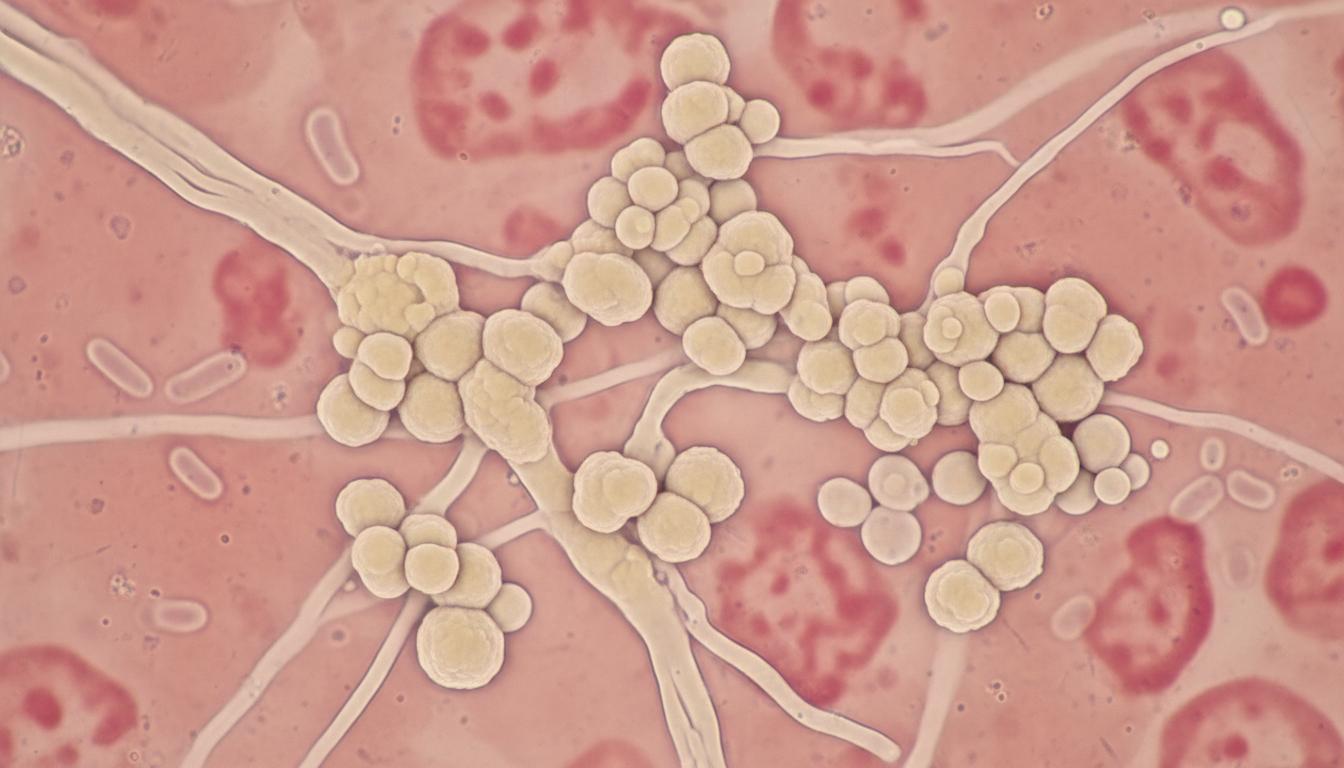
A yeast infection is a fungal overgrowth—most commonly Candida albicans—on body sites where Candida normally lives in small, harmless amounts. When the balance of microbes shifts or the environment changes (think moisture, heat, higher estrogen, antibiotics), Candida can flourish and cause symptoms. In medical terms, you’ll hear “candidiasis.” When it happens in the vagina and vulva, it’s called vulvovaginal candidiasis. In the mouth, it’s oral thrush. In skin folds, it’s intertrigo. Babies can get it in the diaper area. Men can develop balanitis (inflammation of the head of the penis) from yeast.
Most yeast infections are mild to moderate and short-lived. A subset keep coming back, which doctors classify as recurrent yeast infections. These require a different approach than a one-off episode.
Common Types of Yeast Infections
Vulvovaginal Yeast Infection
This is the classic scenario: intense vulvar itching, a thick white “cottage cheese” discharge, burning with urination if urine touches irritated skin, and pain with sex due to raw tissue. The vaginal pH remains normal (around 4), which helps differentiate it from other conditions like bacterial vaginosis. Symptoms can range from mild itching to severe redness and swelling.
Oral Thrush
Oral thrush shows up as creamy white patches on the tongue, inner cheeks, or palate that can be wiped away to reveal a raw, red surface. The mouth may feel sore or taste “cottony.” It’s common in people using inhaled corticosteroids for asthma (especially without rinsing), denture wearers, babies, and those with weakened immune systems.
Skin Fold Candidiasis (Intertrigo)
Warm, moist areas—under breasts, in the groin, belly folds, armpits, or between toes—can develop a bright red, itchy rash with “satellite” spots. Tight winter layers, sweaty summer hikes in Banff, or long days in hockey gear can create perfect conditions for Candida overgrowth.
Penile Yeast Infection (Balanitis)
Men may notice itching, burning, redness on the glans, and sometimes a white film or discharge under the foreskin. Uncircumcised men, those with diabetes, and people on certain medications (like SGLT2 inhibitors for diabetes) are at higher risk.
Diaper Rash from Yeast
Bright red rash with small red satellite spots on the edges, often not clearing with plain barrier creams alone. Moisture and macerated skin let Candida thrive. Antifungal creams are usually needed alongside frequent diaper changes and air time.
Is It Really a Yeast Infection? Look-Alikes Worth Considering
Self-diagnosis is tempting, but yeast isn’t always the culprit. Why does this matter? Because the right treatment depends on the cause. Here are common conditions that mimic a yeast infection:
- Bacterial vaginosis (BV): Thin grey or white discharge with a fishy odour; vaginal pH usually above 4.5; itching is less prominent.
- Trichomoniasis: Often frothy yellow-green discharge, irritation, and sometimes spotting; it’s a sexually transmitted infection (STI) that needs antibiotics.
- Genital herpes: Painful blisters or ulcers, burning, and tenderness. The lesions—not discharge—are the main clue.
- Contact dermatitis: Scented soaps, laundry detergents, wipes, or new lubricants can inflame delicate skin, causing burning and itching without the classic clumpy discharge.
- Lichen sclerosus or planus: Chronic vulvar skin conditions causing itching, whitened patches, or pain. These need a proper diagnosis and tailored treatment.
- Urinary tract infection (UTI): Burning with urination from the urethra, urgency, and frequency—usually without major vaginal discharge.
If your symptoms are atypical, severe, or not improving with standard therapy, testing is a good idea. It prevents the cycle of trying product after product without relief.
Symptoms: What to Watch For
Typical Symptoms of a Vaginal Yeast Infection
- Itching, often intense, around the vulva and opening of the vagina
- Thick, white, curd-like discharge (usually odourless)
- Redness, swelling, and soreness; pain with sex
- Stinging when urine hits irritated skin
Note: Some people have a thinner discharge or mostly burning and redness. Symptoms vary from person to person and from episode to episode.
Oral Thrush Symptoms
- White, creamy plaques on the tongue, cheeks, or palate that can wipe off
- Red, sore mouth; altered taste; sometimes cracking at the corners of lips (angular cheilitis)
Skin Fold and Penile Symptoms
- Skin folds: Bright red rash, itching or burning, small satellite spots
- Penis: Itching, redness, burning; whitish film under the foreskin; discomfort with sex
Why Yeast Infections Happen: Causes and Risk Factors
Yeast is opportunistic. Give it warmth, moisture, or less competition from beneficial bacteria, and it seizes the moment. Common triggers include:
- Antibiotics: They wipe out friendly bacteria that normally keep Candida in check.
- Hormones: Higher estrogen (pregnancy, estrogen-containing birth control, hormone therapy) makes yeast overgrowth more likely.
- Diabetes: High blood sugar feeds yeast and impairs immune response. SGLT2 inhibitors (e.g., empagliflozin, canagliflozin) raise risk of genital yeast infections.
- Weakened immunity: Due to medications (like systemic steroids), chemotherapy, or medical conditions.
- Moisture and friction: Tight, non-breathable clothing, sweaty workouts, wet swimsuits, long winter layers without airflow.
- Vaginal flora shifts: Douching, scented washes, or new products that upset pH and the microbiome.
- Sex: Not an STI, but sex can trigger symptoms by friction and pH changes. Oral-genital contact can spread oral Candida to the genital area.
When You Can Self-Treat—and When You Shouldn’t
Self-treatment is reasonable if all are true:
- You’ve had a doctor-confirmed yeast infection in the past and your current symptoms feel the same.
- Your symptoms are mild to moderate.
- You’re not pregnant.
- You have no major health conditions that affect immunity.
Stop and seek professional care if any of these apply:
- Severe pain, extensive redness and swelling, sores, fever, pelvic or lower abdominal pain
- Frequent infections (three or more in a year)
- Symptoms that persist, worsen, or return within two months after treatment
- New sexual partner or concern for STIs
- Pregnancy (topical azoles are preferred; oral fluconazole is generally avoided)
- Uncontrolled diabetes or immunosuppression
Diagnosis and Testing in Canada: What to Expect
In many straightforward cases, clinicians diagnose a yeast infection based on symptoms and a brief exam. When symptoms are atypical or recurrent, testing helps. Here’s what might happen at a clinic in Canada:
- Speculum exam (if needed) and a swab of vaginal discharge
- Microscopy (a “wet mount” and KOH prep) in-clinic or at a lab to look for yeast
- Vaginal pH check (usually normal in yeast infection)
- Culture to identify the Candida species if infections keep recurring or don’t respond to usual medications
- Occasionally tests for BV, trichomoniasis, or STIs if symptoms overlap
Most provincial health plans cover clinic visits and medically necessary lab testing with a valid health card. Walk-in clinics, family health teams, nurse practitioner-led clinics, and sexual health clinics across provinces typically handle these assessments. If you’re remote or prefer online care, many provinces now allow pharmacists to assess and prescribe for uncomplicated vaginal yeast infections, and telehealth platforms can triage and refer as needed.
Treatment Options in Canada: What Works and How to Choose
Most uncomplicated yeast infections can be treated effectively with antifungals. In Canada, you’ll find topical azoles over the counter and oral fluconazole by prescription (with pharmacists able to prescribe in many provinces for minor ailments). The right choice depends on symptoms, your health status, cost, convenience, and preference.
Over-the-Counter Topical Azoles (Clotrimazole, Miconazole)
These are the standard self-care options sold as creams, ovules, or suppositories. Common brands include Canesten (clotrimazole) and Monistat (miconazole), along with generics. You’ll see 1-day, 3-day, and 7-day regimens. Here’s how to think about them:
- 1-day (high dose): Convenient, but may cause more local burning for some.
- 3-day: A middle ground—popular for balancing speed and comfort.
- 7-day (lower dose): Gentle and effective; preferred in pregnancy.
Vaginal options usually come with an applicator. Vulvar creams can soothe external irritation and are often included in combo packs. Symptom relief typically begins within a day or two and continues improving over 3–7 days. In Canada, expect to pay roughly $12–$30 CAD depending on brand, duration, and pharmacy (prices can vary by province and retailer—from London Drugs to Rexall to Jean Coutu).
Practical tips:
- Use at bedtime to reduce leakage.
- Wear a thin pad or liner; the medication may stain.
- Avoid scented soaps and harsh products during treatment.
- Some azole creams and suppositories are oil-based and can weaken latex condoms and diaphragms for up to three days after the last dose—check the box and plan accordingly.
Oral Fluconazole (Prescription)
Fluconazole is a single 150 mg capsule for uncomplicated infections. It’s convenient and very effective for Candida albicans. In Canada, fluconazole is a prescription medication. However, many provinces now allow pharmacists to assess and prescribe for minor ailments, including uncomplicated vaginal yeast infections, which may include fluconazole if appropriate. If symptoms are severe, a clinician might recommend two doses 72 hours apart.
Important cautions:
- Pregnancy: Avoid oral fluconazole; topical azoles for seven days are preferred. Health Canada has advised against fluconazole in pregnancy except for serious infections.
- Drug interactions: Fluconazole can interact with warfarin, certain statins, some antipsychotics, and others. Always disclose your medication list.
- Liver considerations: Rare liver side effects exist; seek care if you notice jaundice or severe fatigue while on longer courses.
Costs vary by province and insurance plan. Without coverage, a generic 150 mg capsule is usually inexpensive, but you’ll still need a prescription (or pharmacist assessment where available).
Recurrent Yeast Infections: A Different Playbook
Recurrent vulvovaginal candidiasis is usually defined as three or more symptomatic episodes in a year. If you’re in that club, two steps help:
- Confirm the diagnosis (and species) with a swab and culture, especially if you don’t respond to standard therapy.
- Use an induction phase to clear symptoms, followed by a maintenance plan to keep yeast at bay.
A typical plan for Candida albicans involves fluconazole 150 mg by mouth on days 1, 4, and 7 (induction), then 150 mg once weekly for six months (maintenance). Topical regimens can also be used if you cannot take oral medication. For non-albicans species like Candida glabrata, standard azoles may be less effective; options include vaginal boric acid (not in pregnancy) or nystatin suppositories under guidance. If you’re not improving, it’s time for a specialist consult.
Boric Acid Vaginal Suppositories: When and How
Boric acid 600 mg vaginal suppositories can help in certain cases—especially recurrent infections or those caused by non-albicans Candida. Typical dosing is one capsule inserted vaginally at bedtime for 14 days. In Canada, boric acid is available from some pharmacies (often as a compounded product), online retailers, or specialty suppliers.
Safety points:
- Do not use if you’re pregnant or trying to conceive.
- For vaginal use only—boric acid is toxic if swallowed.
- Keep away from children and pets.
- Expect mild watery discharge; use a liner.
Topical Treatment for Men and Skin Folds
Penile yeast infections and skin-fold rashes usually respond to topical clotrimazole 1% or miconazole 2% applied twice daily for 1–2 weeks, plus keeping the area dry. For significant inflammation, a short course (several days) of low-potency steroid (like 1% hydrocortisone) may be added under clinician guidance. If symptoms persist or recur, consider diabetes screening and medication review (for example, SGLT2 inhibitors).
Oral Thrush Treatment
Nystatin oral suspension (swish and swallow) or clotrimazole troches are standard. Denture hygiene is crucial: clean nightly, let them dry, and have them checked for fit. If you use an inhaled corticosteroid, use a spacer and rinse your mouth after every dose to reduce risk of thrush.
How to Use Yeast Infection Treatments Properly
Using Vaginal Creams, Ovules, and Suppositories
Technique matters:
- Wash hands, load the applicator, lie on your back with knees bent, and insert gently but firmly.
- Apply external cream to irritated areas (a pea-sized amount), usually twice daily.
- Complete the full course even if symptoms improve faster—cutting it short raises the risk of relapse.
- Expect some cramping or mild burning at first. If severe burning occurs, stop and contact a pharmacist or clinician.
Oral Fluconazole: What to Expect
- One capsule can relieve symptoms within 24–48 hours; it may take up to 3 days to feel notably better.
- If symptoms are still significant at 72 hours, a second dose might be recommended in some cases.
- Report unusual side effects like severe rash, dark urine, or yellowing of the eyes or skin.
Home Remedies and Myths: What Helps and What to Skip
There’s a lot of folklore around yeast infections. Let’s cut through it:
- Probiotics: Evidence is mixed. Oral probiotics may reduce recurrence for some, but they’re not reliable treatments for active infections. If you try them, think of them as a supplement to—not a substitute for—antifungals.
- Yogurt, garlic, tea tree oil, apple cider vinegar, douching: Don’t. These can irritate delicate tissue, disrupt natural flora, or do nothing useful. Tea tree and vinegar are especially harsh. Douching increases infection risk.
- Baking soda baths: May soothe irritation but won’t treat yeast. A lukewarm sitz bath can reduce discomfort regardless of the cause.
If you’re leaning on DIY tricks because symptoms keep returning, it’s time for a swab and a plan. Recurrent yeast infection management is very doable with the right approach.
Prevention: Habits That Make a Real Difference
You don’t need an extreme routine—just a few steady habits:
- Choose breathable underwear (cotton or moisture-wicking) and avoid staying in damp clothes after workouts or swims.
- Sleep without underwear if you tend to overheat at night—cooling the area helps.
- Skip scented soaps, bubble baths, vaginal deodorants, and douching. Use warm water or a gentle, unscented cleanser on the vulva only.
- Use water-based or silicone-based lubricants during sex; avoid oil-based products with latex condoms.
- If you have diabetes, keep blood sugar well controlled—this is one of the most effective preventive steps.
- On antibiotics? Consider using an OTC azole at the first hint of symptoms, with your clinician’s or pharmacist’s input.
- Using an inhaled steroid? Rinse your mouth and use a spacer to prevent thrush.
Special Situations: Pregnancy, Menopause, Athletes, and More
Pregnancy
Yeast infections are common during pregnancy. Safe first-line treatment is a topical azole (like clotrimazole) for seven days. Avoid oral fluconazole unless a clinician deems it necessary for a serious infection. If you’re unsure which product to pick, a pharmacist can guide you to a pregnancy-safe option.
Perimenopause and Menopause
Lower estrogen after menopause usually means fewer yeast infections, but vaginal dryness and thinning (genitourinary syndrome of menopause) can cause irritation that feels similar. Topical estrogen therapy can improve dryness—and slightly increase yeast risk for some. If you’re on hormone therapy and noticing recurrent symptoms, discuss balancing symptom control with preventive yeast strategies.
Athletes and Active Lifestyles
Hockey gear, ski base layers, spin classes, long runs on the seawall in Vancouver—sweat happens. Change out of damp clothes promptly, consider moisture-wicking underwear, and wash gear regularly. If you’re prone to intertrigo, apply a thin layer of barrier cream (zinc oxide or petrolatum) to friction-prone areas before workouts, then cleanse and dry well afterward.
Babies and Breastfeeding
Infant oral thrush is common and treatable with nystatin drops. Nipple thrush can occur in breastfeeding parents—often presenting as sharp, burning nipple pain during and after feeds. Both baby and parent need treatment to prevent ping-pong infections. For help, connect with public health nurses, a lactation consultant, or La Leche League Canada.
Medications That Raise Risk
Besides antibiotics and estrogen-containing medications, SGLT2 inhibitors for diabetes commonly increase genital yeast infections in all genders. If infections are frequent, speak with your prescriber about strategies—better glucose control, hygiene measures, preventive topical antifungals, or adjusting medications if appropriate.
Accessing Care in Canada: Pharmacies, Clinics, Coverage, and Costs
Good news: you have options, and most are close to home.
- Pharmacies: In many provinces, pharmacists can assess and prescribe for uncomplicated yeast infections. They can also recommend the right OTC product and check for interactions if a prescription is appropriate.
- Walk-in and family clinics: Visits are publicly funded with your provincial health card (e.g., OHIP, MSP, AHCIP, RAMQ). Sexual health clinics are great for vaginitis assessments and STI screening.
- Telehealth: Provincial 811 lines offer advice and triage. Private telemedicine platforms can assess and prescribe, though fees vary and may not be publicly covered.
- First Nations and Inuit: The Non-Insured Health Benefits (NIHB) program may cover certain prescription medications; your community health nurse or pharmacist can help navigate coverage.
Typical out-of-pocket costs:
- OTC topical azole (1-, 3-, 7-day): roughly $12–$30 CAD depending on product and retailer
- Vaginal boric acid (compounded or OTC): approximately $20–$40 CAD per bottle/course
- Prescription fluconazole 150 mg: usually inexpensive, but coverage depends on your plan
Prices vary by province and retailer—from Shoppers Drug Mart and Pharmasave to Jean Coutu and London Drugs—so it’s worth checking flyers or apps for promotions.
Step-by-Step: What to Do If You Think You Have a Yeast Infection
- Check your symptoms. Classic yeast symptoms include intense vulvar itching and a thick, white, odourless discharge. If you have strong odour, fever, pelvic pain, sores, or a new partner with STI concerns, seek care instead of self-treating.
- Decide: self-treat or see a professional. If you’ve had a confirmed yeast infection before and symptoms are the same, an OTC azole is a reasonable first step. If you’re pregnant, immunocompromised, or unsure, talk to a pharmacist or book a clinic visit.
- Choose a product. For many, a 3-day or 7-day azole works well. In pregnancy, use a 7-day topical regimen. If you prefer a pill and it’s appropriate for you, ask a pharmacist or clinician about fluconazole.
- Use it correctly. Apply at bedtime, use the full course, and soothe external irritation with the included cream. Avoid products that can irritate skin.
- Reassess in 3 days. If you’re not clearly improving, or symptoms recur within two months, arrange a swab and culture.
- Prevent the next one. Air out, wear breathable fabrics, manage blood sugar, rinse after inhaled steroids, and avoid scented products.
When Yeast Infections Keep Coming Back
Relapsing symptoms are frustrating—but solvable. Here’s a structured plan that Canadian clinicians commonly use:
- Confirm: Get a swab during symptoms, ideally before starting treatment, to confirm Candida and identify the species.
- Induction therapy: Clear the current episode with a full course (topical azole 7–14 days or fluconazole 150 mg on days 1, 4, 7 if appropriate).
- Maintenance: Weekly fluconazole for six months or intermittent topical regimens. If non-albicans Candida is the culprit, consider boric acid or nystatin with specialist input.
- Address contributors: Tight clothing, scented products, high sugars, antibiotics, poorly controlled diabetes, or medication side effects.
- Reevaluate: If you’re still symptomatic after proper therapy, look for other diagnoses—BV, dermatitis, lichen sclerosus—or resistant yeast.
Safety Notes and Interactions You Shouldn’t Skip
- Latex weakening: Oil-based azole creams can reduce the effectiveness of latex condoms and diaphragms during treatment and for up to 3 days afterwards.
- Pregnancy: Use topical azoles for 7 days; avoid oral fluconazole unless specifically advised by a clinician for severe infection.
- Breastfeeding: Topical azoles are compatible. Oral fluconazole is often used for nipple/breast thrush under medical guidance; discuss with your provider.
- Drug interactions: Fluconazole interacts with some anticoagulants, statins, seizure medications, and others. Always check with a pharmacist or clinician.
- Boric acid: For vaginal use only, not in pregnancy, and keep out of reach of children and pets.
What About Diet and “Candida Overgrowth” Claims?
You’ll find plenty of “candida cleanse” diets online promising a cure. The evidence doesn’t support restrictive anti-yeast diets as treatment for vaginal yeast infections. Reducing excessive sugar can help with overall health and blood sugar control (which lowers risk if you have diabetes), but yogurt, vinegar, and cutting entire food groups aren’t proven cures. Focus on the basics—effective antifungals, smart hygiene, and addressing risk factors.
Real-Life Scenarios: Canadian Context
Scenario 1: Winter Layers in Winnipeg
You’re layered up for weeks and notice itching and irritation. You choose a 3-day clotrimazole ovule and external cream from a nearby Rexall, change into looser cotton underwear at night, and switch to a gentle unscented wash. By day three, you’re better. Two months later, symptoms return after antibiotics. This time, you see your family doctor in a publicly funded visit; they swab to confirm yeast and prescribe fluconazole, with a plan to reassess if it recurs.
Scenario 2: Pharmacist-Prescribed in Nova Scotia
In Halifax, you’ve had yeast infections before and know the signs. A pharmacist assesses you in the consultation room, rules out red flags, and prescribes fluconazole 150 mg with advice on interactions and condom precautions for a few days if using topical creams. If you weren’t improving at 72 hours, the pharmacist’s plan was to refer for an in-person assessment and culture.
Scenario 3: New Parent in Calgary
Your baby has white patches in the mouth and is fussy with feeds. Health Link 811 advises an urgent care assessment the same day. You’re given nystatin suspension for baby and clotrimazole cream for your nipples, plus instructions to sterilize soothers and rinse and dry thoroughly after feeds. A follow-up confirms both of you are clear within a week.
Troubleshooting: Why Didn’t Treatment Work?
If symptoms persist after appropriate treatment, consider:
- Misdiagnosis: BV, dermatitis, or an STI can masquerade as yeast.
- Resistant or non-albicans Candida: Needs a different regimen (e.g., boric acid, nystatin) and often a specialist plan.
- Incomplete course: Stopping early lets yeast rebound.
- Re-exposure or triggers: Antibiotics, tight clothing, fragranced products, or poor glucose control.
- Sexual friction: Consider lubricants and a temporary pause on sex until symptoms fully resolve.
Table: Comparing Common Yeast Infection Treatments in Canada
| Treatment | Typical Use | Pros | Cons | Pregnancy | Approx. Cost (CAD) |
|---|---|---|---|---|---|
| Clotrimazole (OTC) | 1-, 3-, or 7-day vaginal regimen; external cream for itching | Widely available; effective; affordable | Can cause local burning; messy; may weaken latex | Preferred (7-day) | $12–$25 |
| Miconazole (OTC) | 1-, 3-, or 7-day vaginal regimen; external cream | Effective; broad availability | Local irritation possible; may weaken latex | Preferred (7-day) | $12–$30 |
| Fluconazole 150 mg (Rx) | Single dose for uncomplicated cases; sometimes repeat at 72 hours | Convenient; highly effective for C. albicans | Drug interactions; not for pregnancy | Avoid | Usually low cost with Rx |
| Boric acid 600 mg (vaginal) | Nightly for 14 days for non-albicans or recurrent cases | Useful when azoles fail | Not for pregnancy; toxic if swallowed | Avoid | $20–$40 |
| Nystatin (vaginal or oral) | Vaginal tablets for certain species; oral suspension for thrush | Well-tolerated; safe | Less effective vs. azoles for C. albicans vaginally | Generally safe | Varies (Rx) |
Red Flags: Seek Care Now
- Fever, pelvic or lower abdominal pain, nausea/vomiting
- Sores, ulcers, blisters, or foul-smelling discharge
- Severe vulvar swelling or pain that prevents daily activities
- Symptoms during pregnancy
- Three or more infections in a year
- Immunocompromised state or poorly controlled diabetes
FAQs About Yeast Infection
Is a yeast infection a sexually transmitted infection?
No. Yeast infections are not considered STIs. Sexual activity can trigger symptoms by causing friction and pH changes, and oral sex can transfer Candida between mouth and genitals, but yeast infections occur in people without sexual activity too.
Can I use a 1-day treatment for my first yeast infection?
You can, but if it’s your first suspected yeast infection, consider a clinician assessment to confirm the diagnosis. Among OTC options, 3- or 7-day regimens are often gentler. In pregnancy, use a 7-day topical azole.
Do I need to treat my partner?
Not routinely. Partners should be treated only if they have symptoms (e.g., balanitis in men). Treating asymptomatic partners doesn’t reduce recurrence for the person with vaginitis.
How long until I feel better?
With effective therapy, many feel relief within 24–48 hours, with steady improvement over 3–7 days. If you’re not clearly better by day three, or symptoms recur within two months, get reassessed.
Can probiotics cure a yeast infection?
They’re not a cure for active infections. Some people use probiotics to reduce recurrence, but evidence is mixed. Use antifungals to treat an active infection; consider probiotics as an optional add-on.
Is oral fluconazole safe?
For most non-pregnant adults without interacting medications or liver disease, a single 150 mg dose is safe and effective. It’s generally avoided in pregnancy. Always review your medication list with a pharmacist or clinician to check for interactions.
Why do I get yeast infections after antibiotics?
Antibiotics reduce protective bacteria in the vagina, allowing yeast to overgrow. If this happens frequently, talk to your clinician or pharmacist about preventive strategies, such as starting an OTC azole at the first sign of symptoms.
I used an OTC cream and now sex feels uncomfortable. What should I do?
Wait until symptoms resolve fully before sex. Use a water- or silicone-based lubricant and avoid products that can irritate. Remember that azole creams may weaken latex condoms for up to three days after use—check product labeling.
What if my test shows non-albicans Candida?
Non-albicans species (like C. glabrata) may not respond well to standard azoles. Your clinician may suggest a longer course, boric acid suppositories, nystatin, or referral to a specialist.
Can tight leggings or synthetic underwear cause yeast infections?
They don’t directly cause them, but they trap heat and moisture, which encourages yeast growth. Choose breathable fabrics and change out of damp clothes promptly after workouts.
Is it okay to use leftover fluconazole from before?
Self-prescribing from leftovers isn’t a good idea. If symptoms have changed or another condition is present, you could delay proper treatment. In many provinces, a pharmacist can assess and prescribe if appropriate; otherwise, see a clinician.
Are there free or low-cost options for care in Canada?
Clinic visits are generally covered with your provincial health card. Public health and sexual health clinics can provide assessment and testing. Medications may be covered by public or private plans depending on your age, income, and province. Ask your pharmacist to help navigate coverage and lower-cost options.
Bottom Line
A yeast infection is common and manageable. If your symptoms look and feel like a classic yeast infection and you’ve had one confirmed before, a short course of an OTC azole is a sensible first step. If you’re pregnant, if symptoms are severe or unusual, or if infections keep recurring, get assessed and swabbed. Canadian pharmacies and clinics are well set up to help you quickly, and the right combination of treatment and simple prevention habits will get you back to comfortable—without the guesswork.