
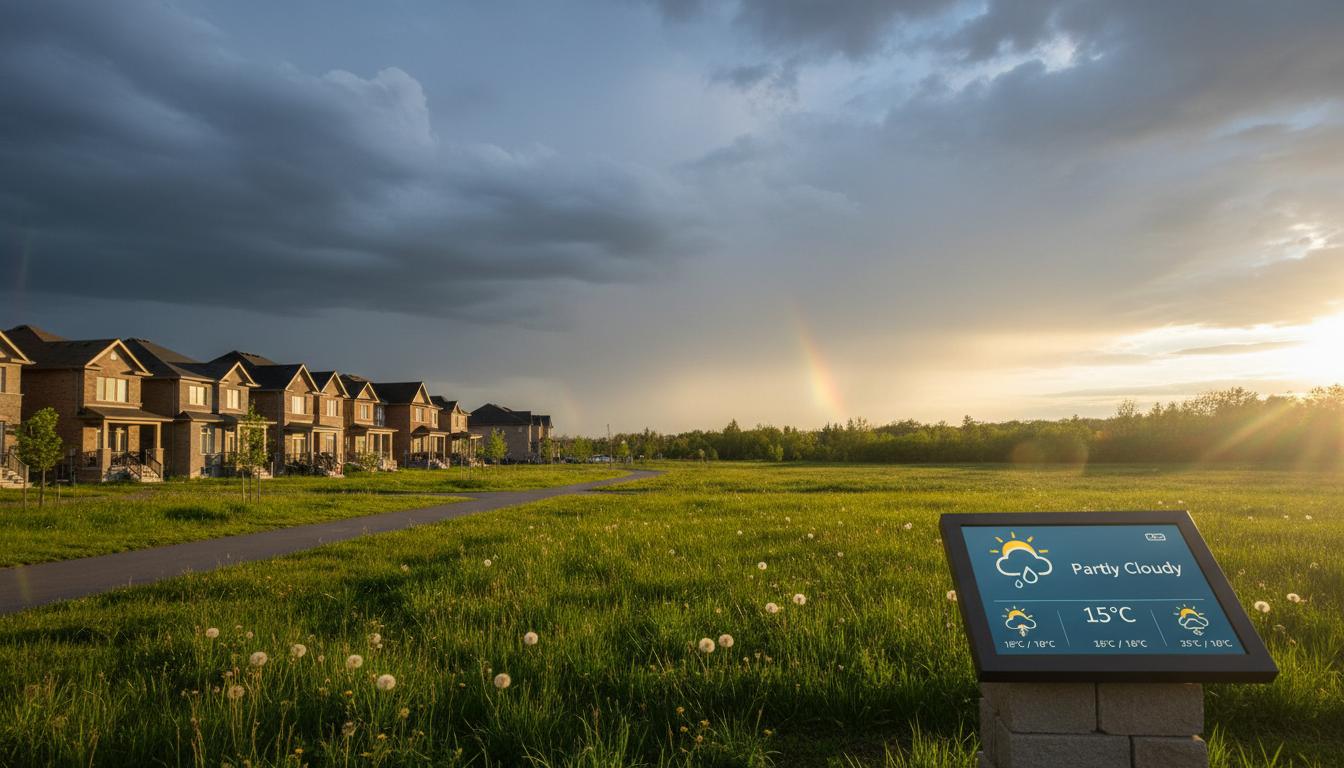
Planning a move, commuting across the 404, or just trying to decide if you need a toque or sunscreen today? Markham weather keeps life interesting, with four honest-to-goodness seasons and fast-changing conditions that can make mornings feel like one city and afternoons another. This in-depth guide explains how Markham’s location in the Greater Toronto Area (GTA) shapes its climate, what to expect month by month, how to read the forecast like a pro, and how to stay safe, comfortable, and prepared—at home, on the road, and outdoors.
You’ll learn why lake breezes can matter even if you can’t see the lake, how Environment and Climate Change Canada (ECCC) issues warnings for heat, cold, and storms, what the Air Quality Health Index (AQHI) tells you during wildfire smoke days, and the practical habits locals rely on when snow, freezing rain, or a surprise thunderstorm rolls through. If your goal is to understand weather in Markham, Ontario in a way that’s actually useful, you’re in the right place.
Where Markham Fits on the Map—and Why That Shapes the Weather
Markham sits just northeast of Toronto, solidly within the GTA and a short drive from Lake Ontario’s north shore. That location matters. While the city itself is inland, it’s close enough to the lake to feel some lake influence—particularly on summer afternoons when cooler lake air can push inland and on late fall days when the lake’s warmth takes the edge off. But being removed from the immediate shoreline also means Markham typically runs cooler at night and in winter compared with downtown Toronto, with a bit more snow and frost.
To the north, the landscape gradually shifts toward the Oak Ridges Moraine and the Greenbelt, a rise in terrain that can steer and enhance precipitation on certain days. Local river valleys—the Rouge River and tributaries of the Don—carve out shallow depressions where cooler air can settle overnight. On still, clear nights you’ll often see a couple of degrees’ difference between a low-lying neighbourhood and nearby higher ground. In short: microclimates exist, and they’re noticeable.
Markham also shares an “urban heat island” with the broader GTA. Dense development, dark roofs, and pavement soak up sun and release heat slowly at night, nudging temperatures higher than rural surroundings on hot summer days. That effect competes with lake breezes and changing wind directions, which is why a day can start muggy and end with a sweater-friendly evening if the breeze flips off the lake.
The Four Seasons in Markham, Ontario
Weather in Markham changes with real character from one season to the next. Expect cold snaps and snow in winter, a messy “shoulder season” in spring, humid stretches and thunderstorms in summer, and a colourful, often comfortable fall. Below is a practical look at what that actually means for your daily life.
Winter (December to February): Cold Mornings, Snow Days, and the Freezing Rain Factor
Markham winters are cold but highly variable. Most days sit below freezing, with plenty of sub-zero nights and a few deep freezes each year. Expect several snowfalls that add up over the season, from fluffy 5–10 cm events to the occasional 15–25 cm system that slows everything down. Because Markham is inland, it generally sees more snow than downtown Toronto—but less than the heavy snowbelt regions off Georgian Bay.
Freezing rain is a part of life in southern Ontario, and Markham is no exception. Ice accretion can bring down branches and power lines, slick roads in minutes, and make sidewalks treacherous. The infamous December 2013 ice storm and the messy April 2018 event both hit the GTA hard, reminding everyone why an ice scraper and a bag of traction salt are worth keeping close. ECCC issues freezing rain warnings when significant icing is expected; treat them seriously and stay updated via the WeatherCAN app or local radio.
Wind chill, not just the thermometer, sets comfort levels. A -10°C day with gusty northwest winds can feel like -20°C or colder. Dress in layers, cover exposed skin during extreme cold warnings (issued when wind chill is expected to be dangerously low), and don’t forget sunglasses—low winter sun and bright snow can be dazzling.
Practical winter habits pay off: install winter tires (Ontario doesn’t require them by law, but many insurers offer discounts), check Ontario 511 for road conditions on Highway 404, 407, and 7, and watch for service changes on York Region Transit (YRT/Viva) or GO Transit during storms. Keep an emergency car kit with a blanket, phone charger, snacks, and a shovel. For your home, a working carbon monoxide detector is non-negotiable if you have a fuel-burning furnace or fireplace.
Spring (March to May): Thaw, Showers, and a Few Surprise Frosts
Spring arrives in fits and starts. March can swing from slushy storms to sunny afternoons that melt everything on south-facing sidewalks. Potholes appear, snowbanks retreat, and gutters finally start earning their keep. By April, you’ll see a regular mix of rain, wet snow, and windy days. May usually brings consistent warmth, but late-season frosts are still possible—especially in low-lying parts of Markham—so hold off on tender garden plants until frost risk is low.
Flooding concerns in Markham focus on rapid snowmelt combined with heavy rain. The Toronto and Region Conservation Authority (TRCA) issues flood messages for watersheds that include the Rouge River and parts of the Don. If you live near a valley or a watercourse, it’s worth subscribing to TRCA updates. Keep downspouts clear and pointed away from the foundation, and consider a backwater valve and sump pump if your home has had issues with basement flooding in the past.
Allergies start ramping up as trees pollinate. Windy, dry stretches can spike pollen counts, while rainy days usually tamp them down. If you’re sensitive, follow local pollen forecasts and time outdoor workouts after rainfall when counts are lower.
Summer (June to August): Heat, Humidex, and Thunderstorms
Summer in Markham brings warm days and muggy stretches. High temperatures often sit in the 24–29°C range, with spikes above 30°C during heat waves. The Humidex—a Canadian index combining temperature and humidity—can push perceived temperatures into the mid-30s or higher. ECCC issues heat warnings for southern Ontario when specific thresholds are met over consecutive days; York Region Public Health may also promote cooling centres and hydration tips during prolonged heat.
Thunderstorms are common, especially in late afternoons when daytime heating triggers convection. Most storms are garden-variety downpours with thunder and gusty winds, but the occasional severe thunderstorm can bring large hail, damaging wind gusts, intense lightning, and torrential rain. While tornadoes are rare, southern Ontario does see a handful each year. The 2009 outbreak that hit Vaughan is a reminder that the GTA isn’t immune. When severe thunderstorm watches or warnings appear, secure patio furniture, move vehicles away from big trees if you can, and postpone outdoor activities.
UV levels run high from late spring into mid-summer. A UV Index of 8 isn’t unusual on clear days, and that means sun protection is essential. Use broad-spectrum sunscreen, wear a hat and sunglasses, and check the daily UV forecast before heading to Rouge National Urban Park, Milne Dam Conservation Park, or Toogood Pond.
Fall (September to November): Comfort, Colour, and Early Flurries
September and early October often deliver the most comfortable weather of the year. Warm afternoons, cool nights, and low humidity set the stage for fall colours in valley parks and along the Rouge. It’s prime hiking and cycling season, and also the time to book furnace maintenance before the first real cold snap.
By late October and November, rain becomes more frequent, winds pick up, and frost returns. Don’t be surprised by a quick flurry or even a light accumulation in November. That’s your cue to finish outdoor chores, clean gutters, and switch to winter tires before the first major snow. Shortening daylight is noticeable, too—plan commutes and evening activities with earlier sunsets in mind.
Monthly Snapshot: What Weather in Markham Typically Feels Like
You won’t get the same winter in Markham twice, but patterns repeat. The outline below paints a realistic picture of “typical” conditions. Use it to plan clothing, yard work, school activities, or travel. Remember: temperatures can swing several degrees day to day, and lake breeze timing or cloud cover can make a big difference.
January
Coldest month on average. Many days stay below freezing, with regular snowfalls and occasional deep freezes. Expect clear, bright days between systems, sometimes with crunchy, wind-packed snow underfoot. Side streets can be icy after melt-refreeze cycles.
February
Still firmly winter, but sunnier and slightly drier feeling at times. Cold snaps linger, yet mid-month thaws are common. Sun angles grow, so a clear afternoon can feel warmer than the thermometer suggests if you find a sheltered spot.
March
Transition month. Snow and slush one week, puddles and light jackets the next. Freeze–thaw cycles are hard on roads and sidewalks. Late-season snowfalls can be heavy and wet. Overall, momentum shifts toward spring by the end of the month.
April
Mostly springlike but moody. Cool mornings, breezy afternoons, scattered showers, and the odd surprise burst of sleet or wet snow. Lawns green up. Flood risk focuses on heavy rain coinciding with lingering snowpack and frozen ground.
May
Consistently mild to warm. Trees leaf out, gardens wake up, and outdoor patios come alive. Showers and isolated thunderstorms pop up. A late frost is possible in early May, especially in low-lying areas or clear, calm nights.
June
Warm days, comfortable nights early in the month; a few first heat alerts by late June. Afternoon thunderstorms increase in frequency, especially along lake-breeze boundaries that intersect north of Toronto. Mosquitoes emerge after rainy spells.
July
Peak summer heat and humidity. Humidex values can climb into the upper 30s. Thunderstorms are common. Plan outdoor work early in the morning or later in the evening, and respect heat warnings to avoid heat-related illness.
August
Still hot, often stormy, but nights slowly cool. Late-summer thunderstorms can be strong, with intense downpours. Toward month’s end, evenings start to feel a bit fresher, especially after cold fronts.
September
Often glorious: warm afternoons, cooler nights, and lower humidity. Stable weather windows make it a favourite for outdoor events and travel. Tropical remnants can bring a rainy weekend, but extended heat is less common.
October
Crisp mornings, mild afternoons early on; colourful foliage peaks. Rainfall increases and windy days become more frequent. Light frosts return. A token flurry is possible, especially late month, but snow that sticks is uncommon before November.
November
Grey skies more often, with frequent rain and the season’s first measurable snows. Windy cold fronts sweep through. Prepare for rapidly changing conditions that can flip from drizzle to wet snow in hours.
December
Back to winter. Regular chances for snow and mixed precipitation. Holiday travel benefits from flexible plans and close attention to ECCC weather statements, watches, and warnings.
Local Climate by the Numbers: Useful Ranges and Context
Markham doesn’t have the same long-term climate record as downtown Toronto, and the closest high-quality, long-running stations include Toronto Pearson International Airport to the southwest and, historically, Buttonville airport (which ceased operations in 2023). With that context, here are practical, ballpark ranges rooted in southern Ontario climate normals that reflect what residents typically experience in Markham. Use them as planning guideposts rather than absolute values for a specific day.
| Measure | Typical Range for Markham | Why It Matters |
|---|---|---|
| January daytime highs | -5°C to -1°C | Expect sub-zero days with periodic milder spells; dress for wind chill. |
| January overnight lows | -12°C to -6°C | Deep freezes can be colder after clear, calm nights. |
| July daytime highs | 24°C to 28°C (30°C+ in heat waves) | Humidex can push “feels like” near 35–40 on muggy days. |
| Annual precipitation | ~800 to 950 mm (rain + melted snow) | Evenly spread with late-fall and summer peaks; heavy downpours are increasing. |
| Seasonal snowfall | ~100 to 150 cm | Several plowable events each winter; mixed precipitation is common. |
| Growing season length | ~160 to 190 frost-free days | Last frost typically in May; first frost usually in October. |
| Plant hardiness zone | About 6a (varies by microclimate) | Guides perennial choices and winter protection for gardens. |
| Heating degree days (base 18°C) | ~3,200 to 3,700 | Rough energy demand indicator for home heating. |
| Cooling degree days (base 18°C) | ~250 to 400 | Signals air conditioning needs during summer. |
Markham typically runs 1–3°C cooler than downtown Toronto in winter and at night, with slightly higher snowfall totals. In summer, urban heat can keep evenings warmer than rural areas north of the city, but well-timed lake breezes still cool many afternoons.
Microclimates Across Markham and Nearby
Not all parts of the city feel the same on a given day. Microclimates matter, especially for gardeners, cyclists, and early-morning runners trying to pick the right layer.
North of Highway 7 and into communities approaching the Oak Ridges Moraine, you’ll often see cooler nights and earlier frosts. Open spaces cool faster after sunset, and snow cover can linger longer in shaded areas. Closer to the southern edge of Markham, daytime highs in spring may run a touch warmer when the lake breeze hasn’t pushed inland yet—but once it does, southern neighbourhoods can cool down more quickly on a hot afternoon.
River valleys like the Rouge and tributaries of the Don tend to be chillier at night due to cold-air drainage. In summer, these green corridors can feel noticeably more comfortable during a heat wave. In winter, they can hang onto colder air and see ice form earlier and melt later than surrounding uplands.
Finally, watch for “lake-effect streamers” setting up off Lake Huron and Georgian Bay during strong northwest flows. While Markham isn’t in the snowbelt proper, narrow bands can drift far enough southeast to spread flurries or short-lived bursts that whiten roads more than you’d expect based on the broader forecast.
Forecasting Markham Weather Like a Pro
Reading the forecast is one thing. Using it to make smart choices is another. Here’s how to turn a Markham weather forecast into a practical plan.
Understand the Basics
Environment and Climate Change Canada is the official source for forecasts and warnings in Ontario. The free WeatherCAN app provides hourly and 7-day forecasts, radar, and notifications for watches and warnings. The Weather Network and other services add context and video explainers; they’re handy, but if you see a red banner warning in WeatherCAN, that’s your cue to adjust plans.
Key terms to know:
- POP (Probability of Precipitation): A percentage chance that measurable precipitation will occur at your location during the forecast period. A 40% POP doesn’t mean it will rain 40% of the time; it means a 4-in-10 chance it will rain at least a little where you are.
- Humidex: Combines temperature and humidity to describe how hot it feels. Values of 40+ call for extra caution during outdoor activity.
- Wind chill: How cold it feels on exposed skin in the wind. Important for frostbite risk and comfort during winter winds.
- “Risk of thunderstorm” vs. “Severe thunderstorm watch/warning”: A risk means storms could develop; a watch means conditions are favourable for severe weather; a warning means severe weather is occurring or imminent.
Use Local Radar and Satellite
The King City radar site (northwest of Toronto) is the go-to radar for Markham. On summer afternoons, you’ll see storm cells bubble along boundaries; in winter, light, steady shield snow looks like broad blue-green areas, while narrow snow streamers show up as long, thin bands. Radar loops reveal motion—if a band is locked in and pointing at you, expect persistence until the wind shifts.
Time Your Day with Hourly Forecasts
In summer, plan runs or yard work in the morning before the humidex climbs and storms pop. Hourly forecasts show when convection is most likely; if POP and thunderstorm risk peak 2–7 p.m., schedule errands accordingly. In winter, watch the temperature curve around freezing. A 1–2°C swing can change rain to freezing rain or snow to rain, which matters for power outages, driving, and shovelling strategy.
Know the Warning Criteria
ECCC issues alerts using consistent criteria in southern Ontario. You don’t need to memorize every threshold, but these rules of thumb help:
- Heat Warning: Sustained heat and/or high humidex expected for at least two days (e.g., near 31°C by day and 20°C by night, or Humidex around 40).
- Extreme Cold Warning: Wind chill near -30 or colder for several hours.
- Snowfall Warning: Heavy snow in a short period (commonly 15 cm in 12 hours).
- Freezing Rain Warning: Significant ice accretion likely.
- Severe Thunderstorm Watch/Warning: Potential or presence of large hail, damaging winds, torrential rain, frequent lightning.
- Tornado Warning: A tornado is imminent or occurring—take shelter immediately.
When a warning pops, rely on official channels: WeatherCAN, local media, and the Alert Ready system (which can broadcast emergency alerts to compatible phones and TV/radio).
Severe Weather in Markham: What Actually Happens
Markham doesn’t see prairie blizzards or coastal hurricanes, but it does get its share of impactful weather. Knowing the local flavour of “severe” can help you prepare without overreacting.
Heavy Snow and Blowing Snow
Most winter storms arrive as broad low-pressure systems from the Midwest or Colorado, tapping Gulf moisture and spreading snow across southern Ontario. The biggest accumulations usually come from long-lasting events rather than narrow squalls. Wind can be a secondary hazard; open stretches near farmland drift more than tree-lined streets. For longer commutes, consider leave-early or work-from-home options during snowfall warnings.
Freezing Rain and Ice Storms
Warm air overriding subfreezing air at the surface turns precipitation into an icy glaze. Even a few millimetres can be disruptive. Keep phones charged, avoid parking under large trees in storms, and keep ice melt handy for steps and walkways. After ice events, watch for falling branches as temperatures rise and winds pick up.
Thunderstorms, Downpours, and Derecho-Style Wind Events
Summer storms range from quick showers to lines of severe cells that sweep the GTA. The May 21, 2022 derecho produced destructive, widespread wind gusts across Ontario, and while such events are rare, they underscore the need to secure loose items and respect warnings. Intense downpours can overwhelm local storm drains and cause temporary street flooding. Never drive through water that obscures the road—depth and road condition are hard to judge.
Tornado Risk
Southern Ontario averages a modest number of tornadoes each year, and the GTA sees a few most decades. While Markham is not a hotspot, proximity to historical events (like the 2009 Vaughan tornadoes) means it’s worth having a shelter plan: lowest level of your home, away from windows, under something sturdy if possible.
Fog and Black Ice
Autumn mornings bring radiation fog in valleys and low spots; commutes across varied terrain can move from clear to murky in minutes. In winter, black ice forms during melt-refreeze cycles and after light freezing drizzle. Shady intersections and bridges are common trouble spots—slow down and leave extra room.
Air Quality, Smoke, and Pollen in Markham
Air quality has seasons, too. The Air Quality Health Index (AQHI) is the standard Canadian tool that rates air pollution on a scale from 1 (Low Risk) to 10+ (Very High Risk). In Markham, AQHI is usually low to moderate, but smoggy heat waves and wildfire smoke can push it higher.
Wildfire Smoke
The 2023 wildfire season sent smoke into the GTA multiple times, turning skies hazy and pushing AQHI into high-risk territory. If smoke returns, reduce outdoor exertion, especially for children, older adults, and anyone with heart or lung conditions. Keep windows closed, use a HEPA filter if you have one, and check AQHI forecasts through ECCC or provincial sources before you plan outdoor sports.
Summer Smog and Ozone
Hot, sunny days can spike ground-level ozone, contributing to smog. The AQHI reflects these changes and guides actions: on high-risk days, shift workouts to the morning or indoors and use transit when possible to reduce emissions.
Pollen Seasons
Tree pollen peaks in spring, grass pollen into early summer, and ragweed later in summer into early fall. Rain typically knocks pollen out of the air short term; dry, breezy days lift it. For relief, check local pollen forecasts, shower after time outdoors, and consider starting medications before your worst season arrives.
Getting Around Markham When Weather Turns
Whether you drive, ride, or walk, weather in Markham shapes your commute. A few routines can save time and nerves.
Driving and Highways
Highway 404 funnels commuters south toward Toronto and north toward Newmarket and beyond, while Highway 407 ETR provides a tolled east–west bypass above the 401. In winter, visibility can drop quickly in bursts of snow, and exit ramps freeze before main lanes. Check Ontario 511 for real-time road conditions and incidents before you leave. Keep at least half a tank of fuel in cold snaps—condensation and delays are less stressful that way.
Winter tires dramatically improve braking and cornering below 7°C, not just on snow. They’re not mandatory in Ontario, but many insurers offer discounts if you install them seasonally. Top up washer fluid rated for -40°C and replace wiper blades every fall. If you park outside, lift your wipers before a storm to prevent them from freezing to the windshield.
Transit and Rail
York Region Transit and Viva rapidways are generally reliable, but heavy snow or freezing rain can delay or reroute services. Check YRT alerts and consider building a 10–15 minute buffer around departures on storm days. GO Transit rail and bus services move thousands through Unionville, Markham, and Mount Joy GO stations; when thunderstorms or wind events hit, platform announcements and service alerts update frequently—keep the GO app handy.
Air Travel
Toronto Buttonville Municipal Airport ceased operations in 2023, so most air travellers use Toronto Pearson International Airport (YYZ) or Billy Bishop Toronto City Airport (YTZ). Storms anywhere in the Great Lakes region can cascade into delays. In winter, aircraft de-icing lines add time; in summer, lightning halts ramp operations temporarily. Always enable airline notifications on travel days and allow longer connections when a front is due.
Cycling and Walking
Markham’s multi-use trails and neighbourhood streets invite cycling much of the year. In winter, studded tires, fenders, and good lights turn more days into rideable ones, but respect freezing rain and fresh snow—visibility and traction are poor. Salt can corrode drivetrains quickly; rinse bikes after slushy rides. For walking, outsole grip matters. Microspike traction aids are worth it on icy mornings.
Home and Business Weather Readiness in Markham
Comfort in a city with four real seasons starts at home. Small, consistent habits save energy, reduce costs, and protect against storms.
Heat, Cold, and Energy
Furnaces do the heavy lifting in winter, but heat pumps are increasingly viable in the GTA’s climate, especially high-efficiency cold-climate units. Seal drafts with weatherstripping around doors and windows, add insulation to attics if under-insulated, and close basement vents you don’t need to improve balance. Programmable thermostats help, but only if schedules match real life—avoid deep setbacks that cause long recovery times during Arctic blasts.
In summer, shade is your friend. Plant deciduous trees on the south and west sides where space allows, close blinds on sunny afternoons, and use ceiling fans to raise perceived comfort by a couple of degrees. Keep A/C filters clean; a clogged filter can knock efficiency down quickly during heat waves.
Water, Flooding, and Stormwater
Markham’s heaviest rain events can exceed typical storm drain capacity for short periods. Clear eavestroughs and downspouts twice a year, extend downspouts at least a couple of metres away from foundations, and slope soil outward. Consider a sump pump with battery backup if your basement has taken water before. Backwater valves help prevent sewer backups during intense downpours; many GTA municipalities offer rebates—check current City of Markham programs and eligibility before you hire a contractor.
Power Outages
Alectra Utilities serves Markham, providing an outage map and restoration updates online. Summer windstorms, ice accretion, and heavy snow can bring branches down on lines. Keep a basic outage kit: flashlights, extra batteries, a battery bank for phones, a cooler, and a manual can opener. Surge protection for electronics is good practice year-round, and freezer-friendly meal planning means an outage becomes an inconvenience, not a crisis.
Winter Maintenance and Safety
Have a plan for snow removal before the first real snowfall. Keep shovels and a good ergonomic scraper ready, and use traction grit or salt sparingly but effectively on key walkways and steps. Many Ontario municipalities regulate on-street parking during snow-clearing operations; consult current City of Markham bylaws and advisories during storms to avoid tickets or towing. As a community courtesy, clear around fire hydrants and bus stops near your property when safe to do so.
Weather and Outdoor Life in Markham
Part of the joy of living in Markham is how the weather marks the seasons in parks and neighbourhoods. With a bit of timing and preparation, you’ll catch the best of each season outdoors.
Best Times to Get Outside
Late spring and early fall deliver the most consistent comfort for hiking and picnics. Try a morning walk at Toogood Pond when mist hangs over the water, or a late-afternoon ride through the Rouge trails when the sun threads the maples. In summer, start early to beat the humidex and thunderstorms, or go after dinner when the lake breeze often cools things down. In winter, clear, calm mornings can be stunning—just layer up and bring sunglasses.
Events and Seasonal Highlights
The Markham Fair in the fall blends crisp weather with harvest traditions. Community rinks and arenas transform winter into skating season. Spring brings migratory birds through local wetlands, a treat for photographers and families. Summer festivals embrace long evenings—keep an eye on radar if anvil-topped clouds build to the west.
Weather-Savvy Planning
Watch for wind forecasts if you’re planning a paddle or a picnic; a steady 25–35 km/h wind can turn a comfortable day into a dust-and-napkin chase. In winter, check wind chill before you decide between a long park loop and a shorter in-and-out route. In summer, check the UV Index and set phone reminders for sunscreen reapplication during long outings.
Agriculture and Gardening: Growing with Markham Weather
Markham’s mix of urban and agricultural lands sits in a plant hardiness zone around 6a, depending on microclimate. That offers a generous palette of perennials and a reliable vegetable season with the right timing.
Frost Dates and Growing Season
Expect the last spring frost sometime in May and the first autumn frost in October, though cool pockets can deviate by a couple of weeks. Many gardeners transplant heat-loving vegetables like tomatoes and peppers after the May long weekend to reduce frost risk. If you’re in a colder microclimate or gardening in an open, windy lot, use row covers or cloches in early spring.
Soil, Rain, and Summer Heat
Spring rains recharge soils but can leave beds soggy. Work soil when it’s crumbly, not wet, to avoid compaction. In summer heat, deep, infrequent watering encourages deep roots—early morning is best to reduce evaporation. Mulch keeps moisture in and weeds down, and it also moderates soil temperatures during hot spells.
Perennials and Winter Prep
Zone-appropriate shrubs and perennials generally overwinter fine in Markham, but sudden freeze–thaw cycles can heave shallow-rooted plants. Mulch crowns after the ground freezes to buffer temperature swings. Wrap sensitive evergreens in burlap to prevent winter burn from sun and wind exposures.
Climate Change and Markham: Trends to Watch
Across southern Ontario, climate records point to warmer winters, more frequent and intense heat waves, and heavier downpours. In practical terms for Markham, that could mean more freeze–thaw cycles rather than long stretches of deep cold, a higher share of winter precipitation falling as rain or freezing rain, longer growing seasons, and an uptick in short-duration, high-intensity rainfall that tests stormwater systems.
The city and York Region continue to invest in flood mitigation, green infrastructure, and resilience planning. At home, resilience looks like better insulation, tree planting for shade, backwater valves, and updated emergency kits. On the road, resilience means winter tires, flexible commutes on storm days, and respect for summer severe weather alerts.
Trusted Resources and Apps for Markham Weather
Bookmark a few reliable tools and you won’t be caught off guard.
- Environment and Climate Change Canada (ECCC) WeatherCAN app: Official hourly and 7-day forecasts, radar, and warnings for Markham.
- King City Weather Radar: Primary radar for the GTA; watch precipitation type and movement in real time.
- Alert Ready: Canada’s emergency alert system for urgent threats, including tornado warnings.
- Toronto and Region Conservation Authority (TRCA): Flood messages for the Rouge and Don River watersheds.
- Ontario 511: Live highway conditions, cameras, closures, and winter road reports for 404, 407, and beyond.
- York Region Public Health: Heat alerts, cooling locations during extreme heat events.
- Alectra Utilities: Outage map and restoration updates for Markham.
- York Region Transit (YRT/Viva) and GO Transit: Service alerts during storms and extreme temperatures.
- Air Quality Health Index (AQHI): Real-time and forecast air quality for Markham and the GTA.
Smart Habits for Every Season in Markham
A few routines smooth out the bumps that weather throws at daily life.
- Check the morning forecast before you dress and leave—especially the wind and hourly precipitation.
- In winter, keep a sturdy scraper, traction salt, and a small shovel in your vehicle.
- Install winter tires before the first significant snowfall; swap back in late March or April depending on spring temperatures.
- Clear eavestroughs every fall and spring; add downspout extensions to pull water away from the foundation.
- Book annual furnace and A/C maintenance before peak seasons.
- Build a 72-hour emergency kit with water, non-perishable food, flashlights, batteries, and essential medications.
- Subscribe to ECCC and TRCA alerts; enable critical notifications on your phone.
How Markham Weather Compares to Nearby Cities
People often ask how Markham stacks up to other parts of the GTA. Compared to downtown Toronto, Markham is slightly cooler in winter and at night, with somewhat more snow and frost. Versus cities farther inland like Newmarket, Markham tends to be a bit milder in winter and warms earlier in spring due to partial lake influence and urbanization. Against Hamilton or Burlington, differences hinge on lake breeze patterns and local terrain; Markham may feel less moderated by Lake Ontario than those shoreline communities.
If you commute into Toronto’s core, you’ll notice two-step seasons: leaves bud earlier and flowers bloom sooner downtown in spring, and fall colour lingers longer by the lake. In winter, that might translate to slushy streets downtown while you still shovel at home—or vice versa when a streamer targets the lakeshore.
Reading Between the Lines: Why Markham Forecasts Change
Short-term forecasts are refined several times a day as new model runs and observations arrive. In Markham, a small shift in the storm track can change snow totals by 5–10 cm. A lake-breeze boundary can flip a sunny afternoon into scattered thunderstorms right on the edge of the city. Overnight temperatures can dip a degree or two below guidance in valley bottoms, nudging wet roads into black ice territory.
When you see a forecast updated—say, from “rain” to “freezing rain, then snow”—that’s meteorologists using new data to narrow in on precipitation type and timing. Check back around the morning and evening updates, and consult radar when timing really matters.
Practical Examples: Turning a Forecast into Action
Scenario 1: Winter Mix Commute
Forecast: “Snow changing to freezing rain by midday, then rain in the afternoon. Wind becoming northeast 20–30 km/h. High 2°C.” Translation: Leave early and expect messy roads. Consider transit if you can. Park away from big trees. Keep the snow shovel ready for the morning, but don’t forget salt for the ice transition. Replace plans that require driving around the freezing rain window.
Scenario 2: Summer Heat and Thunderstorm Risk
Forecast: “High 31°C, Humidex 39. Risk of a severe thunderstorm late afternoon.” Translation: Hydrate, plan outdoor work before 11 a.m., and secure patio furniture before lunch. If you coach soccer, shift drills for earlier in the day or build in shade breaks. Keep radar open after 3 p.m. and be ready to clear fields if thunder sounds.
Scenario 3: Fall Wind and Rain
Forecast: “Showers, becoming windy with gusts 60–70 km/h.” Translation: Check gutters and tie down anything that can move—BBQ covers, recycling bins, even trampolines. Expect GO bus delays and hold onto your hat at the platform. Plan a slower drive home; wet leaves make roads slick.
Markham Weather for Newcomers: What to Buy, What to Skip
Moving to Markham from a warmer climate or overseas? A few purchases go a long way.
- Winter jacket with real insulation, not just a shell. Aim for a hood and windproof fabric.
- Waterproof, insulated boots with good tread for slush and ice.
- Layerable midweights (fleece, wool) for variable temperatures in fall and spring.
- A sturdy umbrella and a light rain shell for shoulder seasons.
- Sunscreen and a brimmed hat—summer sun means business here, too.
- Snow brush/ice scraper for the car; a driveway shovel if you have one.
What to skip? Ultra-heavy arctic gear unless you plan long outdoor stints in deep cold. For most commutes and errands, smart layers and good boots are more versatile than a single, extreme parka.
Markham Weather and Insurance: Quiet but Important Details
Insurers in Ontario often offer discounts for winter tires, and some ask for installation dates. Ask your provider for details. For homes, consider sewer backup coverage given the trend toward heavier downpours. If you’ve had basement issues, many insurers will want to know about mitigation steps like backwater valves and sump pumps. For wind and hail, keep photo documentation of property condition—handy after any severe storm that prompts a claim.
Weather Words You’ll Hear in Markham (and What They Mean)
- Clipper: A fast-moving winter system from Alberta; often light to moderate snow and gusty winds, quick to clear.
- Lake-breeze boundary: A line where cooler lake air meets warmer inland air; a favourite focus for summer thunderstorms.
- Squall line: A line of thunderstorms with strong straight-line winds.
- Mixed precipitation: A grab bag—snow, ice pellets, freezing rain, and rain in one event as temperatures layer differently with height.
- Inversion: Warm air over cold air; traps pollutants and can create freezing rain setups.
- Urban heat island: Cities stay warmer than rural surroundings, especially at night.
Markham Weather and Schools, Sports, and Schedules
School buses in York Region may be cancelled for safety on severe winter days even when schools remain open. Student Transportation Services of York Region publishes daily advisories early in the morning—follow their channels during snow and freezing rain events. For community sports, coaches often follow ECCC thunderstorm guidance: if you hear thunder, clear the field and wait at least 30 minutes after the last thunderclap before resuming.
For outdoor municipal programs, heat warnings can prompt extra water breaks, shade structures, or schedule adjustments. In cold snaps, indoor programs are your friend; arenas and community centres keep life moving when the wind reminds you it’s January.
Why Markham Weather Feels So Changeable
Markham sits at the meeting point of competing influences: continental air masses from the Prairies and the Arctic, warm humid air surging up from the Gulf of Mexico, and Lake Ontario’s local push and pull. Add the city’s location relative to the Oak Ridges Moraine and the not-quite-on-the-lake positioning, and you get a place where three-day outlooks are solid but hour-by-hour details can flip. It’s part of the place’s character—and part of the reason you’ll see neighbours carry both a hat and sunglasses in April.
Top Questions to Ask Yourself Each Morning
Turn weather into a quick checklist:
- What’s the wind doing? Direction and speed set comfort more than you think.
- Where’s the temperature relative to freezing? That answers 80% of winter “what to wear” questions.
- Is there a timing window for rain or storms? Commute and errands fit better just before or after.
- What’s the UV Index? That sets sunscreen and shade strategy in summer.
- Are there any ECCC alerts or advisories? They trump routine plans.
FAQ: Markham Weather
Is Markham colder than Toronto?
Usually, yes—by a small margin. Markham tends to be 1–3°C cooler than downtown Toronto in winter and at night, with slightly more snow. In summer, heat can be similar, but downtown often stays warmer overnight due to a stronger urban heat island and closer proximity to Lake Ontario.
How much snow does Markham get?
Seasonal snowfall commonly falls in the 100–150 cm range, spread over numerous events. Some winters are snowier, others less so. Markham usually sees more snow than the lakeshore but less than classic snowbelt regions downwind of Georgian Bay.
When is the best time to visit Markham for outdoor activities?
Late May through mid-June and September through early October offer comfortable temperatures, lower humidity, and fewer bugs. For winter fun, aim for clear, calm mornings after a snowfall—parks and trails look spectacular under fresh snow.
Is freezing rain common in Markham?
It’s not an everyday occurrence, but mixed winter precipitation—including freezing rain—shows up most years, especially during late fall, mid-winter thaws, and early spring. When ECCC issues a freezing rain warning, prepare for slick surfaces and possible power outages.
What is the UV Index like in summer?
On clear summer days, the UV Index often ranges from 6 to 8 in the afternoon, with occasional higher values. Use sunscreen, sunglasses, and a hat, and plan outdoor activities earlier or later in the day when the sun is less intense.
What’s the tornado risk in Markham?
Low, but not zero. Southern Ontario sees a handful of tornadoes annually, with occasional events near the GTA. Treat tornado and severe thunderstorm warnings seriously: move to an interior room on the lowest level, away from windows.
What apps and sites are best for a Markham forecast?
Start with Environment and Climate Change Canada’s WeatherCAN app for official forecasts and warnings. Use the King City radar for real-time precipitation tracking. Ontario 511 is excellent for road conditions, and the Air Quality Health Index provides smoke and smog guidance. Alectra Utilities posts outage information for storms that affect power.
When should I put on winter tires in Markham?
Many drivers install winter tires in early to mid-November and remove them in late March or April, depending on temperatures. Winter tires improve traction below 7°C and on snow or ice. They’re not legally required in Ontario, but they’re strongly recommended and may earn you an insurance discount.
How does lake effect impact Markham?
Lake Ontario moderates temperatures slightly and can drive afternoon lake breezes in summer. In winter, lake-effect snow bands mainly target areas closer to Georgian Bay and Lake Huron, but narrow streamers occasionally extend into the GTA, bringing brief flurries or light accumulations.
What’s the growing season length in Markham?
Roughly 160 to 190 frost-free days, depending on your neighbourhood’s microclimate. Last spring frost usually lands in May; first autumn frost typically shows up in October. Plant heat-loving vegetables after the risk of frost has dropped.
How do I prepare my home for heavy rain in Markham?
Keep gutters and downspouts clear, extend downspouts away from the foundation, and ensure grading slopes water away from the house. Consider a sump pump and backwater valve if you’ve had basement water issues. Check for local rebate programs through the City of Markham and consult licensed contractors for installation.
Where can I find flood advisories for Markham?
TRCA (Toronto and Region Conservation Authority) issues flood messages for watersheds that include parts of Markham. Follow TRCA and municipal channels for updates during heavy rain and spring melt periods.
Does Markham get a lot of wind?
Average winds are moderate, but fall and spring systems can bring gusts 60–70 km/h or higher, which may down branches and cause spotty power outages. Summer thunderstorms can produce stronger, short-lived gusts. Secure loose outdoor items ahead of wind events.
Why does the forecast keep changing?
Small shifts in storm track, temperature at different heights, or lake-breeze timing can change precipitation type and timing in Markham. Forecasts update as new data arrives; check back morning and evening on impactful days and use radar for short-term decisions.
What’s the official source for Markham weather warnings?
Environment and Climate Change Canada. Get alerts through the WeatherCAN app, local media, or Canada’s Alert Ready system for urgent notifications like tornado warnings.