
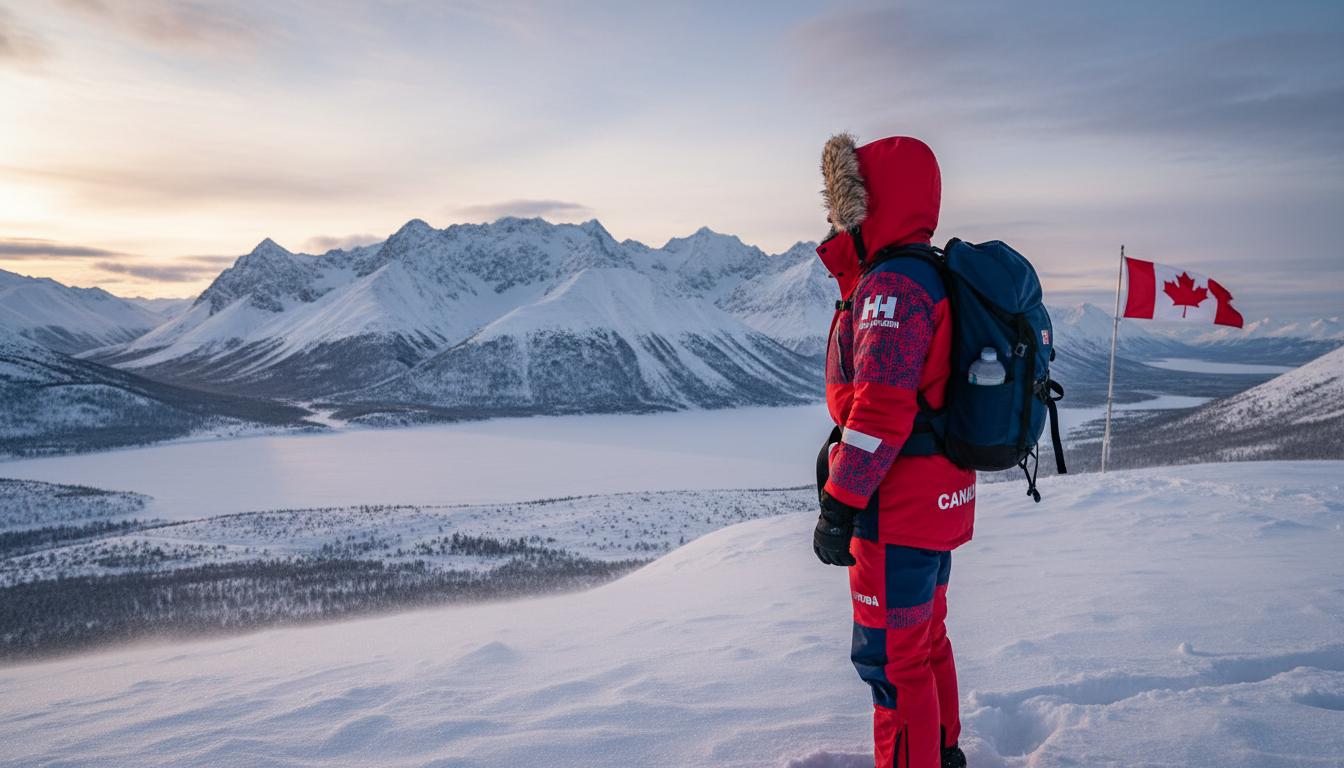
Canadian weather doesn’t tiptoe around. It dumps rain in Vancouver for weeks, slams Winnipeg with -30°C windchill, turns Montreal sidewalks into a hockey rink, and then asks you to go skiing on the weekend. That’s why so many Canadians gravitate to Helly Hansen—reliable outerwear and workwear built for professionals who can’t call in a “too cold” day. But what exactly makes Helly Hansen tick in Canada? Which jackets or boots make sense for your city, job, or sport? How do you size it, clean it, and make it last? This guide breaks it all down with practical, Canadian-specific advice so you can buy once and buy right.
Below, you’ll find a deep dive into Helly Hansen Canada: how their fabrics work, what to wear in different provinces and territories, gear advice for skiing, sailing, fishing, commuting and construction, plus fit, pricing, care, sustainability, and consumer protection tips that matter here. Whether you shop online, in-store, or through an authorized retailer, you’ll walk away knowing exactly what to look for—and what to avoid.
Why Helly Hansen matters in Canada
Helly Hansen started in Norway in 1877, born of wet, cold, demanding seas. That heritage translates well to Canada, where weather swings hard and fast. The brand’s calling card is technical outerwear and workwear designed for people who actually use it—fishermen, ski patrollers, mountain guides, deckhands, electricians, municipal crews. That professional backbone is one reason their consumer jackets and boots tend to feel overbuilt in the best way.
In Canada, you’ll see Helly Hansen on Whistler chairlifts, Atlantic fishing piers, Toronto bike lanes in February, and highway construction zones in January. The draw isn’t hype. It’s function: strong waterproof membranes, smart venting, dependable high-visibility workwear, and layering that makes erratic weather manageable. For a country that spans rainforest to tundra, that’s not a luxury; it’s a baseline.
Another reason the brand resonates here: Helly Hansen Canada supports a wide distribution network. You can find their gear in brand stores and authorized retailers across major cities, local ski and marine shops, and reputable Canadian e-commerce sites. That means easier warranty help, Canadian tax receipts, no cross-border surprises, and better access to the specific models Canadians actually need—waterproof shells, insulated parkas, fishing bibs, CSA-friendly high-visibility shells, and robust winter boots.
Decoding Helly Hansen technology (without the jargon)
You don’t need to memorize membrane chemistry to choose a jacket. But knowing the broad strokes behind Helly Hansen’s fabric and insulation tech will help you match gear to your weather and activity level. Here are the big building blocks you’ll see in Helly Hansen Canada product pages and tags.
Helly Tech: their waterproof-breathable backbone
Helly Tech is the brand’s waterproof, windproof, and breathable system—a combination of a membrane or coating, face fabric, and seam sealing. It comes in three main tiers that loosely map to use case and storm intensity. The names show up everywhere from rain shells to ski jackets.
| Helly Tech tier | Typical use in Canada | Features to expect |
|---|---|---|
| Protection | Daily rainwear, urban commuting, light hiking, shoulder seasons | Dependable waterproofing, good breathability, often 2-layer construction, full seam taping |
| Performance | Backcountry days, resort skiing, windy, wet, or colder conditions | Higher waterproofing and breathability, more durable fabrics, advanced venting options |
| Professional | Multi-day storms, maritime work, ski patrol-grade, heavy exposure | Top-end weather protection, hard-wearing fabrics, technical features tailored to long hours outdoors |
Quick reality check: waterproof “ratings” are just one part of comfort. How a jacket handles sweat (breathability), wind, and fit will make or break a long day in Canadian slop. For biking through Toronto sleet or standing on a windy Halifax pier, venting, hood shape, cuffs, and hem cinches matter as much as the membrane.
Lifa base layers: the engine room of warmth
Helly Hansen’s Lifa is a hydrophobic fiber designed to wick sweat fast and stay dry next to skin. The logic is simple: a wet base layer turns you cold, even in a great jacket. Lifa moves moisture off your skin so the rest of your layers can do their job. You’ll see different spins:
- Lifa (100%): ultralight, fast-wicking, best for high-output cold-weather activities.
- Lifa Merino: a blend that puts Lifa against the skin with merino wool facing out for insulation and odour resistance. Excellent for Prairie deep freezes or cold chairlift days.
- Lifa Max: a thicker, warmer knit that still wicks well, ideal for low to moderate activity in cold temps.
If you run hot shovelling a Montreal driveway or skinning uphill in the Rockies, a pure Lifa top shines. If you tend to stand around watching a kid’s game at -15°C, Lifa Merino lands in the sweet spot—warm without feeling swampy.
Lifaloft insulation and friends: warmth without weight
Insulation comes in two broad families: down and synthetic. Helly Hansen uses both, plus its proprietary Lifaloft synthetic insulation co-developed with PrimaLoft. Lifaloft traps more air with less bulk and resists moisture better than down—meaning it still insulates when damp. In Canadian terms, that’s clutch during wet snow in coastal B.C. or mid-thaw slush in Southern Ontario.
Down still wins for pure warmth-to-weight in clear, dry cold, but Canadian winters rarely stay dry. Many Helly Hansen ski jackets mix a waterproof Helly Tech shell with Lifaloft insulation to hit that “active warm” sweet spot, while backcountry athletes often pair a breathable shell with a separate high-loft midlayer to dial warmth up or down.
Lifa Infinity Pro: durable waterproofing without chemical DWR
This is Helly Hansen’s move toward more sustainable waterproofing. Lifa Infinity Pro uses the water-repellent properties of the Lifa fibers themselves rather than relying on a traditional chemical durable water repellent (DWR). Because DWR coatings wear off with time and washing, a fiber-based water repellency is a big deal for maintenance and environmental impact. If you live on the rainy West Coast of Canada, fabric that beads water without constant reproofing is a practical upgrade.
Other design features that actually matter in Canada
- Fully taped seams: essential for true waterproofing in Pacific rain or lake-effect snow.
- Articulated sleeves and knees: cuts pulling and bunching when you’re shovelling, skiing, or climbing ladders on site.
- Vents: pit zips or chest vents are worth their weight in gold during snow squalls that turn sunny 30 minutes later.
- RECCO reflectors: passive rescue reflectors built into many ski jackets and pants. Good extra safety tool at resorts; not a replacement for a transceiver in the backcountry.
- Helmet-compatible hoods: a must for skiing and sailing; also nice in blowing sleet if you wear a bike or work helmet.
How to choose Helly Hansen gear for your Canadian region
Canada is too big for one-size-fits-all advice. The best Helly Hansen jacket in Vancouver is not the best for Winnipeg. Use this region-by-region breakdown to narrow your options.
Coastal British Columbia: living with rain
Vancouver, Victoria, and the North Shore often get long, soaking rains with mild temperatures. Overheating is the enemy. You want a waterproof-breathable shell with excellent venting—Helly Tech Protection or Performance is perfect—paired with a light insulating midlayer you can add or remove. Look for:
- 2.5- or 3-layer shells with pit zips and a well-shaped hood that actually turns with your head.
- Drop-tail hems and cuffs that seal without strangling your wrists.
- Urban-ready rain shells that don’t swish loudly on transit or look out of place at work.
In winter, swap in a thin Lifaloft midlayer or Lifa Merino base layer to take the edge off damp cold. If you hike the North Shore or hit Whistler in storm cycles, step up to Helly Tech Performance with room for layers and reliable powder skirts.
Prairies: brutal cold, biting wind
Alberta, Saskatchewan, and Manitoba deliver serious cold snaps and windchill. Breathability still helps when you’re moving, but windproofing and insulation matter more. You’ll likely want:
- An insulated parka or a shell plus serious midlayer (Lifaloft or a puffy) for the deep freeze.
- Lifa Merino or Lifa Max base layers for warmth without damp cling.
- Wind-blocking cuffs, insulated hoods, and storm flaps over zippers to stop wind leaks.
Chinooks around Calgary complicate things—one week it’s -25°C, the next it’s slushy. A modular system (base + mid + shell) gives you options, so you’re not stuck sweating in a furnace of a parka on a thaw day.
Ontario and Quebec: freeze–thaw chaos
Toronto, Ottawa, and Montreal spend winter toggling between snow, ice pellets, and cold rain. The right Helly Hansen jacket for this region is typically a waterproof, seam-taped shell with insulation that’s warm enough for -10°C but not so hot you roast at 0°C slush. Features to prioritize:
- Helly Tech Performance shells with removable or light synthetic insulation for versatility.
- Good collar and chin guard to block icy gusts on bridges and river paths.
- Grippy outsole patterns on winter boots for black ice on sidewalks and metro stairs.
Commuters who stand at streetcar stops will appreciate Lifaloft-insulated parkas with clean lines; skiers heading to Tremblant will want a waterproof-breathable ski shell with vents and a midlayer that packs small in a lift pack.
Atlantic Canada: salt spray, wind, and sideways rain
Halifax, St. John’s, and coastal communities deal with strong winds, wet snow, and salt. If you sail, fish, or work on docks, a Helly Tech Professional shell or a marine-specific waterproof set with sturdy zippers, storm flaps, and a bright hood keeps you dry and visible. For shore life and city wear, a durable Helly Tech trench or insulated parka with solid cuff closures and a wired-brim hood pays dividends when the weather turns ugly fast.
North: Yukon, NWT, Nunavut—no half measures
For deep-cold environments, layer like a pro. Start with Lifa Merino, add a high-loft insulating midlayer, and cap it with a windproof, waterproof shell. In extreme cold, down or high-loft synthetic parkas excel for static exposure, but remember: if you start moving hard (chopping wood, snowshoeing uphill), you’ll need to vent quickly. Consider:
- Jackets with big, easy-to-use zippers and toggles you can grab with mitts.
- Room for thick layers without binding (size up if between sizes).
- Face coverage: tall collars, adjustable hoods, and compatible balaclavas.
Activity-specific recommendations: getting the details right
Knowing your main activity helps you pick the right level of waterproofing, insulation, and durability. Here’s how Helly Hansen Canada gear stacks up for typical Canadian pursuits.
Skiing and snowboarding: resorts and sidecountry
For resort days in Whistler, Banff/Lake Louise, or Mont Tremblant, the sweet spot is a Helly Tech Performance ski jacket with targeted synthetic insulation or a shell-plus-midlayer combo. Key features to look for:
- Powder skirt and wrist gaiters to keep snow out on deep days.
- Pit zips or chest vents to dump heat on spring laps or long traverses.
- Hood that fits over a helmet and moves without blind spots.
- RECCO reflector as an extra layer of visibility for resort-based rescue.
Heading beyond the ropes? Get avalanche training (AST 1 from Avalanche Canada is a strong start), carry a beacon, probe, and shovel, and dress in a breathable shell with fast-drying base layers. A separate puffy midlayer that lives in your pack is more flexible than a heavily insulated jacket when you’re skinning uphill one minute and standing in the wind the next.
Hiking and backcountry travel
Across the Rockies, Coast Mountains, and Laurentians, weather swings are common. A light Helly Tech shell that breathes well, combined with a Lifa base and a compact synthetic midlayer, handles most conditions. Long pit zips are non-negotiable if you sweat easily. In shoulder seasons, waterproof pants can be the difference between finishing a trail or bailing early when rain hits and temperatures drop.
Sailing and paddling: Great Lakes to the coasts
Marine environments punish gear. If you sail the Great Lakes or coastal waters, go with marine-focused shells and bibs built on Helly Tech Professional or high-spec Helly Tech Performance. Features to prioritize:
- High, fleece-lined collar and storm hood with reflective hits.
- Double storm flaps and drainage on pockets and cuffs.
- Durable seat and knee reinforcements, especially on big-boat duty.
Legal note for Canada: personal flotation devices (PFDs) or lifejackets onboard must be Transport Canada–approved and correctly sized for each person. Some European-market buoyancy aids look similar to PFDs but aren’t approved here. If you’re shopping for flotation, double-check the Transport Canada approval on the label; don’t assume a stylish “marine vest” covers you legally.
Fishing and coastal work
Commercial fishers and dock workers lean on durable, waterproof jackets and bibs that can take abrasion, fish oil, and salt. Look for heavy-duty Helly Tech with reinforced panels, simple closures that work with gloves, and bright, high-visibility colours. Synthetic insulation and fast-drying base layers help during long days when weather flips from spray to sleet.
Urban commuting and cycling in winter
For cities like Toronto, Ottawa, and Montreal, choose a waterproof-breathable shell with clean lines and a hood that plays well with a helmet or toque. Synthetic insulation or a removable liner is best for freeze–thaw cycles. Winter boots should prioritize grippy rubber compounds and lug patterns that clear slush. Reflective elements are worth it for low-light commutes. If you sweat easily, keep a spare Lifa top at work; changing base layers after a hard ride home keeps you warmer than simply adding a thicker jacket.
Helly Hansen Workwear in Canada: safety, standards, and smart choices
Helly Hansen Workwear is popular on Canadian job sites because it blends weather protection with features that make a 12-hour shift tolerable: mobility, durable fabrics, and pockets where you need them. But on top of comfort, you need compliance—especially for high-visibility and arc-flash hazards.
High-visibility gear: know your CSA Z96 class
In Canada, high-visibility safety apparel is guided by CSA Z96. Employers and workers should select the right class based on risk and visibility needs:
| CSA Z96 class | Typical use | Key features |
|---|---|---|
| Class 1 | Low-risk environments, slow-moving equipment | Lower coverage of retroreflective and background material |
| Class 2 | Roadside work, higher traffic speeds, daylight visibility | More background fluorescent material and retroreflective striping |
| Class 3 | High-risk sites, night work, poor weather, faster traffic | Maximum coverage and visibility (often long-sleeve or bib + jacket combos) |
When you browse Helly Hansen Workwear Canada, check the product page or inside label for explicit CSA Z96 compliance, the class rating, and the striping pattern. Some gear also adds FR (flame-resistant) properties or winter insulation; make sure the combined garment still meets the required class once you layer up.
FR and arc-flash considerations: don’t mix and match blindly
For electrical or flash-fire hazards, compliance is a package deal: base layers, midlayers, and outerwear should all meet the relevant standards and be compatible. In Canada, arc-flash protection is addressed in CSA Z462 (which references arc-rated clothing standards), while flash-fire garments often reference NFPA 2112. Many FR garments also cite ASTM F1506 for arc resistance. Always verify:
- The arc rating (ATPV or EBT) of garments used for electrical work.
- FR base layers are “inherent” or otherwise rated so they won’t melt or drip under exposure.
- Outer shells retain FR properties and visibility requirements together.
Helly Hansen offers FR base layers and outerwear in its workwear line. Specifications vary by model, so read the technical sheet closely and match requirements from your safety manager or provincial OHS regulations. If in doubt, consult a safety professional before purchase.
Work boots: understand CSA symbols and site requirements
For Canadian job sites, you’ll typically be asked for CSA-compliant footwear. The most common symbols you’ll encounter are:
- Green triangle: Grade 1 protective toe with puncture-resistant sole—standard for construction and general trades.
- Electric-shock resistance (often indicated by an orange “Omega” symbol): required in many electrical environments; check site rules.
Helly Hansen produces work boots with protective toecaps and slip-resistant outsoles. Verify the exact CSA Z195 compliance and symbols on the product listing and tongue label. For winter, choose insulated, waterproof boots with a tread pattern that bites into snow and evacuates slush. Add removable insoles so you can dry them properly between shifts.
Procurement and employer obligations
Provincial and territorial OHS regulations require employers to assess hazards and provide appropriate PPE. That translates to purchasing gear that actually meets the standards on paper and in practice. Keep a record of the model numbers, CSA classes, and arc ratings in case of audits or incident investigations. For employees buying their own gear, talk to your employer about reimbursement or approved models. For the self-employed, PPE is generally a deductible business expense—confirm specifics with a Canadian tax professional.
Fit and sizing: get it right the first time
Helly Hansen uses straightforward sizing, but the right choice depends on how you’ll layer. Many jackets are available in Regular, Relaxed, or Slim fits; workwear may run roomier to accommodate hoodies and tool belts. Tips that help Canadians nail sizing:
Measure and compare, don’t guess
Grab a soft tape. Measure chest, waist, hips, and sleeve from the centre-back of your neck to wrist. Compare to the Helly Hansen size chart on the Canadian product page. If you’re between sizes and want to wear a mid-puffy underneath, size up. If it’s a dedicated rain shell for shoulder season commuting, true-to-size in a Regular fit usually works.
Layering room makes or breaks comfort
A waterproof-breathable shell worn over a T-shirt will feel boxy. The same shell over a Lifa base and midlayer will feel just right. When you try on a jacket in-store, do it wearing a typical base layer and midlayer. Bend, reach, and squat. If the hem lifts above your lower back or the cuffs creep halfway up your forearms, go up one size or change fit.
Women’s, men’s, and juniors
Women’s-specific Helly Hansen jackets aren’t just scaled-down men’s pieces—they tend to have different hip and shoulder shaping. If you’re tall or prefer a longer hem for biking, check the back length on the product page; many styles note centre-back length in centimetres. For juniors, buy to current size for safety and mobility, not “room to grow” that swallows their hands. In cold weather, better layering beats an oversized coat every time.
Prices, sale timing, and where to buy Helly Hansen in Canada
Gear budgets vary, so here’s a realistic look at Canadian price ranges and smart shopping tactics—without playing the “maybe it’ll be half off” lottery.
Typical price ranges in CAD (approximate)
- Waterproof rain shells: $180–$400 for Helly Tech Protection; $300–$600+ for Performance or marine-grade shells.
- Insulated winter/ski jackets: $300–$700+, depending on insulation and features.
- Ski pants and bibs: $220–$500+.
- Midlayers (fleece, Lifaloft): $120–$300.
- Base layers (Lifa, Lifa Merino): $50–$140 per piece.
- Workwear jackets and rain bibs: $130–$350+ (more for specialized FR or high-visibility systems).
- Work boots and winter boots: $150–$350+.
These are ballpark figures. Limited editions, pro-level marine kits, or insulated parkas can land higher; outlet and end-of-season sales can pull them lower.
When to buy: timing your purchase
- Late fall: core winter lines roll in; best selection, fewer discounts.
- Boxing Week and January: solid clearance on last season’s colours and select models.
- Late winter/early spring: ski gear and insulated pieces often see deeper markdowns.
- Late summer: rainwear and shoulder-season shells sometimes get promoted ahead of fall.
If your size is common, strike when you find the model you want at a good price; popular sizes vanish first. If you’re an uncommon size, you may score strong end-of-season deals—but options get thin.
Where to buy Helly Hansen Canada (and avoid counterfeits)
Buy from Helly Hansen Canada’s official site, brand stores, or authorized Canadian retailers. Reputable options include national outdoor and sporting chains, local specialty ski and marine shops, and established Canadian e-commerce retailers. Availability varies by region, so check the Helly Hansen store locator for current listings near you. Be cautious with third-party marketplaces; counterfeits exist. Red flags include oddly low prices, inconsistent sizing labels, and missing care tags. When in doubt, ask Helly Hansen Canada support to verify an authorized seller.
Taxes and cross-border gotchas
Within Canada, expect applicable GST/HST or GST+PST depending on your province or territory. As a refresher: Alberta and the territories charge GST (5%) only; B.C., Saskatchewan, Manitoba, and Quebec add provincial sales tax; Ontario and Atlantic provinces use HST. If you accidentally order from a non-Canadian site shipping cross-border, you may face duties, brokerage fees, and slow returns. Stick to “Helly Hansen Canada” channels to avoid surprises.
Care, repair, and making your gear last
Technical gear ages like any tool: care it poorly and it quits early; maintain it and it works for years. Here’s how to keep Helly Hansen jackets, pants, and boots in top shape in Canadian conditions.
Washing waterproof shells properly
Dirt and body oils clog fabric pores and kill breathability. Wash your Helly Tech shell regularly—more often than you think if you commute daily or ski hard. Use a technical wash (or a mild liquid detergent), cold or warm water, and a gentle cycle. Rinse thoroughly. Avoid fabric softeners and bleach. Tumble-dry low or warm-perm press to help reactivate the water-repellent finish. If the jacket still wets out, apply a spray-on or wash-in reproofing product suitable for the fabric; follow the label. If you own a Lifa Infinity Pro piece, note that its fiber-based repellency minimizes the need for DWR refreshes, but washing to remove grime still helps performance.
Base layers and midlayers
Lifa and Lifa Merino wash best on gentle cycles; use wool-safe detergent for merino blends. Air-dry or low heat to preserve elasticity and shape. Hang-drying indoors in winter adds humidity to your home—an underrated comfort boost.
Repair instead of replace
Small shell puncture? Clean the area and apply a high-quality repair patch (inside and outside if you can reach). For seam tape peeling, you can spot-fix with specialized seam adhesive and new tape segments. Zippers and major rips usually need a pro. Many Canadian cities have gear repair shops that work on technical outerwear; ask your retailer for referrals or search locally. Robust repairs often cost far less than a new jacket and keep textiles out of landfill.
Boot care for winter longevity
Rinse salt off leather or synthetic uppers after slushy days. Dry boots at room temperature—never on direct heat, which can crack materials and ruin adhesives. Remove insoles to speed drying. If your work boots see daily salt and grit, a quick brush and wipe-down every few days will extend their life significantly.
Warranty and Canadian consumer rights
Helly Hansen offers warranties against manufacturing defects; the specifics vary by product category and region. For Helly Hansen Canada purchases, check the warranty policy on the Canadian site and keep your receipt. Remember, a warranty covers defects in materials or workmanship, not wear and tear or accidental damage.
Consumer laws add a safety net. Provinces and territories have sale-of-goods or consumer protection legislation that implies basic quality and fitness for purpose. Quebec’s legal warranty is especially robust, offering protections even beyond written warranties. If a product fails prematurely in normal use, reach out to the retailer first—Canadian stores are generally good at mediating with the brand. For online purchases, review the seller’s return window; “final sale” policies don’t override your rights regarding defective goods.
Sustainability and ethics: what Helly Hansen is doing—and what you can do
Outdoor gear needs to handle storms without creating new ones downstream. Helly Hansen has been increasing the use of responsible materials and chemistry, and there are steps you can take to extend gear life and lower impact too.
Materials and chemistry
Lifa Infinity Pro is a standout, delivering durable water repellency without traditional DWR chemicals on the face fabric. Many Helly Hansen products incorporate recycled content where appropriate, and down styles generally align with responsible sourcing standards (look for responsible down certifications on the specific garment’s tag). The brand also uses fabrics that carry third-party environmental or safety credentials on select models. Check product pages for details rather than assuming—certifications are garment-specific.
Repair, reproof, repeat
The greenest jacket is the one you already own. Clean it, reproof it, patch it, and keep it in circulation. If you move on to a new piece, donate or sell your used Helly Hansen gear; the Canadian secondhand market is strong, and technical clothing holds value if well maintained.
Mono-material designs and recyclability
Helly Hansen has explored mono-material construction in some pieces to make future recycling easier. While textile recycling infrastructure is still emerging in Canada, buying gear designed with end-of-life in mind helps nudge the system in the right direction. For now, your main levers are buying durable items, caring for them, and choosing PFC-free waterproofing where possible.
Common mistakes Canadians make when buying Helly Hansen (and easy fixes)
No one sets out to buy the wrong jacket, but a few patterns pop up again and again. Avoid these and you’ll save money and frustration.
- Buying too much insulation: A parka that’s perfect for -25°C will cook you at -2°C and sleet. Pick modular layering unless you live in the deep cold all winter.
- Ignoring breathability: In wet snow or mixed weather, a fully waterproof but poorly vented jacket leaves you clammy. Prioritize venting and fit.
- Choosing the wrong size for layering: If you plan to add a puffy, test the jacket with it. Tight shoulders kill mobility and make you cold.
- Assuming all hi-vis is equal: Check CSA Z96 class and striping. Winter shells can cover your vest and negate visibility.
- Assuming marine buoyancy aids are legal PFDs: In Canada, Transport Canada approval is required. Check the label, not just the brand.
- Skipping care: Dirty membranes don’t breathe. Wash shells regularly, reactivate repellency, and your gear will feel “new” again.
- Buying from sketchy marketplaces: Counterfeits fail when it counts. Stick to Helly Hansen Canada and authorized sellers.
Sample kits for real Canadian scenarios
Not sure how to put a system together? Here are practical, mix-and-match kits using common Helly Hansen Canada options and layering logic. Treat these as templates and tune for your climate and metabolism.
Vancouver commuter, October–March
- Shell: Lightweight Helly Tech rain jacket (Protection or Performance) with pit zips.
- Midlayer: Thin synthetic or fleece zip-up that can live in your bag.
- Base: Lifa top for damp mornings; switch to a T-shirt on milder days.
- Bottom: Waterproof pants for storm days; everyday quick-dry trousers otherwise.
- Footwear: Waterproof shoes or boots with decent tread; keep an extra pair of socks at work.
Why it works: You’ll stay dry without stewing, and you can scale warmth by swapping base layers.
Winnipeg dog-walking at -25°C windchill
- Base: Lifa Merino top and bottom.
- Midlayer: High-loft synthetic jacket.
- Shell: Windproof, waterproof parka or shell with an insulated hood.
- Accessories: Warm mitts, face covering, microfleece beanie under the hood.
- Footwear: Insulated winter boots with aggressive tread; add warm insoles.
Why it works: Moisture moves off your skin while insulation traps heat. Windproofing keeps that warmth from blowing away.
Whistler weekend—storm skiing
- Base: Lifa top and bottom (save merino for very cold days).
- Midlayer: Lightweight synthetic puffy in the pack for chairlift chills.
- Shell: Helly Tech Performance ski jacket and pants with pit/leg zips and powder skirt.
- Safety: RECCO reflector is a bonus, but avalanche gear and training are mandatory beyond resort boundaries.
Why it works: You can dump heat on traverses and boost warmth for the lift without soaking inside your jacket.
Halifax sailor—shoulder-season day on the water
- Shell: Marine-grade Helly Tech jacket with high collar, storm hood, and reflective accents.
- Bottom: Waterproof bibs with reinforced seat/knees.
- Base: Lifa or Lifa Merino depending on temperature.
- Midlayer: Compact synthetic jacket—easy on/off between shifts on deck.
- Safety: Transport Canada–approved PFD or lifejacket in the correct size.
Why it works: Salt spray plus wind equals fast heat loss. Marine features and layering fight the chill without bulk.
Construction worker—January highways job, Ontario
- Outer: CSA Z96 Class 3 compliant, insulated hi-vis parka (or shell + insulated liner) sized for mobility.
- Base: FR-rated base layers if required by site hazards; otherwise Lifa Merino for warmth.
- Pants: Insulated or lined work pants with room for thermal layers.
- Boots: CSA Z195 Green Triangle with winter insulation and electric-shock resistance if specified.
- Add-ons: Hi-vis toque or helmet cover, glove system with liners, and a backup midlayer in the truck.
Why it works: Visibility, compliance, and warmth without losing range of motion. The modular approach adapts to changing shifts and weather.
Helly Hansen Canada vs. other brands: who should pick what?
Comparisons help. If you live on wet coasts or bet on gear that works for both weekends and work sites, Helly Hansen is a strong fit. The brand’s balance of waterproofing, ventilation, and durability has obvious value on Canada’s stormier days. If you want the absolute lightest and most minimalist alpine shell, you might look at specialist mountaineering brands. If you need expedition-weight parkas for standing still at -40°C, you’ll compare with heritage arctic brands. Many Canadians mix and match: Helly Hansen for rain, ski, and workwear; another label for ultralight niche pieces or extreme static-cold parkas.
Final buying checklist for Helly Hansen in Canada
- Match the Helly Tech tier to your weather and activity level.
- Plan layers: Lifa next to skin, then a midlayer, then a shell—tune to your climate.
- Check features you’ll actually use: vents, hood shape, cuffs, powder skirt, pocket layout.
- For workwear, confirm CSA Z96 class, arc ratings, and CSA Z195 footwear symbols.
- Try it on with layers. Move. Bend. Zip. Adjust the hood. Do a squat test.
- Buy from Helly Hansen Canada or authorized sellers. Keep the receipt for warranty.
- Wash and maintain. Reproof when water stops beading. Repair small issues early.
Done right, your setup will carry you from rain to whiteout to thaw—and back again—without missing a beat.
FAQ: Helly Hansen Canada
Is Helly Hansen worth it for Canadian winters?
Yes—if you choose the right model for your climate. In slushy, mixed-weather provinces, a Helly Tech insulated jacket or shell-plus-midlayer is ideal. In the Prairies and the North, step up to warmer insulation and windproof designs. The brand’s balance of weather protection and ventilation fits Canada’s unpredictable winters well.
What’s the difference between Helly Tech Protection, Performance, and Professional?
Protection is everyday waterproofing for commuting and light activity. Performance is a step up for skiing, serious hiking, and persistent bad weather. Professional targets harsh conditions and long outdoor hours—think maritime work or pro mountain use. As conditions worsen or activity demands rise, move up the ladder.
How do I pick the right size for layering?
Measure chest, waist, hips, and sleeve, then compare to the Helly Hansen size chart. If you’ll wear a puffy midlayer, consider sizing up or choosing a Regular/Relaxed fit. Try it on with your typical base and midlayers, and check mobility by reaching forward and overhead.
Are Helly Hansen ski jackets warm enough for -30°C?
Some are, especially when combined with solid base and midlayers, but no universal temperature rating applies. For -30°C plus wind, consider a modular system: Lifa Merino base, warm midlayer, and a windproof, waterproof shell. For static exposure in extreme cold, a heavyweight parka may be more comfortable than a ski-specific jacket.
Does Helly Hansen Canada offer a warranty?
Helly Hansen provides a warranty against manufacturing defects. Terms vary by category and region, so check the Helly Hansen Canada warranty page and keep your proof of purchase. Wear and tear or accidental damage typically isn’t covered, but many issues can be repaired by a professional.
How should I wash a Helly Tech jacket?
Use a technical wash or mild liquid detergent, gentle cycle, and cold or warm water. No fabric softener or bleach. Tumble-dry low to help reactivate water repellency. If water stops beading, apply a compatible DWR reproofing. For Lifa Infinity Pro garments, washing restores performance without frequent DWR treatments.
Is Helly Hansen Workwear compliant with Canadian hi-vis standards?
Many Helly Hansen Workwear hi-vis garments meet CSA Z96, but always verify the exact class and configuration on the product page or label. If your site requires FR or arc-rated visibility gear, check both the visibility and FR/arc ratings together before purchase.
Are Helly Hansen lifejackets Transport Canada–approved?
Only if the label explicitly states Transport Canada approval. Some marine vests sold internationally meet different standards that don’t satisfy Canadian regulations. If you need onboard flotation in Canada, look for Transport Canada–approved PFDs or lifejackets sized to each person.
Where can I buy authentic Helly Hansen in Canada?
Through Helly Hansen Canada’s official site, brand stores, and authorized Canadian retailers, including established outdoor and sporting shops and reputable Canadian e-commerce sites. Use the brand’s store locator to confirm authorized sellers. Be wary of prices that seem too good to be true on third-party marketplaces.
Do Helly Hansen boots work on icy sidewalks?
Many Helly Hansen winter and work boots use grippy rubber compounds and aggressive lugs that help on packed snow and slush. Ice remains tricky for any boot; consider traction aids for true glare ice. Look for winterized outsoles and insulation matched to your local temperatures.
What taxes apply when I buy Helly Hansen in Canada?
Expect GST/HST or GST+PST depending on your province or territory. Alberta and the territories charge GST only; Ontario and Atlantic provinces use HST; B.C., Saskatchewan, Manitoba, and Quebec add provincial sales taxes. Buying domestically avoids cross-border duties and brokerage fees.
How do I make my Helly Hansen jacket last longer?
Wash it regularly, avoid fabric softeners, reproof when water stops beading, store it dry and uncompressed, and fix small issues early. Patching, seam re-taping, and zipper repairs by a pro can add years of life. Treat boots similarly: clean off salt, dry slowly, and replace insoles when they pack out.